
Lawn Fertilization in Wisconsin and Minnesota: A Season-by-Season Guide for Homeowners

Everyone wants a thick, green lawn, but achieving those results in the St. Croix River Valley can feel like a moving target. Despite multiple fertilizer applications, you may see yellowing grass, persistent weeds, or thin growth after a winter freeze and think its time to try another product. However, the problem is rarely just the type of fertilizer you’re using; it usually comes down to timing or a soil condition working against your efforts.
Lawn fertilization in Western Wisconsin is a unique challenge. National guides often ignore our specific clay soils and the state laws governing applications. Following a generic schedule often leads to wasted money and environmental runoff rather than a healthy yard.
Whether you’re considering a professional lawn fertilization service or refining a DIY plan, success requires a strategy built for the St. Croix River Valley. By aligning lawn fertilization services with our local biological windows, you ensure your turf gets exactly what it needs to thrive.
This guide covers the essential timing, product selection, and regulations you need to know to achieve professional results this season. For a more detail on regional lawn care read our blog on lawn care services for homeowners in Western Wisconsin and Eastern Minnesota.
Why Wisconsin and Minnesota Lawns Need a Different Fertilization Schedule

Most general lawn care guides are written for a national audience, which means they’re calibrated for a climate that simply doesn’t exist in the St. Croix River Valley. Following a generic schedule often leads to poor results because our local growing season operates on a very specific biological clock.
The Spring Soil Temperature Threshold
When national guides suggest applying your first fertilizer treatment in “early spring,” they fail to account for the fact that soil temperatures in St. Croix County typically don’t reach 55°F until late April at the earliest. This temperature is the critical threshold at which cool-season turfgrass roots can meaningfully absorb nitrogen.
Knowing when to fertilize lawn in Wisconsin is the primary factor that separates a program that works from one that wastes money. Applying before that 55°F threshold isn’t just ineffective for your grass; it is also environmentally damaging. Granular fertilizer applied to cold or still-frozen ground cannot bind to the soil. Instead, it migrates with snowmelt and rain into the St. Croix River watershed, creating a runoff problem rather than a healthy lawn.
The Critical Fall Winterizer Window
While many homeowners focus heavily on the spring, the flip side of the seasonal calendar is even more important to understand. The single most critical fertilizer application of the year for Wisconsin lawns happens in late fall, not spring.
A September, October, or November “winterizer” treatment builds the root energy reserves that allow your turf to survive dormancy and green up strong the following year. Many homeowners skip this application because the lawn looks fine going into winter, but that instinct often costs them a healthy start the following spring. Ultimately, a properly designed lawn care service for a St. Croix River Valley lawn runs five to seven applications throughout the growing season—each timed to these specific biological windows rather than a calendar date from a warmer climate.
The Wisconsin Phosphorus Fertilizer Law: What Hudson Homeowners Must Know
There is a specific Wisconsin law that most homeowners have never heard of, yet it affects every fertilizer application made to an established lawn in the state. Wisconsin Act 204 prohibits the application of phosphorus-containing fertilizer to established turf unless a soil test confirms a documented deficiency. This isn’t merely a best practice; it is a legal requirement that applies to both homeowners and professional applicators in St. Croix County.
Why Phosphorus Restrictions Matter Locally
Understanding this law is crucial for your lawn care treatment decisions because most residential soils in Western Wisconsin are already phosphorus-rich. Decades of agricultural land use in our region have left phosphorus levels well above what any lawn actually needs. Adding more doesn’t help your grass grow; instead, it contributes to nutrient runoff and harmful algae blooms in local waterways.
Navigating Compliance and Product Selection
The complexity for DIYers often lies in product selection. Many “weed and feed” products sold at big-box stores contain phosphorus, making them potentially illegal to apply to established Wisconsin lawns without a verified soil test. Professional lawn fertilization services handle the testing, product selection, and legal compliance for you. This ensures your lawn receives the precise nutrients it requires while protecting the St. Croix River ecosystem.
A Month-by-Month Lawn Fertilization Calendar for the St. Croix River Valley
Your grass takes its cues from the environment, not the calendar. To get the best results in our region, you must align your applications with local growth cycles to ensure nutrients feed the roots, rather than fueling weeds or contributing to runoff.
What follows is a lawn fertilizer schedule built specifically for the growing conditions of the Hudson WI area. While property factors like shade and drainage will shift these windows, understanding when to fertilize lawn for Wisconsin properties is what separates long-term turf health from wasted product.
Late April
Once soil temperatures in St. Croix County climb to 55°F—typically during the final week of April—the first application of slow-release fertilizer lawn formulations is appropriate. Applying earlier is counterproductive, as the grass cannot yet efficiently absorb the nutrients.
May through June
A second application supports the rapid growth phase of spring. For homeowners enrolled in our seasonal lawn care packages, this is also when we integrate targeted weed control to stop broadleaf weeds before they establish in the summer heat
July
Midsummer fertilization requires a lighter hand due to heat stress. Over-fertilizing in July can burn turf, so we reduce nitrogen rates and choose between granular or liquid depending on the lawn’s immediate needs. Irrigation is critical here to prevent product from sitting on a dry surface.
August through September
Fall preparation begins with late August aeration. This ensures that when the fall fertilizer goes down, nutrients can penetrate deep into the root zone rather than sitting on compacted surface soil.
October through November
This is the ideal window for a “winterizer” application. This high-potassium treatment strengthens root reserves before dormancy, directly improving spring green-up for the following season.
A note on shaded properties: Lawns in the wooded neighborhoods of north Hudson and along the river bluffs receive less light and retain moisture longer than open yards. These properties often require adjusted timing and specialized product rates to avoid the fungal pressure that shaded, slow-drying turf attracts.
Ready to stop guessing at timing and product? Willow River Company designs seasonal lawn fertilization services tailored to the specific lawn care Hudson WI homeowners need. We factor in your soil type, grass variety, sun exposure, and drainage to ensure your yard thrives. Request a quote today, and we’ll have our team develop a program that fits your property perfectly.
Slow-Release vs. Quick-Release Fertilizer: Which Is Right for St. Croix County Soils
The fertilizer aisle at any hardware store contains both quick-release and slow-release options. While the packaging on quick-release products is often appealing because they promise and deliver fast results, a rapid green-up is not the same as healthy grass. In the clay-heavy soils common throughout St. Croix County, quick-release nitrogen creates two specific problems that far outweigh the early visual payoff.
The Hidden Costs of Quick-Release Nitrogen
Synthetic quick-release nitrogen carries a significant burn risk, especially when soil moisture drops and temperatures climb. In these conditions, the high concentration of soluble salts can dehydrate and kill the grass plants you’re attempting to nourish. Furthermore, because our local clay soils drain slowly, soluble nitrogen often sits in the soil profile too long or migrates downward before roots can absorb it. This leads to wasted product and increases the risk of nitrogen leaching into our groundwater.
The Slow-Release Advantage
A slow-release program feeds your grass gradually over several weeks, mimicking the natural pace at which turf actually consumes nutrients. This steady delivery significantly improves absorption in dense soil and minimizes the chance of fertilizer runoff, making it the responsible choice for properties near the St. Croix River corridor.
This scientific approach—prioritizing steady health over a quick chemical spike—is why lawn fertilization services built on slow-release granular fertilizer forms the foundation of every Willow River program. If you are curious about your lawn’s specific needs, the UW-Madison Extension School soil testing guide is a reliable starting point for establishing a baseline for your property.
Signs Your Lawn Needs Professional Fertilization (Not Just Another DIY Application)
There’s a point in most homeowners’ DIY lawn care journey where effort stops producing results. Recognizing that point early saves money and prevents the frustration of treating a symptom with fertilizer when the real problem is an underlying condition that nutrients alone can’t fix. Identifying the following signs can help you determine what your soil actually needs:
Persistent Yellowing and Soil Chemistry
Persistent yellowing despite multiple applications is rarely a fertilizer quantity problem; it’s usually a soil pH lawn care issue. In acidic soil, nutrients become chemically locked and unavailable to grass roots regardless of how much you apply. A soil test identifies this imbalance, which a lime application can then correct. Without addressing the pH first, additional fertilizer achieves nothing. The UW-Madison Extension School soil testing service offers lab analysis that provides an accurate picture of exactly what your soil is and isn’t doing.
Returning Weeds and Uneven Growth
Weeds that keep returning often indicate that the lawn isn’t dense or healthy enough to naturally block out competition. Similarly, an uneven spring green-up can point to inconsistent fertilizer application or varying soil conditions across the property, such as differences in drainage and organic matter.
Shade Stress and Grass Variety
Thin, sparse grass in shaded areas is often misread as a fertilization problem when it’s actually a grass variety issue. The turf species established in full-sun areas of your yard may not be suited for the conditions under a tree canopy. Fertilizing a grass variety that isn’t right for its growing environment simply will not fix the lack of density.
Moving Beyond the Hardware Store
When any of these patterns appear—and especially when more than one is present—what the lawn needs is professional lawn care services grounded in a proper assessment, not another product from the hardware store. grounded in a proper assessment, not another product from the hardware store.
A lawn fertilization service designed for St. Croix County conditions, using the right products at the right times, is how lawns in this region actually perform the way homeowners want them to. If you’d like to learn more about maintaining a healthier lawn throughout the year, check out our guide to Lawn Care Services in Hudson, WI and see how a professionally designed programme can improve the long term health and appearance of your property.
Bringing It All Together
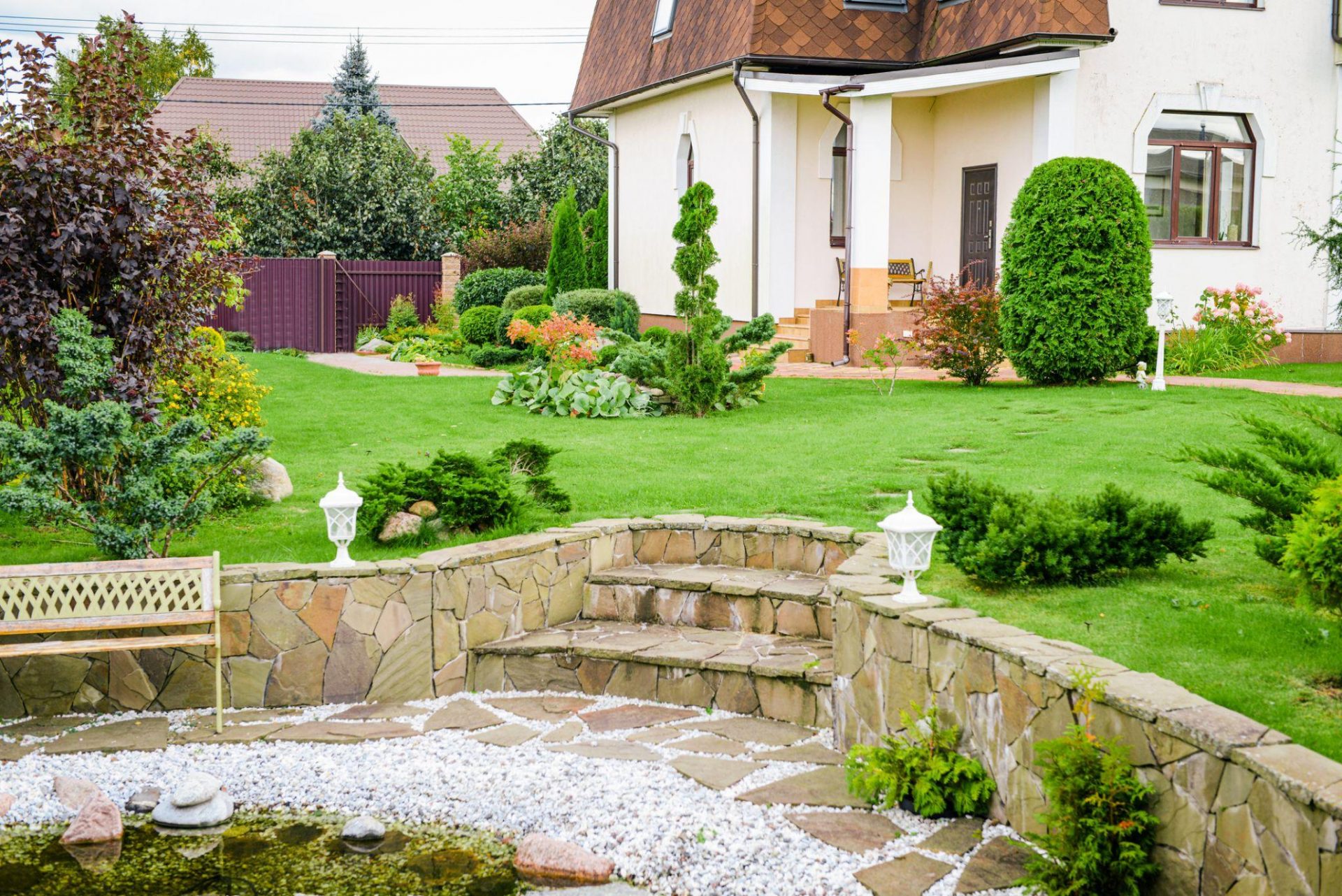
Maintaining a healthy lawn in Western Wisconsin requires more than just high-quality products; it requires an understanding of how proper timing, soil conditions, and seasonal treatments work together. When these elements are aligned, they support the thicker, healthier turf that homeowners in our region strive for throughout the year.
Since 1987, Willow River Company’s certified technicians have been providing the expert lawn fertilization services St. Croix County residents trust to navigate our unique climate and state regulations. We don’t believe in one-size-fits-all programs; instead, we build every plan around the specific biological needs of your property.
Ready to see the difference local expertise makes? Call us at (715) 382-9408 or request a quote so our team can get started on developing a seasonal lawn fertilization service plan designed specifically for your Hudson, WI lawn.
Summary
In the St. Croix River Valley, successful lawn fertilization depends on far more than routine applications. To achieve a healthy, resilient yard, your lawn fertilizer schedule must account for St. Croix River Valley soil conditions, seasonal timing, and local phosphorus regulations. By prioritizing proper nutrient balance and soil pH, homeowners can ensure every lawn care treatment supports stronger root growth, better color, and long-term turf health. Ultimately, the most reliable way to manage these complex variables is through a professionally tailored lawn fertilization service.
Tags: