
Lawn Care Services in Western Wisconsin and Eastern Minnesota: The Homeowner’s Guide to a Healthier Lawn
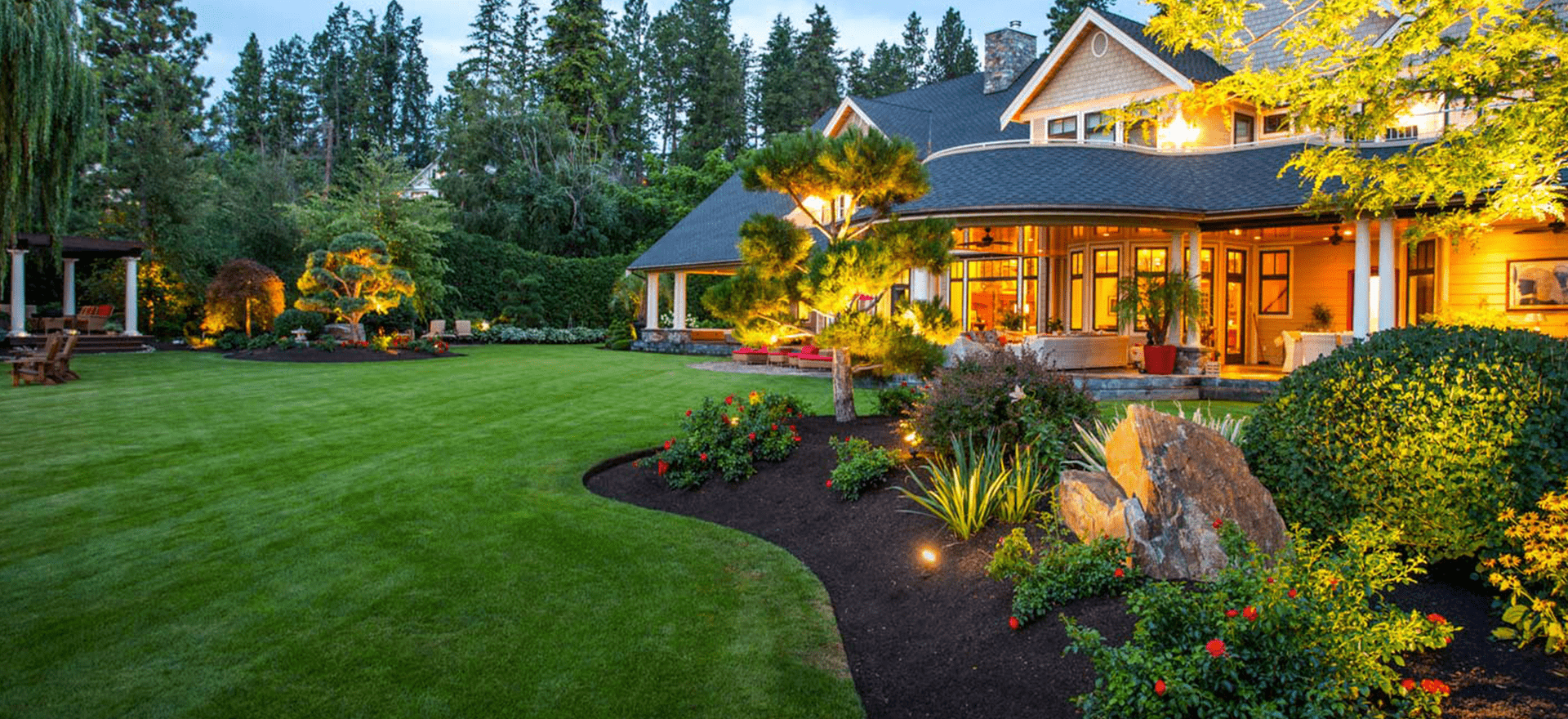
Most lawn care guides are written for the Pacific Northwest or the South; they won’t work for a homeowner in Hudson, WI dealing with clay-heavy soil, creeping Charlie from the St. Croix riverbank, and freeze-thaw heaving.
Advice that is not grounded in the practical challenges of our region leads to wasted weekends and “standard” fertilizers that fail because they don’t account for our local soil pH. Without a plan tailored to the specific conditions of Western Wisconsin and Eastern Minnesota, you’re left with thinned turf and frustration by the time June hits.
Willow River Company provides a local solution. We specialize in the lawn care services Hudson properties require to handle the specific challenges of the St. Croix River Valley, from narrow ‘green-up’ windows and heavy clay to the unique pest pressures of our river corridor. By building science-based programs for our specific hardiness zones, our team of certified professionals ensure your lawn has the nutrients and protection it needs to thrive year-round.
Whether you are looking to professionalize your yard maintenance or simply want to understand more about lawn care and maintenance in Western Wisconsin and Eastern Minnesota, this guide provides the expertise you need to create a green living space your family can enjoy all season long.
Why Lawns in the St. Croix River Valley Require a Different Approach Than Most Guides Suggest
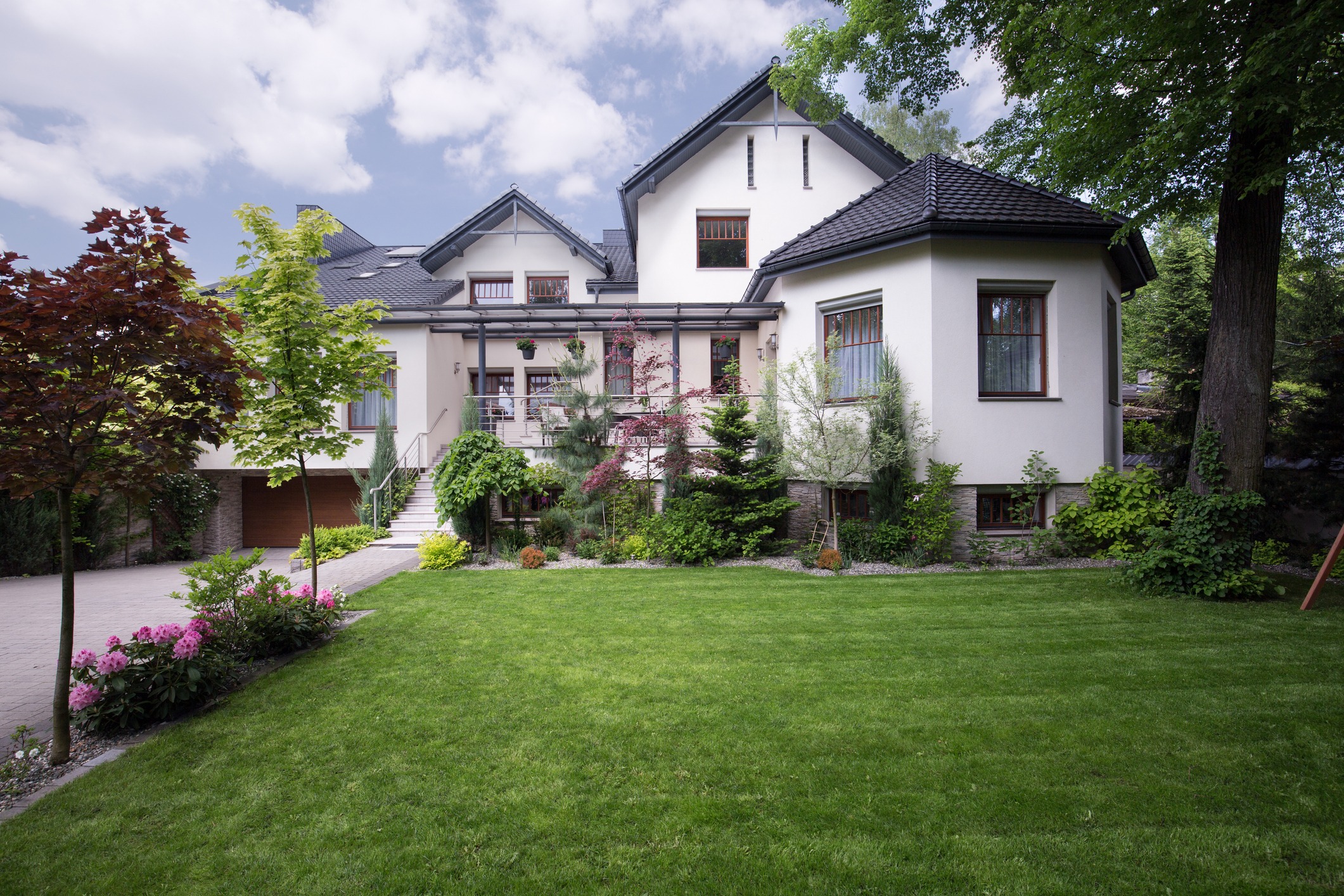
The St. Croix River Valley sits in USDA hardiness zones 4b to 5a, which defines a spring “green-up” window that is narrower, later, and more unforgiving than what you’ll find in national lawn care guides. Because most generic advice assumes a milder climate, effective turf management in Western Wisconsin must instead start with an understanding of what is actually in the ground.
Much of St. Croix County sits on clay-heavy, glacially derived subsoil that is dense, slow-draining, and prone to compaction. This is a critical distinction because it is fundamentally different from the sandy loam soils common just across the river in the Twin Cities metro. While those lighter soils drain quickly, a clay-dominant lawn in Hudson or New Richmond retains moisture differently and compacts faster underfoot. This contrast is why overwatering and compaction are the two most common issues our technicians encounter when visiting a new client property for the first time.
Consistent lawn maintenance that St. Croix River Valley residents can depend on must also account for seasonal damage patterns, and the 2026 growing season begins with the added challenge of an extended, hard winter. Lawns across Hudson, New Richmond, and River Falls are currently carrying damage like frost heave, soil contraction patches, and turf thinned by ice cover. This damage does not self-correct; it only compounds if the spring program isn’t adjusted to account for it.
Beyond the weather, there is also the common issue of “warm-season grass confusion.” Many homeowners inadvertently follow advice or buy seed blends intended for Zone 6 or 7 climates, choosing varieties that simply cannot overwinter in Western Wisconsin or Eastern Minnesota. Utilizing the right cool-season grass blend makes a significant difference in how a lawn responds to treatment, as discussed in our aeration section below.
Ultimately, providing lawn care services that Hudson homeowners trust requires certified professionals who are experienced in our specific environment. We approach every property differently than a national service or a generic DIY guide would—and that local difference is exactly what this guide is about.
What Professional Lawn Care Services in Hudson Include
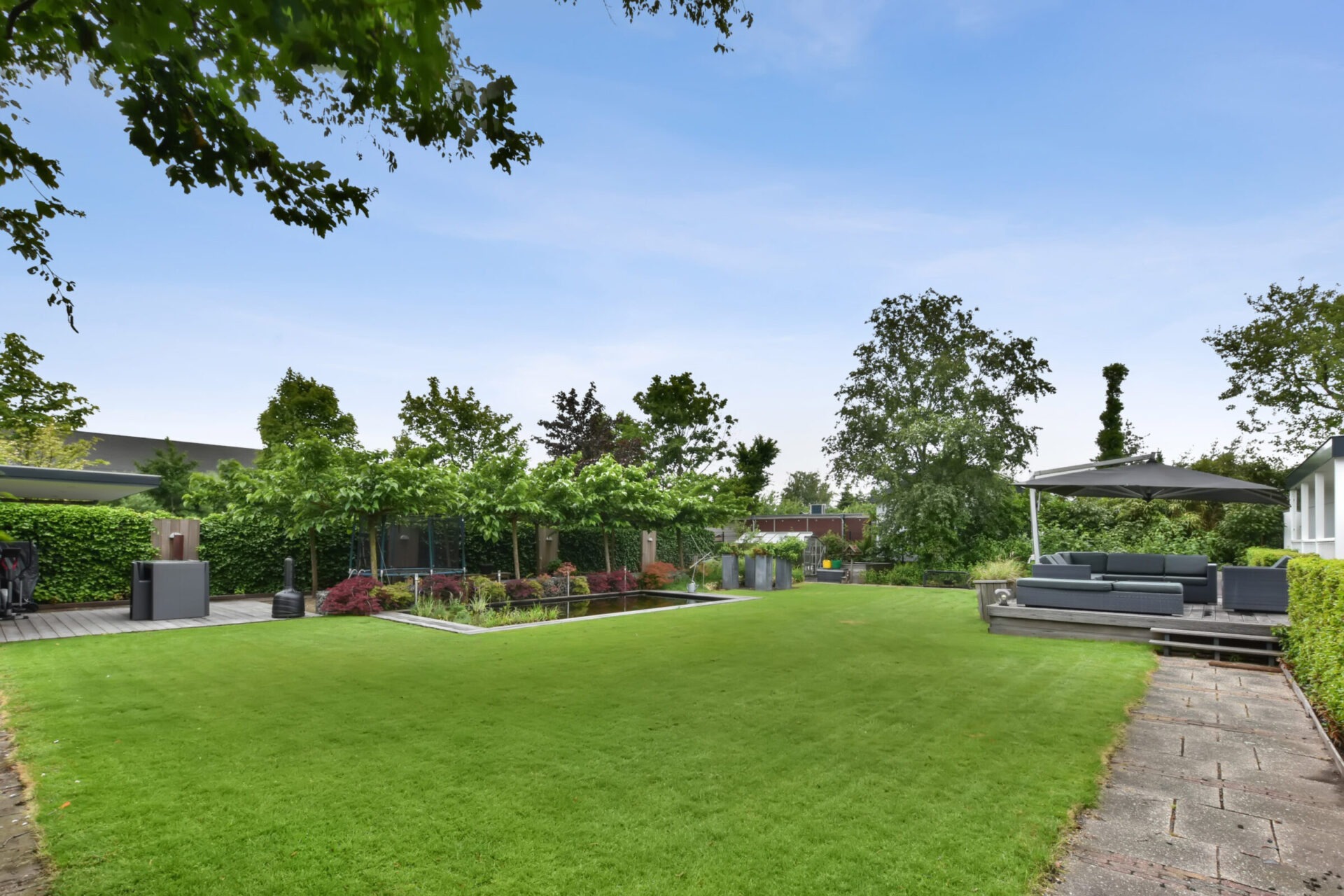
A professional lawn care and maintenance program in the St. Croix River Valley covers substantially more than mowing.
At Willow River Company, our full service menu for lawn care services in Hudson WI and surrounding communities includes:
- Fertilization: Slow-release granular and liquid applications timed to soil temperature, not the calendar.
- Weed Control: Pre-emergent and post-emergent solutions for crabgrass, broadleaf, and creeping Charlie.
- Pest Control: Targeted programs for white grubs, surface insects, and Japanese beetle grubs.
- Core Aeration: Mechanical removal of soil plugs to relieve compaction in clay-heavy soils.
- Overseeding: Reintroducing desirable grass varieties into thinned or damaged turf.
- Gypsum Treatment: Utilizing calcium sulphate to break up clay particles and improve drainage
- Disease Management: Specialized treatments for fungal issues common along the St. Croix River corridor.
When it comes to lawn care maintenance for Hudson properties specifically, Willow River Company structures its program around three tiers: Essential, Prime, and Elite. Each is designed to address a different level of soil and turf challenge.
Essential
This package covers five visits per season with tailored lawn treatment, slow release granular fertilization, and weed control. It is well suited to newer properties or lower maintenance lawns in River Falls, Baldwin, and our more rural service areas where soils are less intensively compacted.
Prime
This package includes everything from Essential, and adds in aeration and overseeding to your program. It is a great fit for established lawns in Hudson, Stillwater, and New Richmond that are showing moderate compaction and gradual turf thinning.
Elite
This package includes everything from Prime, and adds an extra one to two visits per season, plus a gypsum soil treatment. It was designed specifically for properties in western St. Croix County with heavy clay subsoil, drainage issues, or lawns that have not responded the way they should to previous care programs.
The reason we offer these distinct tiers is simple: we build our programs based on what our technicians actually find in the ground across Hudson, Afton, and the river valley communities every spring. Instead of a one-size-fits-all approach, we provide tailored lawn treatments. In practice, this means that before each season begins, our technicians assess your soil type, shade coverage, and existing grass variety while identifying any damage or stress patterns from the previous year. This localized expertise ensures you are only paying for the treatments your specific soil requires.
Explore Willow River Company’s full lawn care maintenance services offerings for more information about customized treatment plans designed specifically for St. Croix River Valley properties.
Lawn Fertilization in the St. Croix River Valley: Timing Is Everything
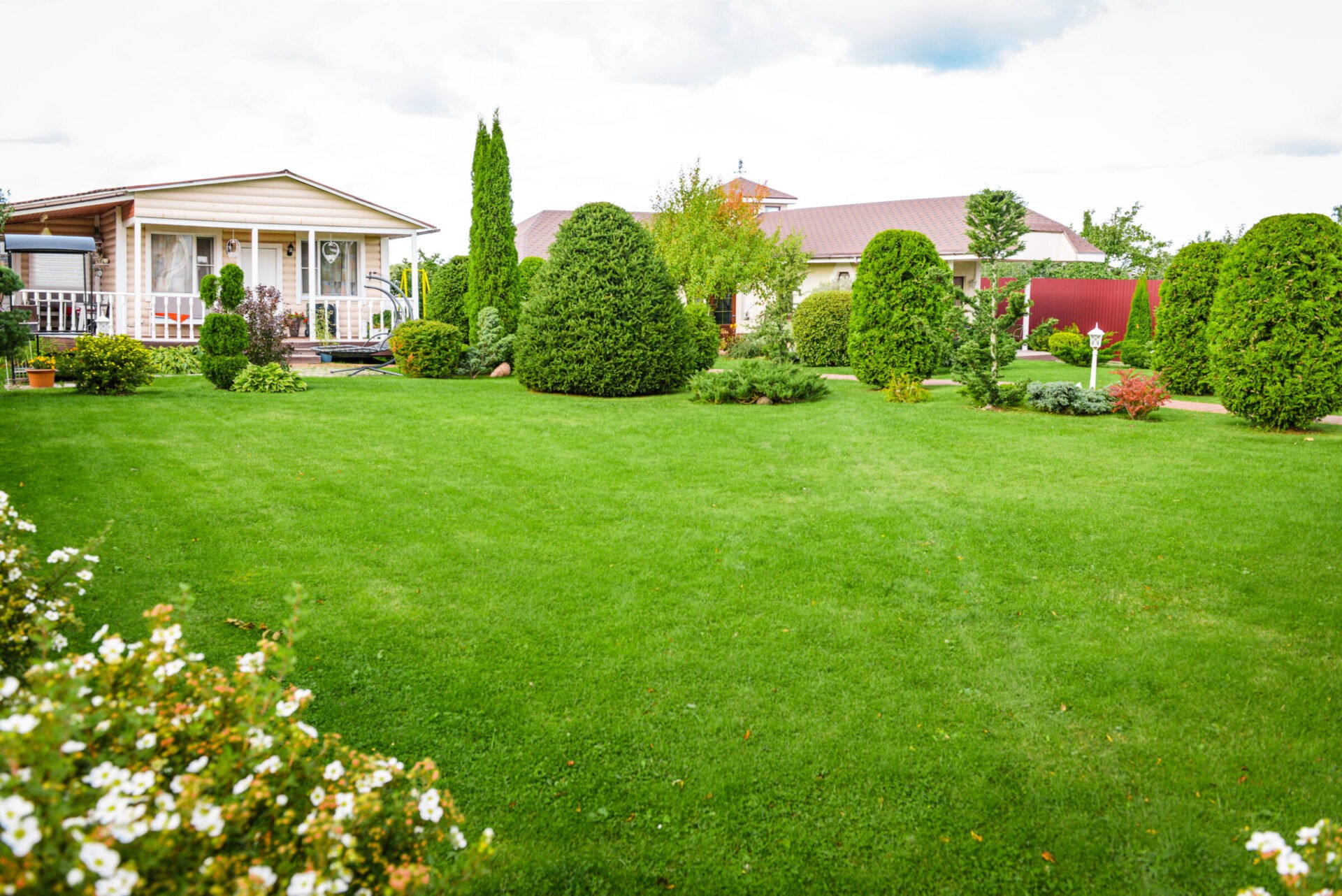
Achieving professional results in Western Wisconsin requires a plan that goes beyond simply spreading a bag of seed or fertilizer. The most common mistakes St. Croix River Valley homeowners make generally fall into four categories: timing, formulation, soil pH, and local fertilizer laws. To build a resilient lawn, each of these factors must be addressed specifically for our regional climate.
The Science of Soil Temperature and Timing
Many national lawn care apps and big-box store labels suggest starting applications in March or early April. In Hudson, that timing is wrong and potentially counterproductive.
A professional lawn fertilization service calibrates every application to soil temperature, not the calendar. In St. Croix County, soil temperatures typically reach the 55°F threshold that triggers active root uptake in late April to early May—and sometimes even later in wet or shaded areas. Applications made before this threshold is reached do not absorb efficiently; instead, they run off with spring rainfall into waterways rather than feeding the turf. Booking a lawn fertilization service is the most reliable way to ensure applications land in the correct window for our local climate. This issue is further compounded by Wisconsin’s rainfall patterns, as spring precipitation in St. Croix County tends to be concentrated in April and early May—exactly the window when impatient, early applications are most likely to wash away.
Choosing the Right Formulation
To account for the variables noted above, Willow River Company uses slow-release granular fertilizer rather than liquid for the first application of the season in the St. Croix River Valley. Granular, slow-release formulations are more forgiving of variable spring soil temperatures, releasing nutrients incrementally as microbial activity increases with the warming earth. While liquid fertilization plays a role later in the season when a fast response is needed, slow-release granular is the right starting point for a cold-climate spring program in Western Wisconsin and Eastern Minnesota.
Soil pH
Beyond timing, soil pH is the factor most homeowners skip. The glacially derived soils across St. Croix County tend toward a slightly acidic pH, typically between 5.8 and 6.5 across much of the Hudson and River Falls area. Because fertilizer uptake efficiency drops significantly when pH falls below 6.0, a pH test is the essential first step in any properly structured program. Without it, you may be fertilizing into soil chemistry that limits how much of that fertilizer the grass can actually use.
Local Fertilizer Laws
Finally, Wisconsin’s fertilizer law adds a layer of complexity that most DIY applicators are unaware of. Under Wisconsin Act 204, licensed lawn care contractors in St. Croix County are prohibited from applying phosphorus fertilizer to established lawns unless a soil test demonstrates a documented deficiency. This is not optional compliance; it is state law with liability attached. Navigating these phosphorus regulations can be a headache for DIYers, which is why most residents prefer to leave the applications to providers of professional lawn care services in Hudson that handle the licensing and soil testing for them.
Lawn Aeration and Overseeding
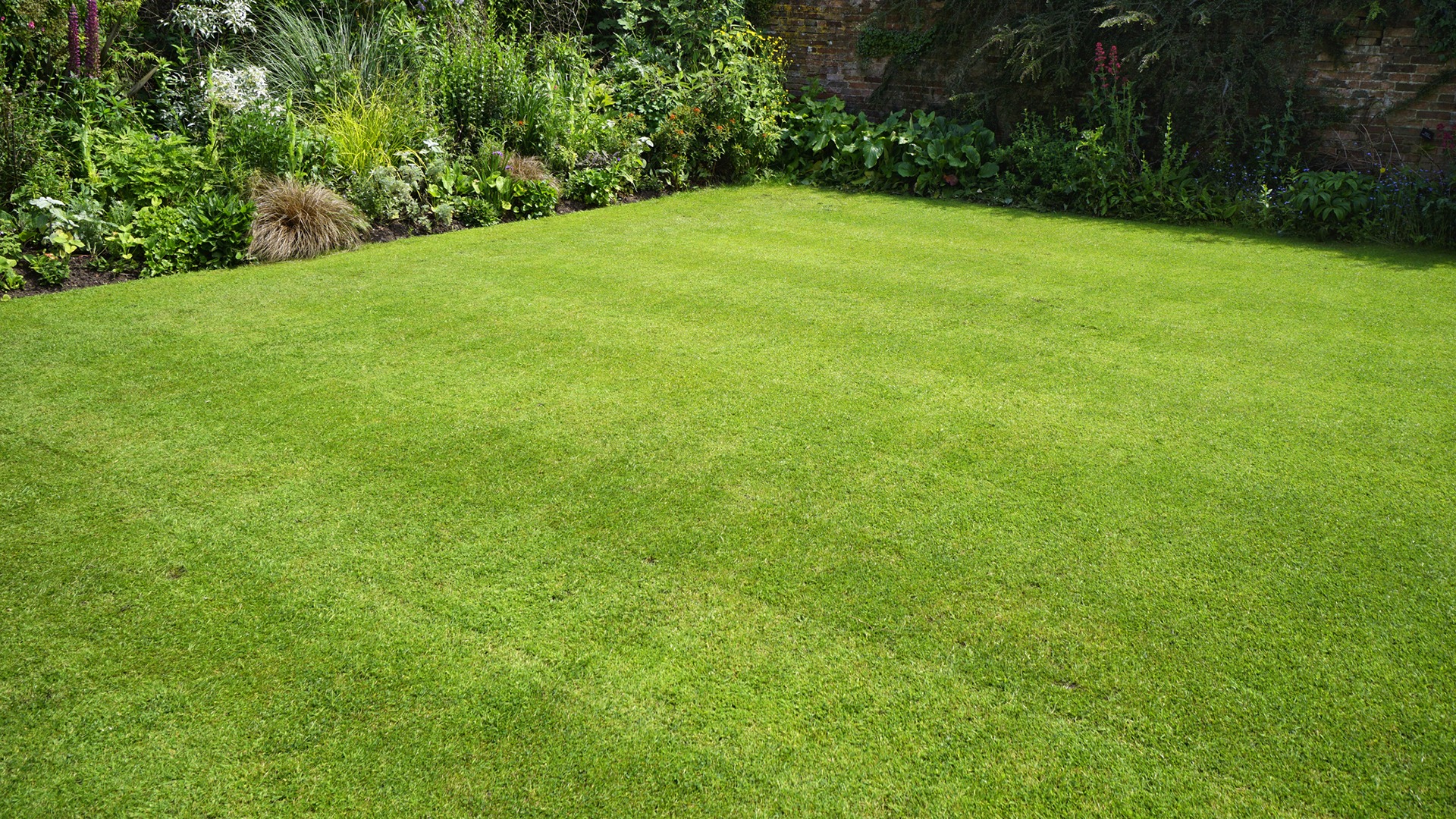
Achieving a resilient lawn in Western Wisconsin and Eastern Minnesota requires a deeper look at the relationship between your soil and your grass.
The Core Aeration Advantage for Clay Soils
For a clay-heavy lawn in Hudson or New Richmond, the most critical intervention is mechanical core aeration. When it comes to lawn aeration in Wisconsin, this specific process—pulling physical ‘plugs’ of soil from the turf—is the only way to ensure every other treatment in your program actually reaches the roots.
Clay soil compacts under foot traffic, freeze thaw cycling, and the weight of equipment over time. As compaction increases, pore space in the soil closes off, and the pathways through which water, oxygen, and nutrients reach grass roots narrow or disappear entirely. You can apply the best fertilizer program available and still watch it produce mediocre results in a compacted clay lawn because the nutrients simply cannot penetrate to where the roots are. Mechanical core aeration relieves that compaction and reopens those pathways, serving as the essential foundation that allows all our other lawn care services to be effective.
Because this step is so vital for local soil health, both our Prime and Elite lawn care packages include aeration and overseeding as standard features.
Once you understand why aeration is necessary, the next step is timing the application to align with our local growing season.
When to Aerate for the Best Results
Homeowners frequently ask when to aerate lawn in Wisconsin, and the answer in St. Croix County is consistently fall, not spring. Specifically, the best time to aerate lawn in Wisconsin is late August through September. During this window, the soil is still warm from summer and fall rains are reliable. These conditions, combined with cooling overnight temperatures, create the ideal environment for cool-season grass seed to thrive. While spring aeration has its place, fall is where you will see the most significant shift in turf density.
After the soil is opened up, the focus shifts to restoring turf density through proper seeding and moisture management.
Overseeding and Irrigation Follow-Through
Overseeding restores density to lawns in the St. Croix River Valley that have thinned through summer stress, disease, or the cumulative effect of years without renovation. Success requires a two-step approach:
- Variety Selection: Grass seeding for Hudson WI projects we suggest a blend of Kentucky bluegrass for recovery and tall fescue for drought tolerance.
- Irrigation Timing: Newly seeded turf needs consistent, even moisture for three to four weeks. Inconsistent watering is the primary cause of patchy results.
This is why Willow River Company coordinates aeration and overseeding with irrigation scheduling for our clients. Explore our residentialirrigation services to learn how proper timing supports stronger root development and more consistent recovery after overseeding.
Whether you are managing the project yourself or using one of our professional programs, getting the timing and variety right is what separates a standard lawn from a high-performing one.
Weed Control and Pest Management for Wisconsin and Minnesota
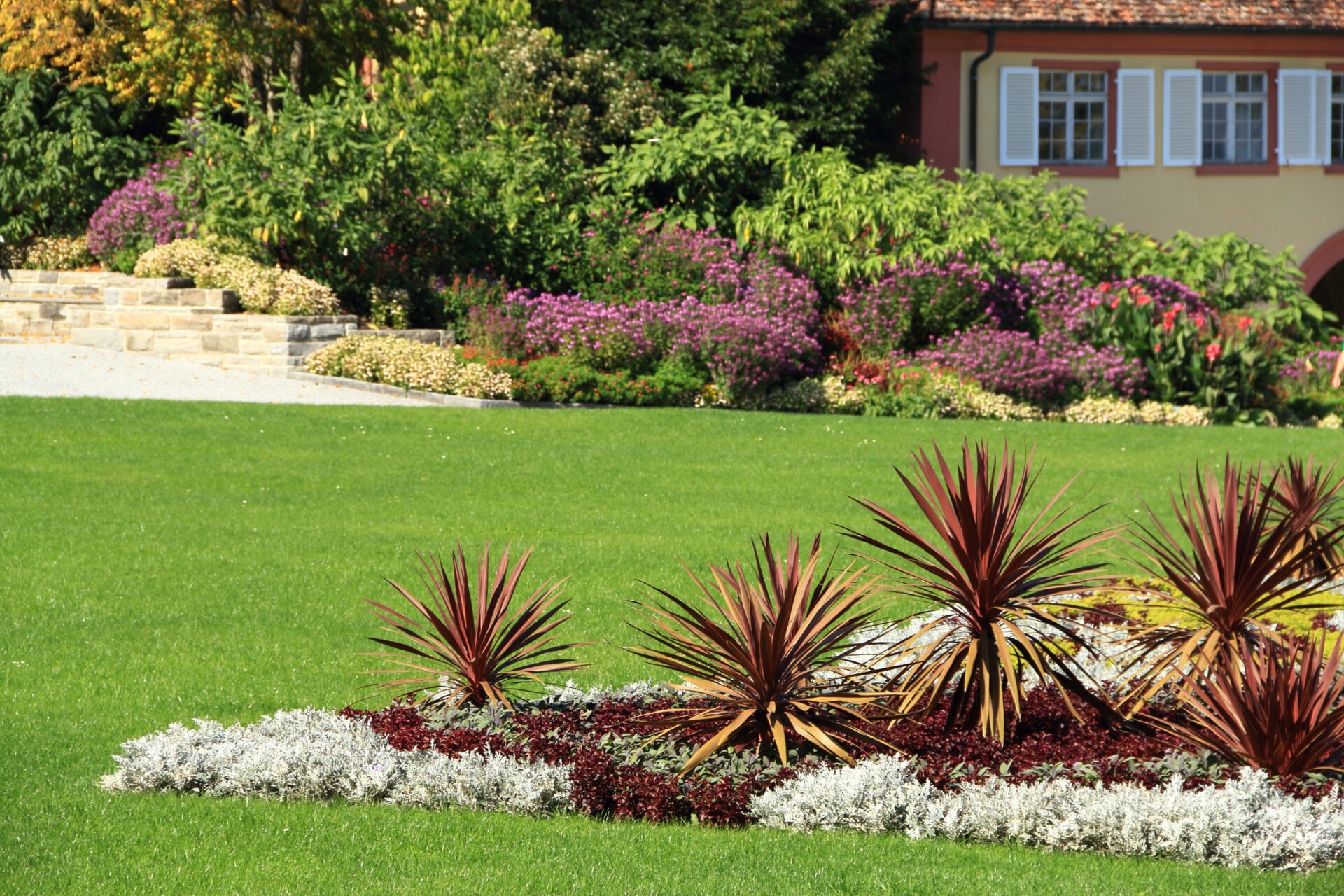
The weed pressures in St. Croix County have a distinct character driven by the valley’s moisture levels, soil types, and proximity to the river corridor. To stay ahead of these invasive species, professional lawn care services in the Hudson areas must address pressures that national programs often underestimate.
Targeting Aggressive Local Weeds
A dedicated lawn weed control service in this region focuses on the most persistent threats to local turf:
- Crabgrass: This is the primary annual grassy weed pressure across the Hudson, New Richmond, and Stillwater MN areas. Pre-emergent control is non-negotiable because once crabgrass germinates, the window for effective treatment narrows dramatically. In Western Wisconsin, this window runs from mid-April to early May, precisely when soil temperatures approach 55°F at a two-inch depth. A useful local indicator is the forsythia bloom, which correlates closely with the right pre-emergent timing in the St. Croix River Valley.
- Creeping Charlie: This weed is particularly aggressive in lower-lying properties along the St. Croix River in Hudson, Afton, and Bayport. Moisture-retention soils and partial shade create ideal conditions for its spread. Effective lawn weed control for established infestations typically requires a broadleaf post-emergent applied with full blanket coverage; fall timing is significantly more effective than spring for this species.
Homeowners who have been spot-spraying for years and still losing ground are usually dealing with an infestation that has spread beyond what targeted treatment can address. Dandelion, clover, and ground ivy round out these common broadleaf pressures.
Managing Destructive Surface and Sub-Surface Pests
White grub pressure is significant across St. Croix County, particularly in irrigated lawns adjacent to wooded areas. Japanese beetle grubs, in particular, feed on grass roots through late summer and fall. Severe infestations can cause turf to lift like a carpet as the root systems are consumed. To prevent this, a preventive grub treatment applied in mid-summer—before egg hatch—is substantially more effective than a rescue treatment applied after the damage is visible.
Licensing and Compliance
Because these treatments involve regulated applications, Wisconsin pesticide law requires all commercial applicators to hold a WDATCP pesticide applicator license. Willow River Company’s technicians are fully licensed and insured for all pesticide applications in both Wisconsin and Minnesota, ensuring that your lawn weed control is handled safely and legally.
Willow River Company Lawn Care Packages: Essential, Prime, and Elite
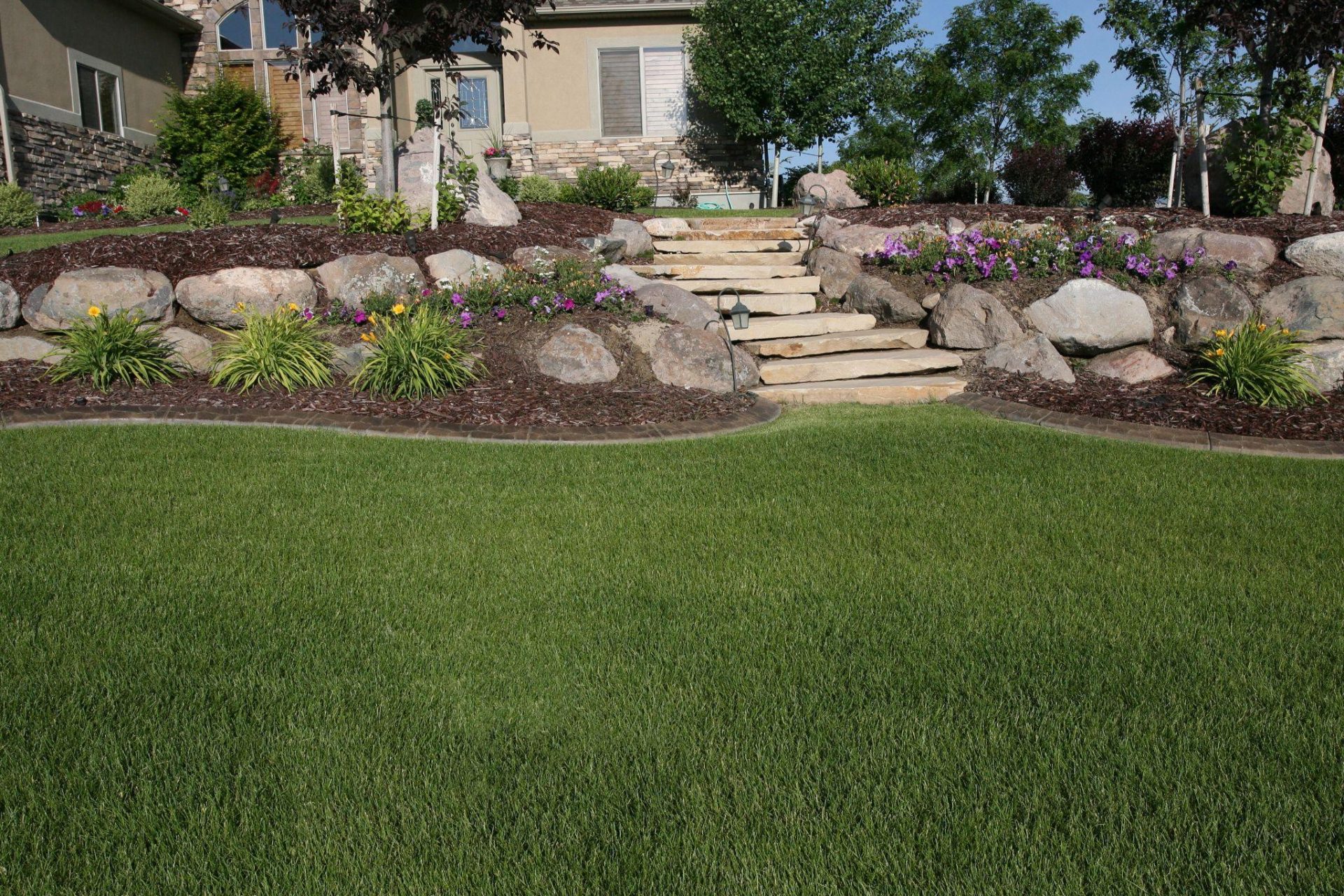
At Willow River Company, our lawn care packages in Hudson and the St. Croix River Valley are structured around what our specific region’s soils and climate actually require, not a national service template.
To meet the specific needs of your soil and your lifestyle, we have developed three distinct levels of care:
Essential
Five visits per season including tailored lawn treatment, slow release granular fertilization, and pre-emergent and post-emergent weed control.
This is the right starting point for newer lawns, lower maintenance properties, and clients who want a professionally managed program without the soil renovation components.
Prime
This tier includes everything from Essential, plus core aeration and overseeding. It is a great fit for homeowners seeking comprehensive lawn care services, and who have established lawns in Hudson, New Richmond, and Stillwater MN that are showing signs of compaction and turf thinning. Choosing this lawn care package moves homeowners from always feeling one step behind to seeing a real shift in the quality of their lawn.
Elite
This tier includes everything from Essential, plus two extra visits and a gypsum soil treatment. It represents our most intensive option for lawn care services in Hudson WI, designed specifically for properties in western St. Croix County with heavy clay subsoil and drainage issues. If your property in Hudson has standing water after rain, or a lawn that simply has not responded to previous programs the way it should, this is likely the lawn care package for you.
The Willow River Experience
While our lawn care packages handle your turf, the Willow River Experience (WRX) is a monthly subscription service that simplifies your entire property’s maintenance by placing all your outdoor needs under one umbrella.
By bundling your lawn care services with other tasks like snow removal or irrigation, you get:
- A Custom Maintenance Plan: We build a service schedule tailored specifically to your property’s needs, from plant bed care to lawn weed control.
- Predictable Budgeting: Your annual plan is divided into one flat, manageable monthly rate, so you never have to deal with seasonal billing spikes.
- The WRX Portal: Instant access to your lawn fertilizer schedule, technician notes, and service history.
Find the Right Fit for Your St. Croix River Valley Lawn
Every property in our region faces unique challenges—from heavy clay in New Richmond to the moisture of the St. Croix riverbank. Whether you need a simple maintenance plan or a full-service subscription, our team is ready to help you find the right fit for your yard and your budget.
Get a lawn care quote for your property Hudson or the St. Croix River Valley today.
Frequently Asked Questions About lawn care in hudson, wI
When should I start lawn care service?
In Hudson and across St. Croix County, the first meaningful treatment visit typically occurs in mid-to-late April once soil temperatures approach 50–55°F. Starting in March, as many national guides suggest, is generally inappropriate for the St. Croix River Valley’s frost calendar. Soil that has not fully thawed cannot absorb fertilizer effectively, and pre-emergent applications made too early are poorly timed for the local crabgrass germination cycle. Because of this, Willow River Company calibrates the start of every program to actual soil conditions in the Hudson area each season rather than a fixed calendar date.
How many times a year does my lawn need to be treated?
The specific number of visits included in our lawn care services depends on the package tier you select to meet your Hudson area property’s needs. Essential includes five visits, Prime includes five to six, and Elite includes six to seven. St. Croix County’s growing season typically runs from May through October, and our programs are structured around specific treatment windows. These include early-season fertilization and pre-emergent, mid-season treatments, late-summer aeration and overseeding, and a final fall fertilization to prepare the turf for winter dormancy. In milder years, fall treatments on the Elite program may extend into early November.
Do I need to be home when the lawn care technician comes?
No. Willow River Company’s technicians service your property without requiring you to be present. We prioritize clear communication for every client; if our technician identifies a concern like a grub infestation, disease pattern, or spring drainage issue and you’re not home, they will document it and ensure the information is shared with you. While all clients receive service updates, WRX members benefit from an enhanced experience via the client portal, featuring automated pre-visit notifications and a digital archive of all technician notes and service history.
What’s the difference between fertilization and lawn treatment?
Fertilization is just one component of a larger lawn treatment visit. As Willow River Company uses the term, a tailored lawn treatment includes fertilization plus weed control applications (pre-emergent or post-emergent depending on the season) and soil amendments as needed. While “fertilization-only” visits are common with standalone services, our treatment visits are structured to address multiple aspects of turf health in a single window. This approach is more efficient and produces better results than managing those elements separately. For a deeper dive into timing and local soil requirements, read our guide on lawn fertilization in the Hudson, WI area.
Reliable Lawn Care Services in Hudson and Beyond
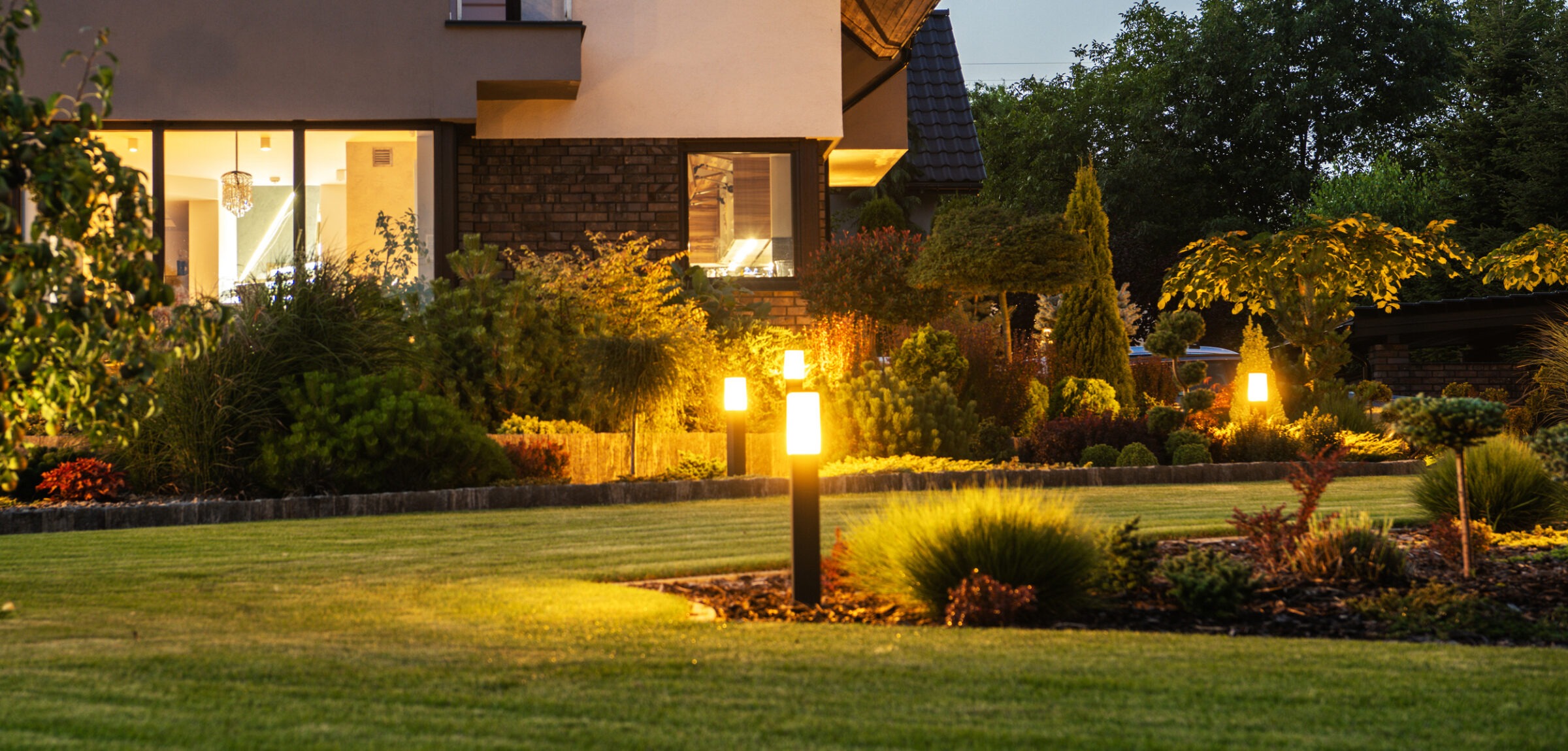
Willow River Company has provided trusted lawn care services in Hudson, New Richmond, River Falls, Stillwater, and the greater St. Croix River Valley since 1987. From river valley soil conditions to seasonal weed growth and pest activity, we understand what local lawns need to stay healthy and consistent year after year.
Whether you need routine fertilization, weed control, or a complete lawn care program, our team is ready to help you build a healthier lawn that fits your property and schedule.
Ready to get started? Request a quote today for a customized estimate and a lawn care plan tailored to your property.
Summary
A healthier lawn in the St. Croix River Valley starts with understanding the unique soil, climate, and seasonal pressures that define this region. From fertilization timing to aeration, weed control, and overseeding, every step works better when it is tailored to the unique conditions of Western Wisconsin and Eastern Minnesota. Choosing professional lawn care services for your Hudson WI property removes the guesswork and ensures your lawn receives the right attention at the right time. With Willow River Company, homeowners Hudson, New Richmond, River Falls, and surrounding communities can feel confident they have a partner with the right right local expertise to build thicker, healthier turf that performs better season after season.
Tags: