
Emerald Ash Borer Tree RemovaI: Why Dead Ash Trees Can’t Wait
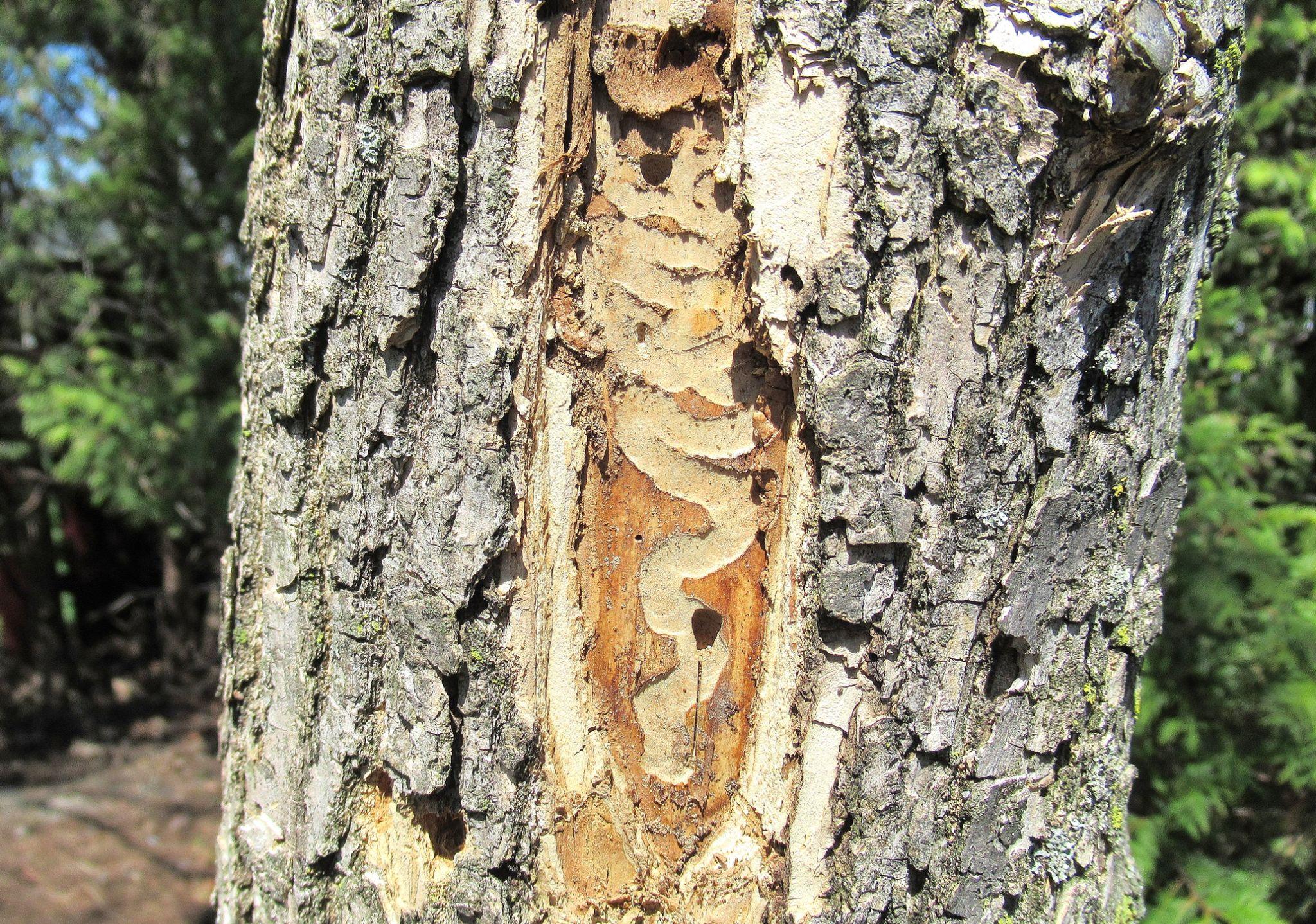
There is a particular kind of tree problem that doesn’t announce itself all at once. An ash tree on the back of your property loses a little canopy one summer. Then the bark starts to look patchy. By the time you notice the woodpecker damage and the bare branches stretching across most of the crown, you’re not looking at a sick tree anymore, you’re looking at a hazard.
If that description matches a tree on your St. Croix River Valley property, this guide is for you. Willow River Company’s certified arborists have been assessing and removing emerald ash borer tree removal candidates across Hudson, New Richmond, River Falls, and Stillwater since EAB first began its sweep through St. Croix County. What we’ve learned from hundreds of these jobs is this: the urgency is real, the danger is often underestimated, and waiting costs homeowners more in every direction.
Why Dead and Dying Ash Trees Are More Dangerous Than They Look
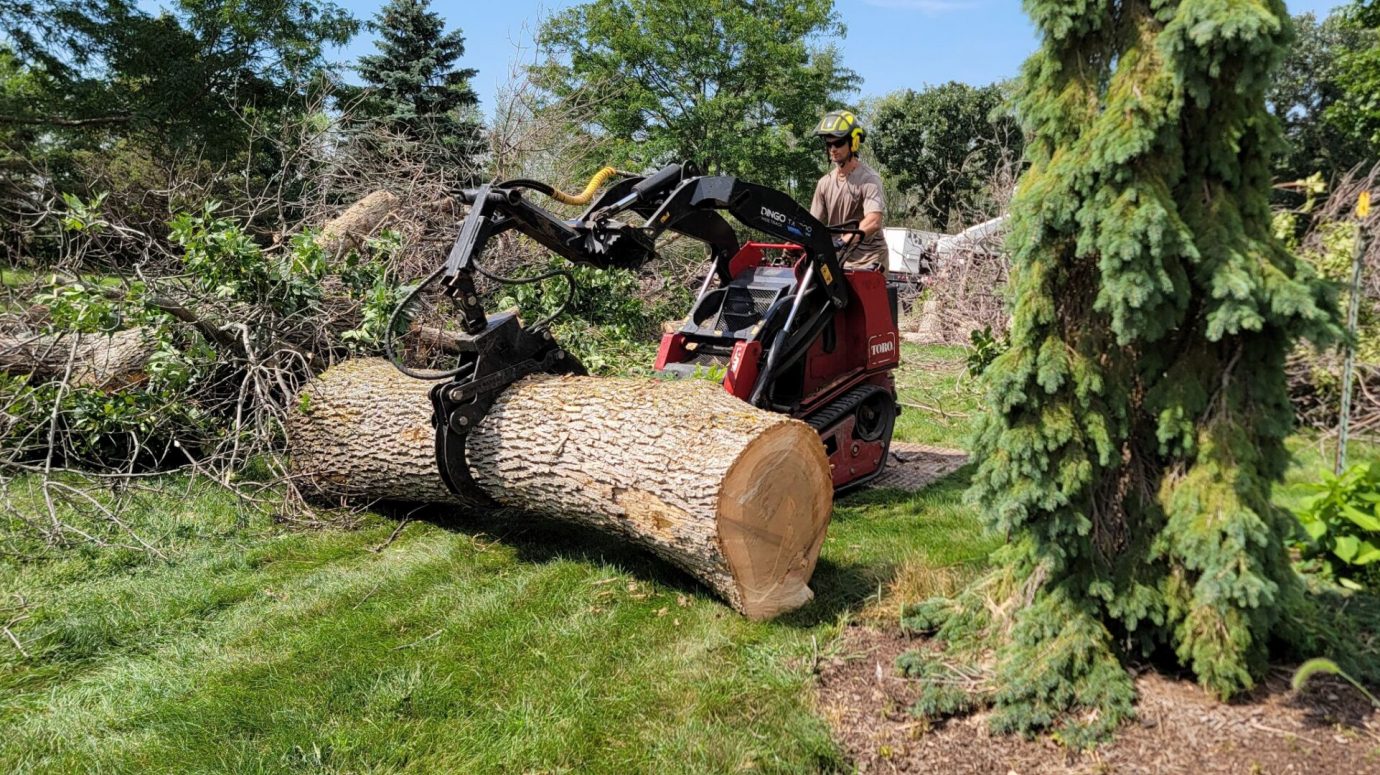
A dead ash tree is not like other dead trees. That is the single most important thing a St. Croix River Valley homeowner can understand before deciding how to handle a failing ash on their property.
Emerald ash borer larvae feed on the cambium layer. It is the living tissue just beneath the bark that transports water and nutrients throughout the tree. As the larvae tunnel through this layer in expanding S-shaped galleries, they sever the tree’s vascular system from the inside out. The result is a tree that may look structurally intact from the street but has been compromised at its core before a single exterior symptom appears.
Once the tree dies, the breakdown accelerates rapidly. Dead ash wood loses tensile strength far faster than other hardwood species. Within one to two years of confirmed death, branches begin to snap under their own weight without wind or load. The trunk itself can fail at the base or mid-trunk during moderate wind events and not severe storms, but the kind of spring and summer weather that is entirely routine across western Wisconsin.
The dead ash tree removal window matters because of what happens to the wood over time. Bark sloughs off in large sheets. Woodpecker excavation, which was actually a useful diagnostic sign when the tree was still alive, leaves the outer trunk pockmarked and further weakened. The combination of internal decay, bark loss, and woodpecker damage creates a tree that is lightweight but structurally hollow, with an unpredictable failure pattern that even experienced arborists approach with elevated caution.
On a residential property in Hudson or New Richmond, the hazards are specific:
- Falling limbs onto people working, walking, or playing beneath the tree
- Whole-tree failure onto structures, vehicles, decks, fences, and power lines
- Branch drop during routine yard activity, mowing, gardening, children playing with no storm required
- Increased loading risk during Wisconsin’s winter ice events and spring storms
Here is the timeline reality: an ash tree confirmed dead this season is significantly safer and less expensive to remove than the same tree in two years. Every season of inaction increases the hazard and the technical demands of the removal.
Emerald Ash Borer Treatment in the St. Croix River Valley: Why So Many Ash Trees Are Failing Right Now
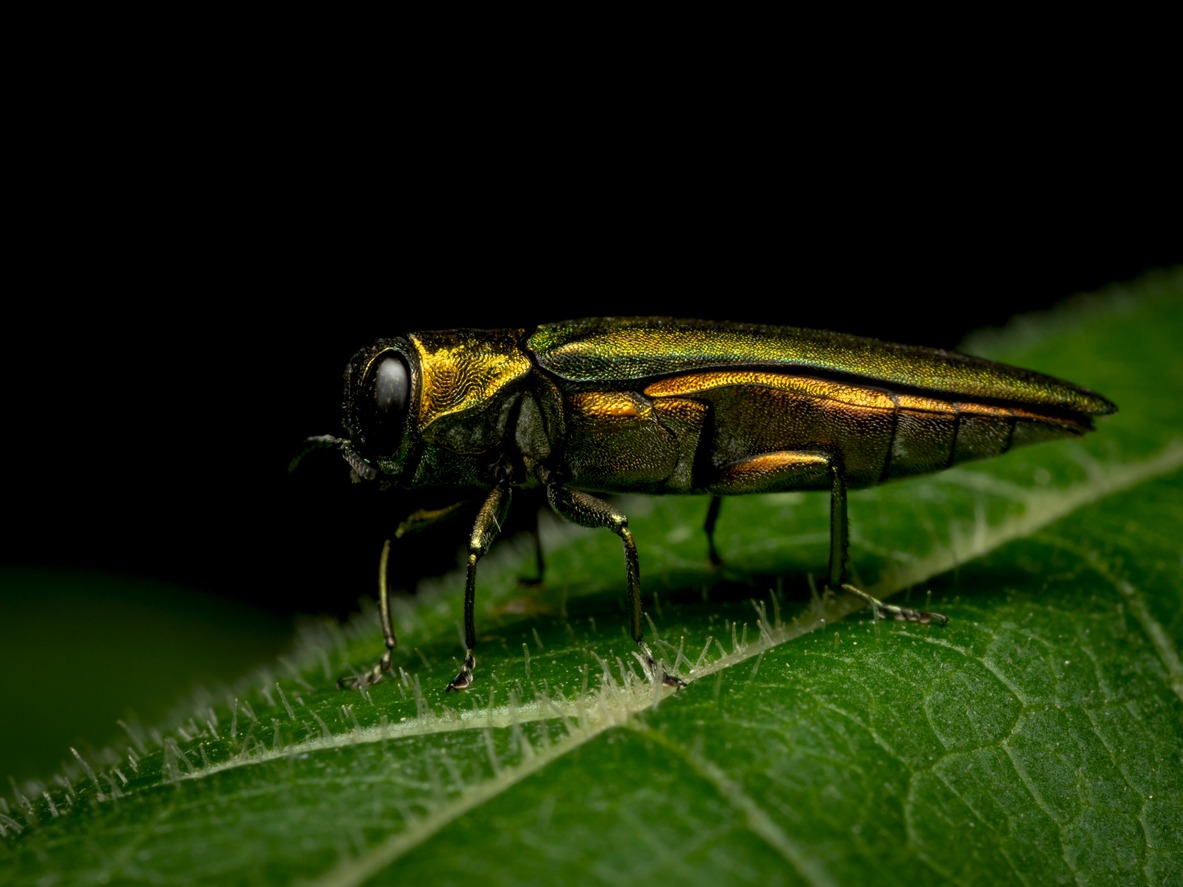
Emerald ash borer (Agrilus planipennis) has been confirmed in every county in Wisconsin. The Wisconsin DNR lifted the EAB quarantine in 2021, not because the pest had been controlled, but because it had spread statewide and containment was no longer possible. St. Croix County is fully within the established infestation zone with no expectation of reversal.
For EAB ash tree removal in Hudson, WI and the surrounding communities, the timing of demand makes sense. Ash trees are among the most common residential landscape trees in older St. Croix County neighborhoods. Hudson, New Richmond, and the river communities were planted heavily with ash through the 1970s, 80s, and 90s precisely because ash was a fast-growing, adaptable hardwood that handled Wisconsin winters well. Many of those trees were infested five to eight years ago and are now reaching the structural failure window.
The pattern most homeowners describe is the same: the tree looked stressed last year. This spring it had no leaves. The bark is pulling away from the trunk. By the time a tree presents this way, it has already reached the hazard stage, and the clock on safe, cost-effective removal is running.
Why Ash Tree Removal Near You Is Not a DIY Project
Every spring, emergency calls to tree service companies across western Wisconsin include a predictable category: a homeowner who attempted to remove a dead ash and ran into serious trouble. Dangerous ash tree removal in Wisconsin is a consistent cause of significant property damage and personal injury, and the reason comes down to the specific properties of EAB-killed wood. The Tree Care Industry Association documents tree work injuries each year and homeowner-attempted removals of compromised trees are among the most preventable:
- Unpredictable Wood Behavior: Dead ash does not behave like live wood, or even like other dead wood species. Cuts that would be routine on a live maple or oak can cause an EAB-killed ash to split, kick back, or shed large branches without warning. This is not a matter of skill level, it is a property of the wood itself. Certified arborists approach dead ash differently than any other removal job.
- Loss of Natural Fall Lines: A healthy tree gives visual cues about where it will fall when felled. An ash with compromised internal structure and partial decay can fall in a direction the cutter did not intend, particularly when the trunk is hollow or has soft rot at the base. This is the cause of the majority of serious injuries in DIY tree removal attempts.
- Falling Debris During the Cut: The moment a chainsaw contacts a dead ash trunk, dry branches can drop from anywhere in the canopy. A homeowner working at ground level has no reliable way to anticipate where this material will fall or how much will come down at once.
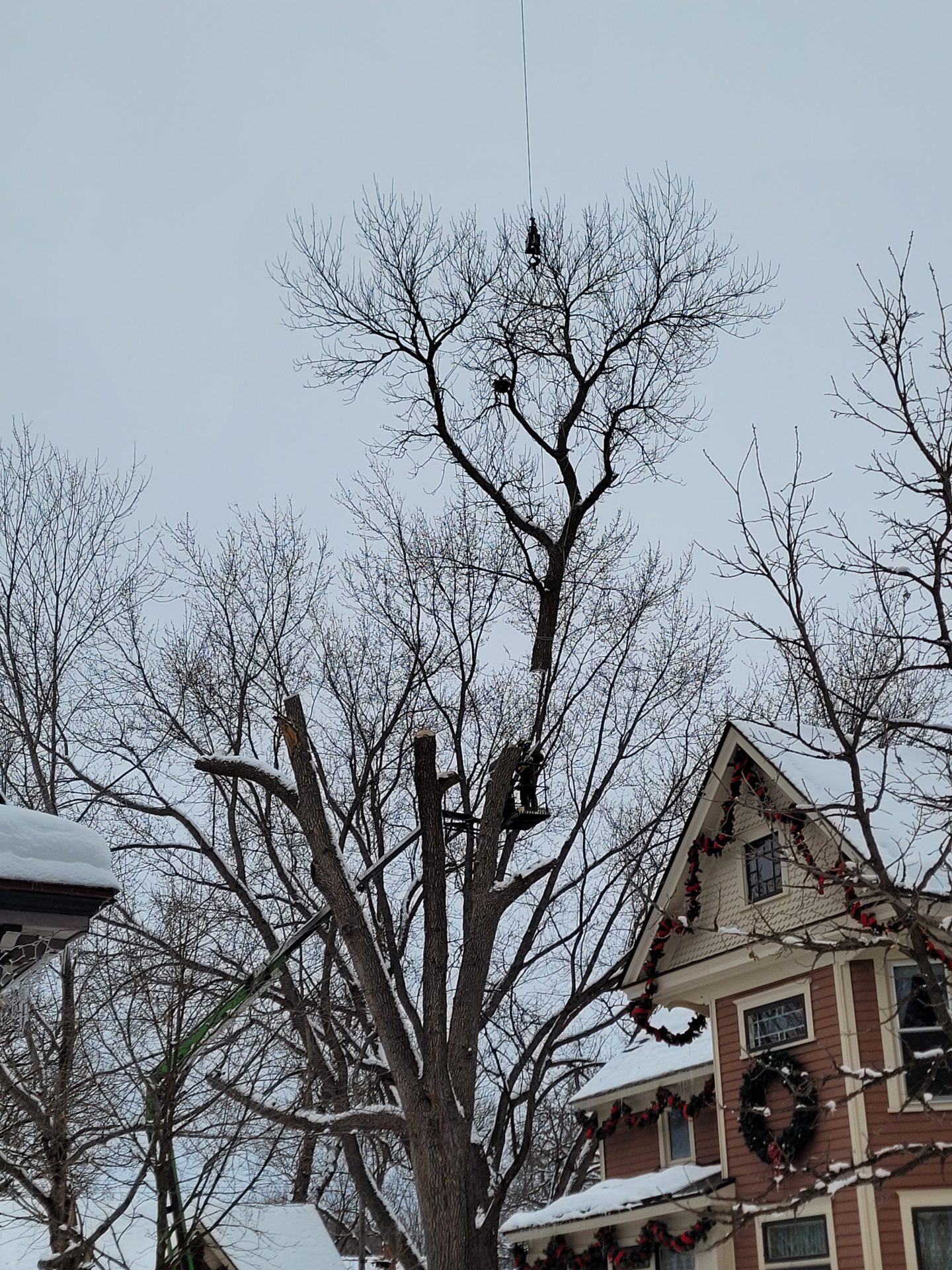
- Climbing and Rigging Demands: Most removal work on EAB-killed ash trees in residential settings requires controlled rigging (lowering sections of the tree piece by piece rather than felling the whole tree) because the surrounding structures simply don’t allow for a full-tree drop zone. This requires trained climbers or aerial equipment, proper rigging systems, and a crew that can work in coordination. A homeowner cannot safely replicate this without the training and equipment that takes years to develop.
- Insurance and Liability: Most homeowner insurance policies do not cover damage caused during a homeowner-attempted removal. If a family member or neighbor is injured helping with the work, the liability exposure is significant. Professional crews carry full insurance (liability and workers’ compensation) that protects the homeowner throughout the job.
What does a Willow River Company’s certified arborist crew brings to an EAB ash job?
- On-site hazard assessment before any cuts are made
- Controlled rigging and lowering rather than free-fall felling
- Crane support for trees in tight spaces near structures
- Aerial equipment for canopy work on taller trees
- Full liability and workers’ compensation coverage
- Stump grinding, debris chipping, and complete site cleanup
Treatment Is Still an Option for Some Ash Trees: Here’s How to Tell
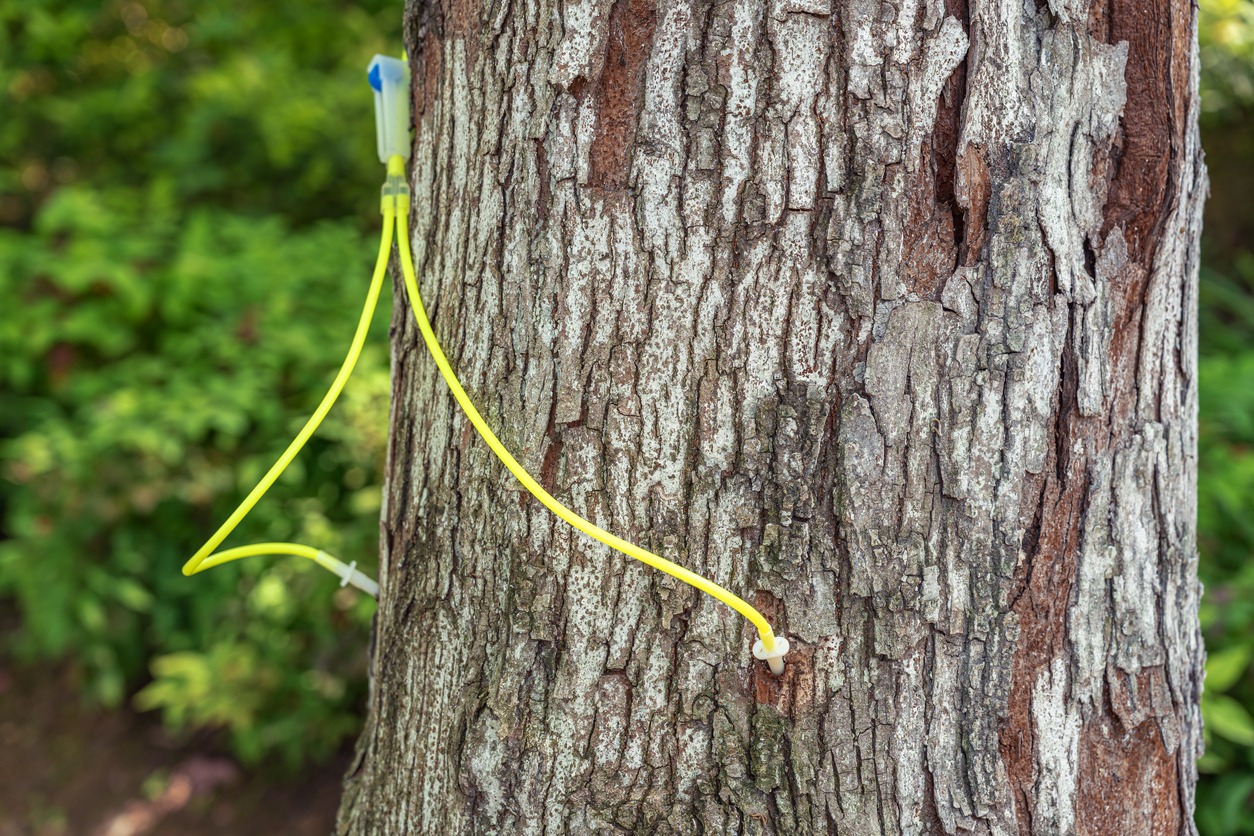
Not every ash tree in St. Croix County is beyond saving. If your ash tree still has significant canopy and you caught the infestation early, professional treatment can protect the tree for years.
The threshold is approximately 50% canopy retention. Trees with more than 50% of their original canopy intact, limited exit holes, and no major structural compromise are still viable candidates for trunk injection treatment with emamectin benzoate, the most effective professional-grade EAB intervention available. A single treatment provides two years of protection per application and must be administered by a certified arborist or licensed pesticide applicator.
Trees that may still be treatment candidates:
- No visible symptoms but located in a confirmed EAB zone (preventive treatment)
- Early canopy thinning with 70% or more canopy intact and limited exit holes
- Symptomatic for one season but structurally sound with no significant bark loss
Trees that have lost more than 50% of their canopy, show extensive bark sloughing, or have visible epicormic sprouting from the trunk are generally past the point where treatment can restore healthy function. For those trees, removal is the appropriate recommendation.
The right determination for any specific tree is a certified arborist assessment, not a self-diagnosis. The UW-Madison Extension EAB homeowner guide provides a useful overview of infestation stages and treatment timing for Wisconsin property owners. For full ash tree treatment options, including our trunk injection program, visit our treatment services page.
How Much Does Emerald Ash Borer Tree Removal Cost?
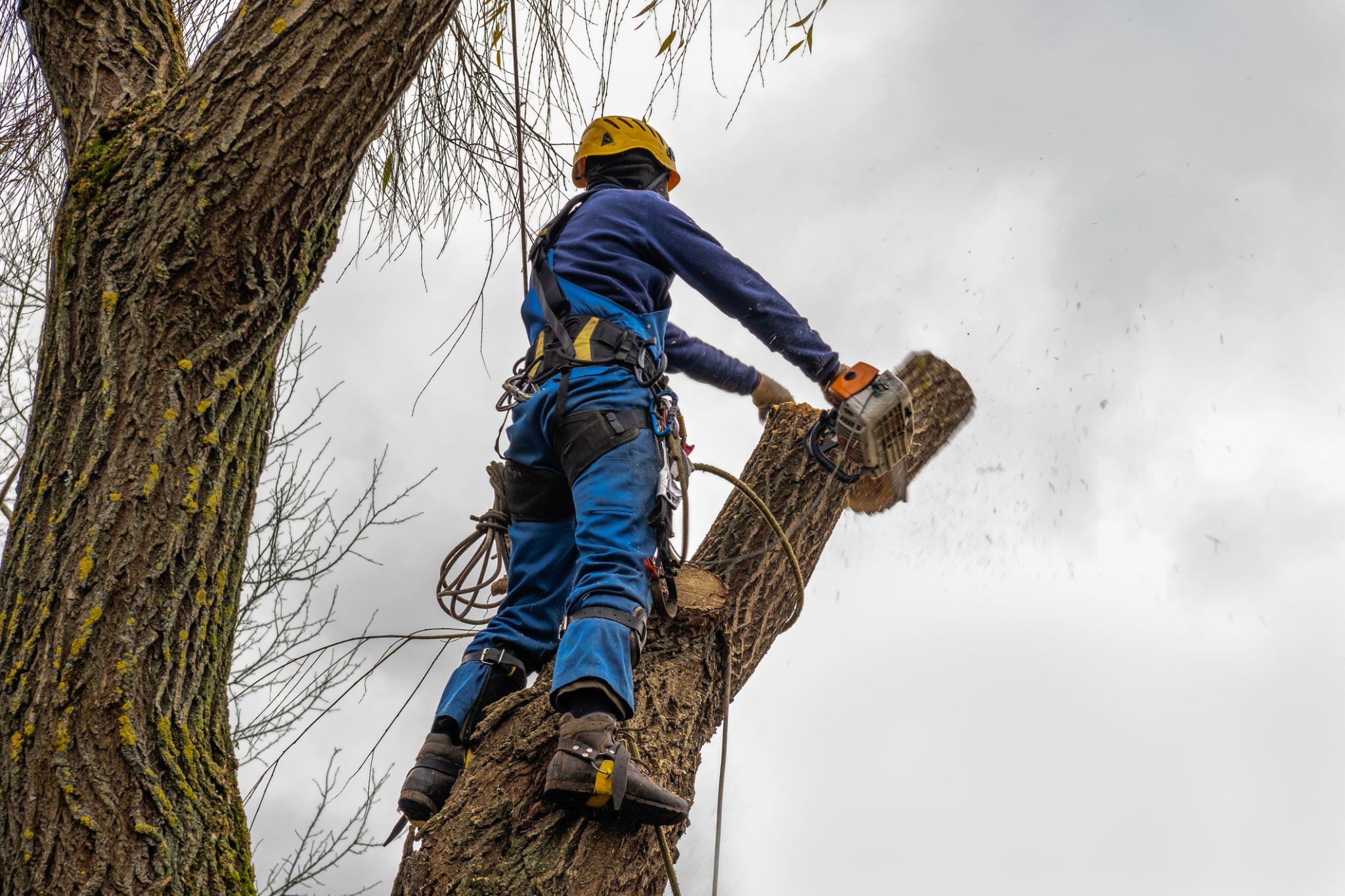
Emerald ash borer tree removal cost varies significantly based on factors that can only be assessed on-site. Publishing a price range without seeing the tree, the site, and the surrounding conditions would not give you a useful number. What we can tell you is what drives the cost and why waiting is the most expensive option.
The variables that affect removal cost include:
- Tree size — diameter at breast height and overall height
- Site access — whether crane and aerial equipment can reach the tree
- Proximity to structures — tighter sites require slower, more controlled work
- Degree of decay — more advanced internal decay means more rigging and less predictable wood behavior
- Number of trees — multi-tree removals on the same property typically reduce per-tree cost
- Stump grinding and debris removal — included in a full-service removal or scheduled separately
The cost-of-waiting principle is straightforward: an ash tree removed in the season it dies costs less than the same tree removed two years later. As the wood becomes more brittle and unpredictable, the job becomes more technically demanding, requires more rigging, and takes longer. Homeowners who delay removal pay more for the same outcome, and assume additional risk while waiting.
One more note on insurance: most homeowner policies cover damage after a tree has already fallen, not the preventive removal of a known hazard. Removing a dead ash before it fails is a homeowner expense, but it is significantly less than the deductible-plus-repair cost of a tree coming down on a roof, a vehicle, or a fence.
Schedule a Free Ash Tree Removal Assessment in Hudson, WI →
When to Remove an Ash Tree — A Practical Timeline
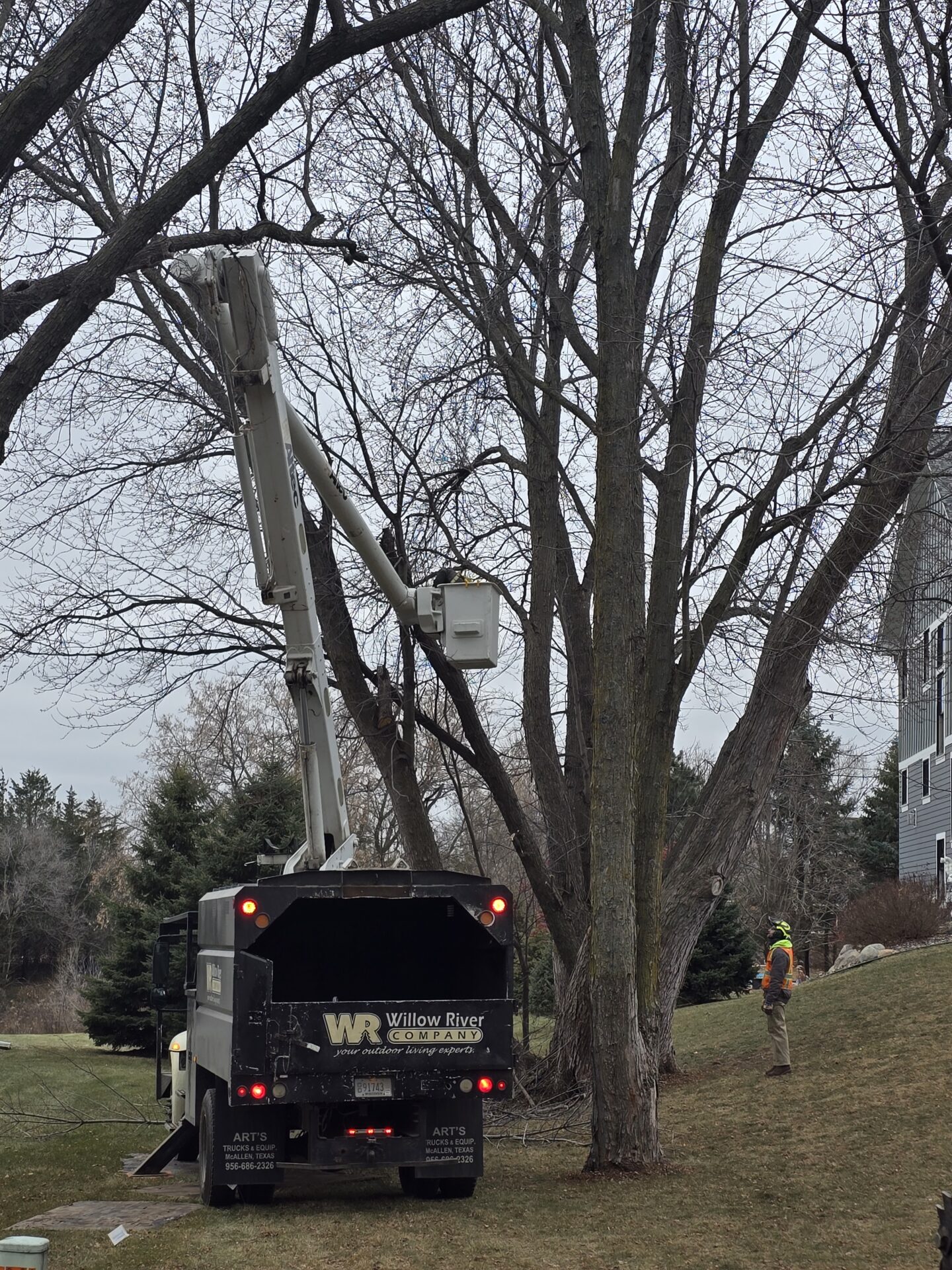
The right answer depends entirely on where your tree is in the infestation and decline cycle. Use the descriptions below to identify where your tree stands, then act accordingly.
- Your ash tree is confirmed dead — no leaves, bark sloughing off, brittle branches, heavy woodpecker damage throughout the trunk. Schedule professional removal as soon as possible. This tree is already a hazard. Every season it stands, the wood becomes more unpredictable and the removal more technically demanding and expensive.
- Your ash tree shows advanced symptoms — more than 50% canopy loss, significant bark damage, multiple D-shaped exit holes visible in the bark, epicormic sprouting from the trunk or root flare. Schedule a certified arborist assessment for a viability determination. Removal is the likely recommendation, but a professional assessment will confirm this and allow for a planned, controlled removal before the tree deteriorates further.
- Your ash tree shows early symptoms — some canopy thinning in the upper crown, limited exit holes, 70% or more canopy intact. Schedule an arborist assessment for treatment evaluation. Treatment is still viable and should begin this season.
- Your ash tree appears healthy but sits in a confirmed EAB zone — which, in St. Croix County, means everywhere. Consider preventive treatment. A healthy ash today can be a structural hazard within five years without intervention. Preventive trunk injection is the most cost-effective way to protect a mature ash.
Following removal, a replacement tree can be planted in the same location. Willow River Company’s on-site nursery at 850 Kelly Road carries species appropriate for the St. Croix River Valley climate. Replacement species should be diversified never another ash, as EAB remains present throughout the local environment. Our residential tree and stump removal service includes stump grinding and site preparation to ready the area for replanting.
What to Expect from a Professional Ash Tree Removal in Hudson, WI
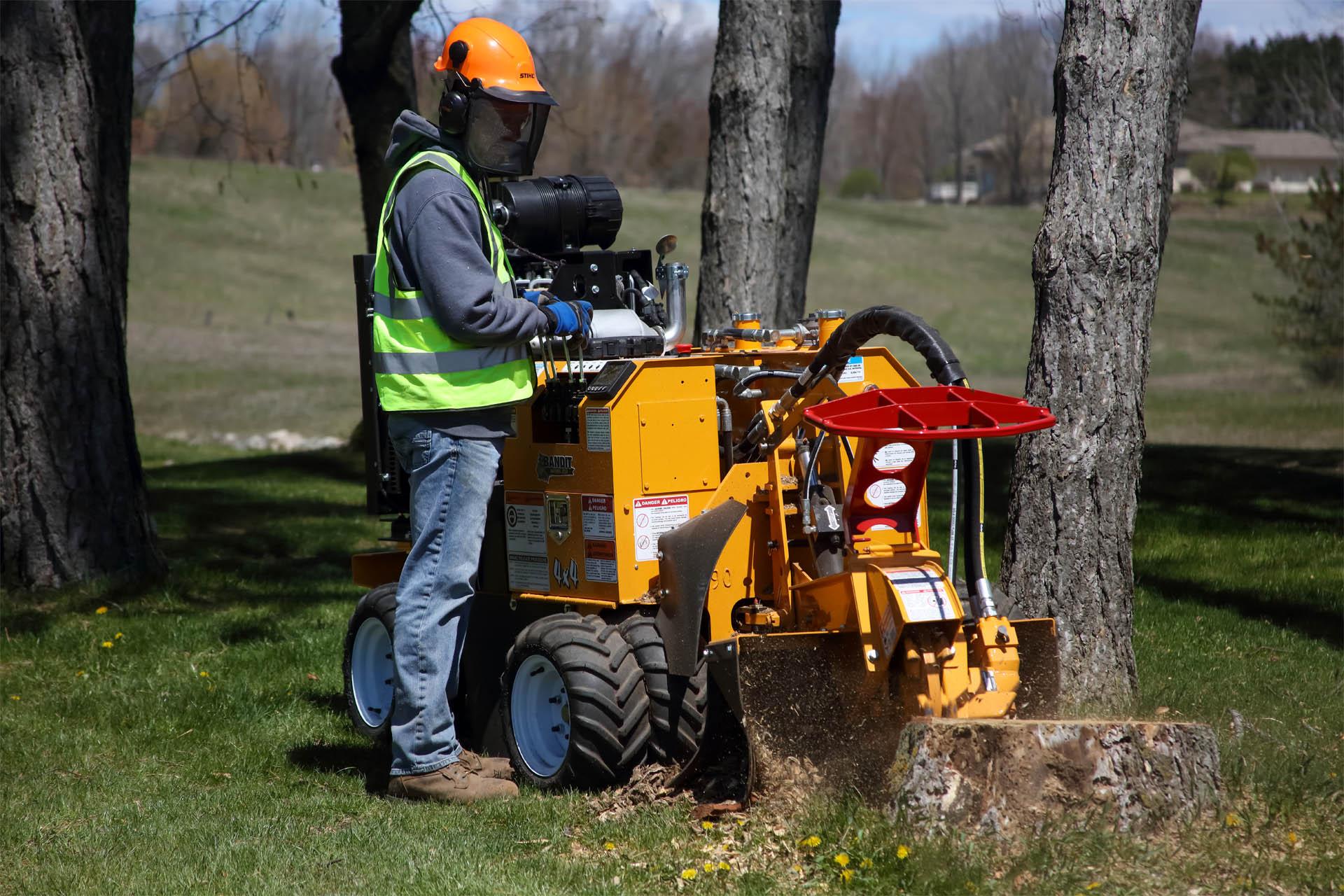
If you’ve identified a dead or failing ash tree on your property, here is what the removal process looks like when you work with Willow River Company.
Initial Assessment
A certified arborist visits the property, evaluates the tree’s condition, assesses the surrounding site for hazards and access, and develops a removal plan. If any question remains about treatment viability, that determination is made here.
Written Estimate
You receive a written proposal covering removal, stump grinding, and debris cleanup before any work begins. No surprises on the day of service.
Scheduling
Most residential ash removals in Hudson, New Richmond, and River Falls can be scheduled within one to three weeks of assessment, depending on season and crew availability. Trees that are actively threatening a structure can be expedited.
Day of Removal
The crew arrives with the equipment appropriate for the site: aerial lift, chipper, and, where required, crane support. The site is protected before cuts begin. Sections of the tree are lowered in controlled sequence rather than felled whole. Debris is chipped on-site and hauled. If you want to retain the wood for firewood, that can be arranged.
Stump Grinding
Scheduled as part of the same service or separately depending on site access and your plans for the area. Stump grinding leaves the area ready for replanting or lawn restoration. For the full picture on tree care services in Hudson, WI, including our arborist assessment process for ash trees that may still be treatment candidates, see our complete tree care guide.
For hazardous tree removal across the St. Croix River Valley, including Hudson, New Richmond, River Falls, Stillwater, Lake Elmo, and surrounding communities, Willow River Company’s certified arborist crews are ready to assess your property and get the work done safely. Willow River Company’s certified arborists assess and remove hazardous ash trees across Hudson, New Richmond, River Falls, Stillwater, and the full St. Croix River Valley. Call (715) 382-9408 (WI) or (651) 703-2761 (MN), or request a free removal assessment online.
Summary
EAB-killed ash trees are brittle, structurally unpredictable, and dangerous. Emerald ash borer tree removal requires professional crews and controlled rigging and never DIY. Trees with over 50% canopy loss are beyond treatment. Professional ash tree removal is the only safe path. Don’t delay as dead ash tree removal costs rise every season.
Tags: