
Tree Care Services: What the St. Croix River Valley’s Certified Arborists Want You to Know
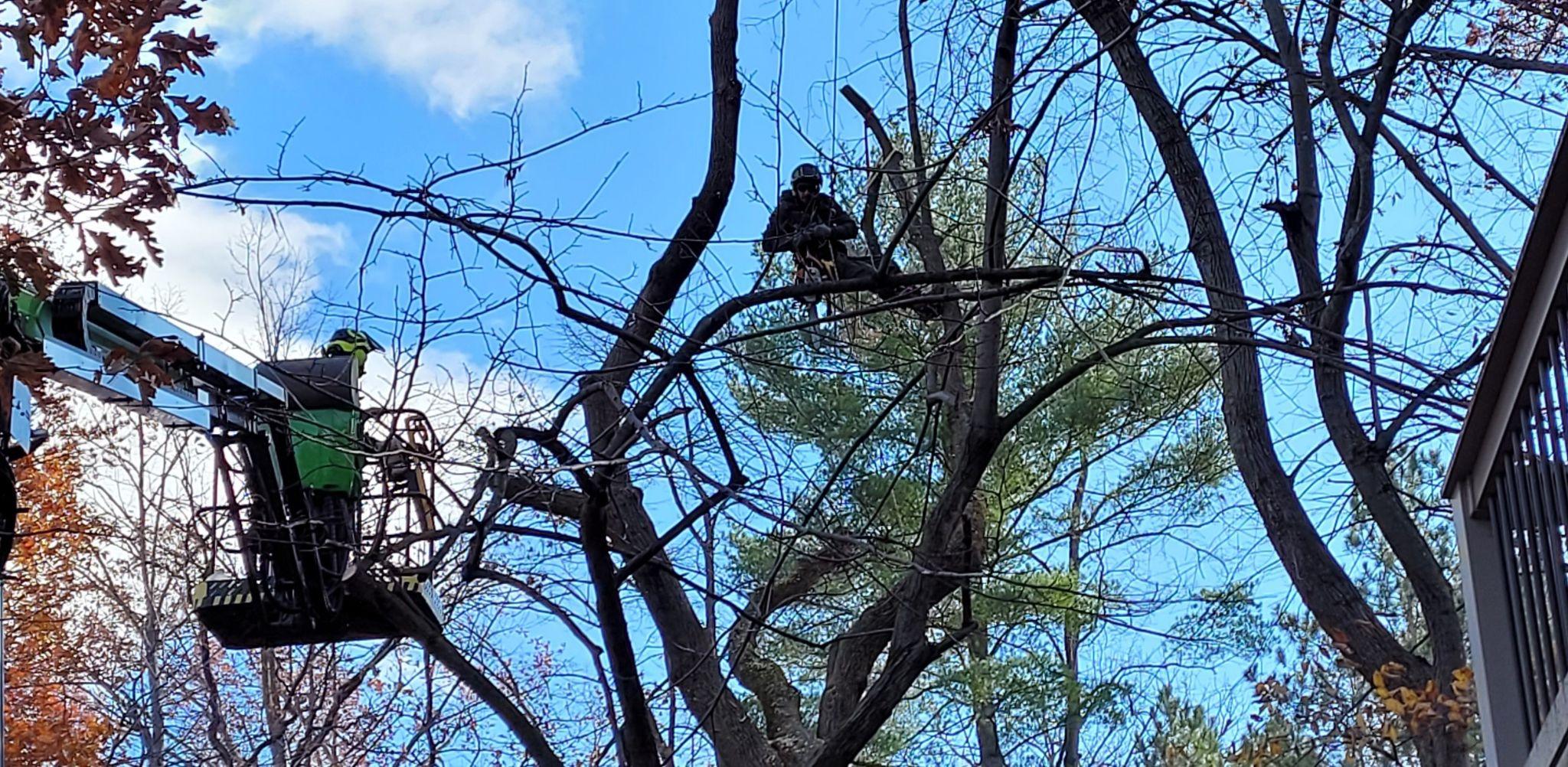
If you own property in the St. Croix River Valley, whether you’re in Hudson, New Richmond, River Falls, or across the river in Stillwater, you already know that mature trees are one of the defining features of this landscape. You might have also noticed something going wrong with the trees in your neighborhood. Maybe a neighbor’s ash came down last summer or there’s a large oak at the back of your lot that didn’t look right coming out of dormancy. You could have seen woodpecker damage on the tree out front and wondered whether you should be concerned.
The answer to most of those questions starts with the same place: professional tree service from a certified arborist who knows this region. A certified arborist can tell the difference between oak wilt and late-season drought stress, and who understands exactly what the Wisconsin DNR’s guidance on that distinction means for your specific trees.
Willow River Company has been providing professional tree service in Hudson, WI, since 1987. This guide covers what our arborists see on properties across Hudson and the broader St. Croix River corridor: the specific threats, the services which address them, and the questions you should be asking before any tree work begins.
Why Trees in the St. Croix River Valley Face Threats That Most National Tree Care Guides Don’t Cover
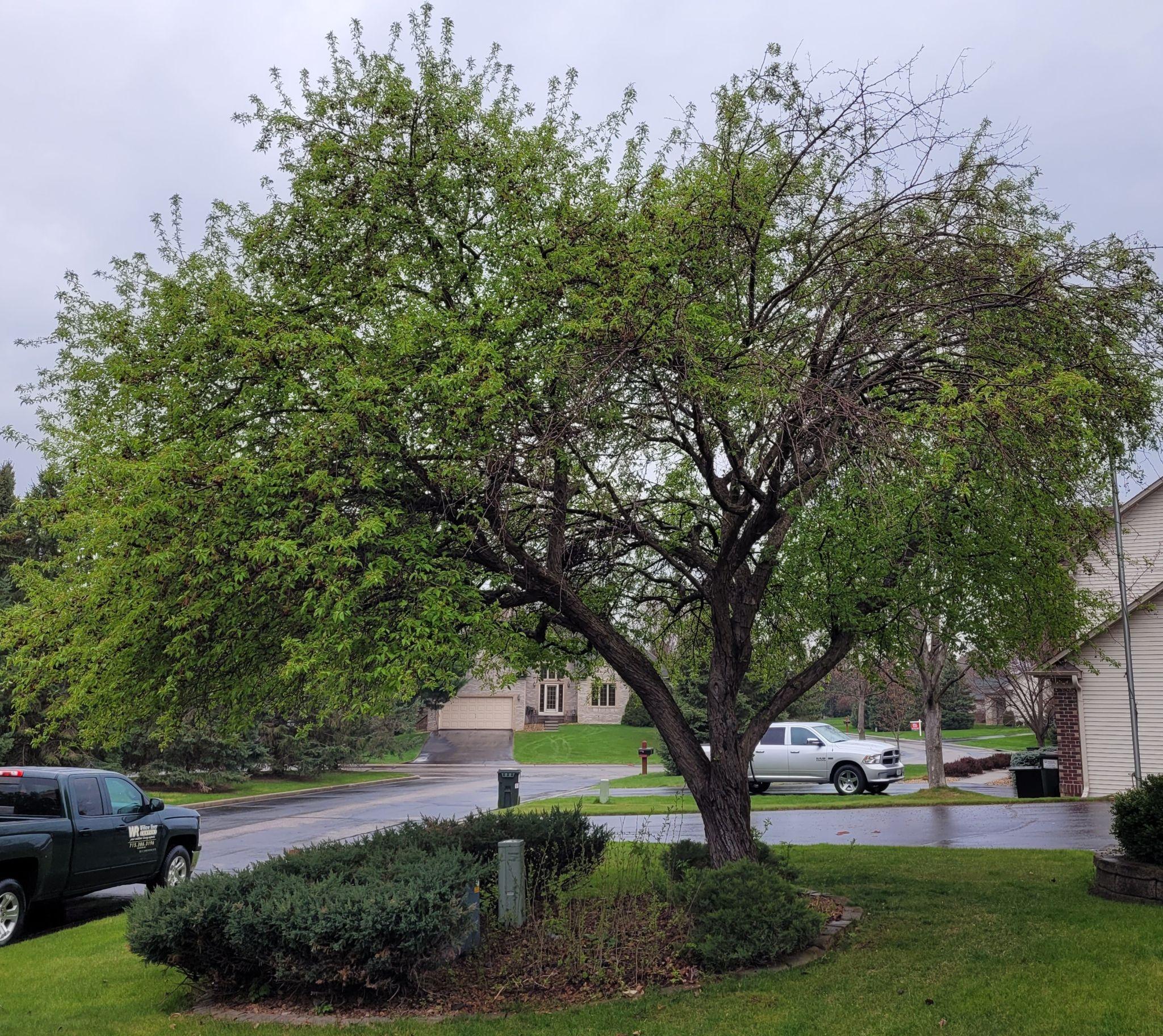
The St. Croix River Valley lies at the geographic intersection of two of the most damaging tree-disease and pest corridors in the Upper Midwest. The oak wilt belt runs directly across the Wisconsin-Minnesota border, St. Croix County, and its counterpart communities in Washington County, MN, are in the heart of it. Emerald ash borer, meanwhile, has been confirmed in every county in Wisconsin. Ash trees in Hudson, New Richmond, River Falls, and Stillwater that have not been professionally treated or removed are either already infested or actively at risk. This is not a theoretical concern. The Wisconsin DNR has documented both threats in St. Croix County specifically, and the numbers have not improved.
Beyond disease and pests, the St. Croix River Valley’s clay-heavy soils create a different set of challenges that sandier metro-area soils simply don’t. Root compaction is more severe here. Soil oxygen depletion, which starves root systems and leaves trees vulnerable to secondary infection. It happens faster and deeper in the clay profiles common to the western St. Croix County bluffs and river terraces. Freeze-thaw cycles are more pronounced in the river corridor than in protected urban areas, and winter desiccation of broadleaf trees is a documented pattern our arborists see every spring.
Mature oaks, ash, American elm, and maple on a Hudson property are not just aesthetic features. They are measurable components of your property’s value. The loss of a 60-year-old bur oak to preventable oak wilt, or a healthy-looking ash to undetected emerald ash borer, is a loss that shows up in appraisals, in the cost of removal, and in the years it takes for a replacement planting to approach what was there.
Tree Treatment Service: What Certified Arborists Can Do That You Cannot

One of the most common misunderstandings we encounter is the belief that professional tree treatment is something a homeowner can handle with a product from the hardware store. For general tree health practices like mulching correctly, adjusting watering schedules, and avoiding soil compaction near root zones, this is true. But a significant portion of the work Willow River Company’s tree service team performs is not DIY territory. Not because we’re guarding a trade secret, but because the materials and the application methods are genuinely restricted.
For example emerald ash borer trunk injection uses emamectin benzoate, a restricted-use pesticide that requires a licensed applicator. The delivery method, high-pressure injection directly into the cambium layer, requires specialized equipment and precise dosing based on tree diameter. Get it wrong and you either underdose (ineffective) or cause injection-site damage that opens the tree to secondary infection. Propiconazole application for oak wilt fungal control is similarly restricted. Deep root fertilization via high-pressure soil injection, requires equipment that no homeowner has sitting in the garage. This process delivers macro and micronutrients directly into the feeder root zone rather than relying on surface application to percolate through compacted clay and is important for your trees’ overall health.
Willow River Company’s full tree treatment service includes:
- Disease Treatment: Oak wilt, Dutch elm disease, fungal infections
- Pest Treatment: Emerald ash borer trunk injection, pine bark beetle, Japanese beetle control, fruit tree insect and disease treatment
- Soil Health: Deep root fertilization via high-pressure injection, systemic soil drench, antibacterial treatment
- Winter Protection: Antidesiccant application for broadleaf trees at risk of winter desiccation
- Invasive Species: Buckthorn treatment (cut-stump herbicide application)
- Establishment Support: Transplant root stimulant for newly planted trees
The timing and sequencing of these treatments matter as much as the application itself. Our arborists don’t prescribe treatments in isolation. They assess the full picture before recommending a program. For properties with significant tree cover, Willow River Company’s WRX membership program includes scheduled arborist assessments so that disease and pest threats are identified before visible decline. The difference between a tree that costs $400 to treat and a tree that costs $2,500 to remove is often a single growing season.
Tree Pruning Service in the St. Croix River Valley: Safety, Structure, and Timing
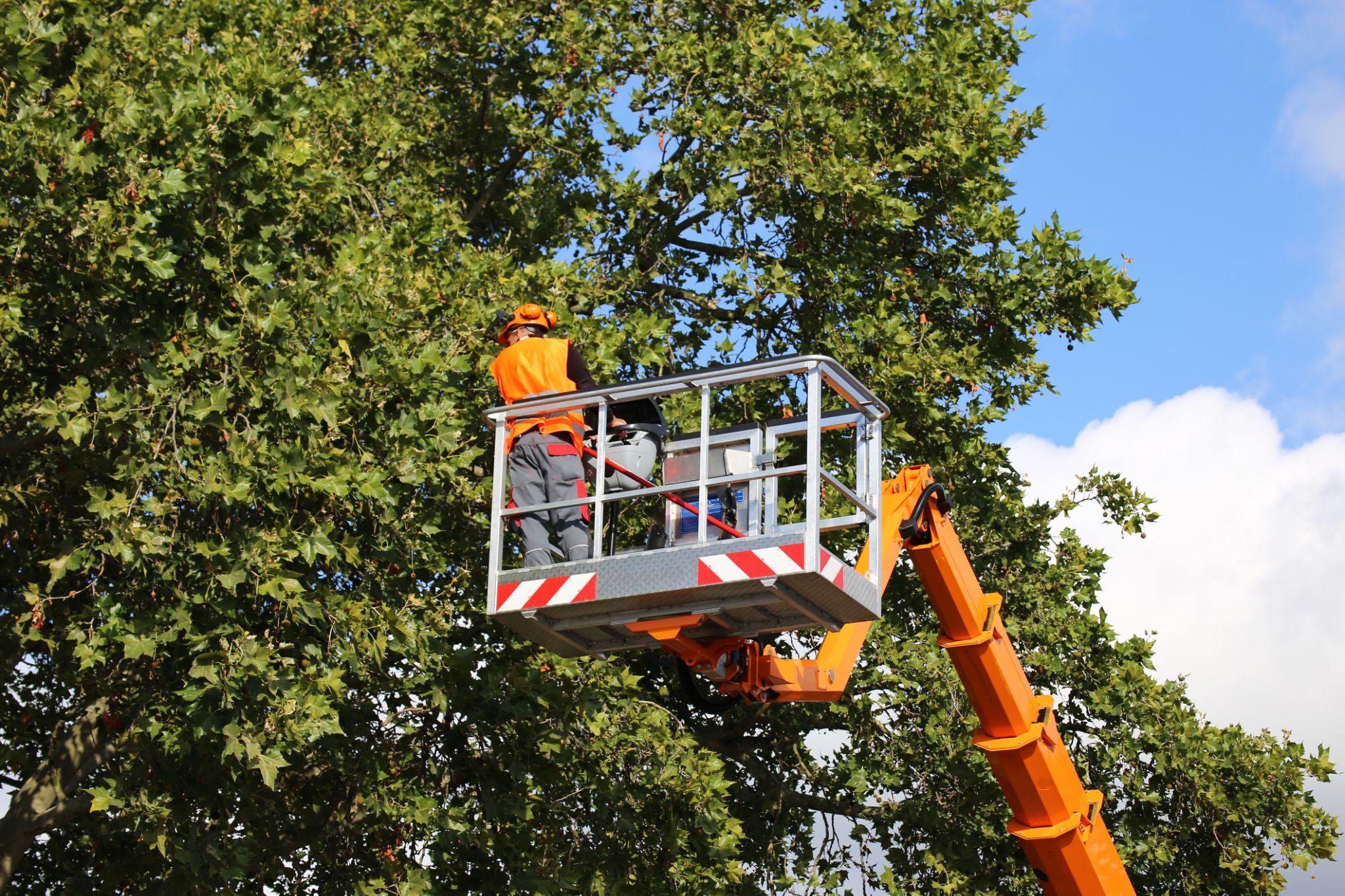
Professional pruning is not a single event. Homeowners often use the word to describe any work that removes branches from a tree, but it serves four distinct purposes and confusing them leads to pruning at the wrong time, in the wrong way, and for the wrong reasons. When you call Willow River Company’s tree service for pruning work in the St. Croix River Valley, the arborist arrives knowing which category applies before any cuts are made.
- Structural Pruning: Shapes the crown to distribute load and prevent catastrophic branch failure under the wind and ice conditions common in the St. Croix River corridor.
- Clearance Pruning: Removes branches that encroach on structures, power lines, or sightlines. This is primarily a safety and liability issue, and it requires a certified arborist to assess.
- Health Pruning: Removes dead, diseased, or crossing branches that compromise the tree’s vascular system. Dead wood removal is not just a matter of aesthetic, it is about removing an entry point for fungal infection.
- Aesthetic Pruning: Thins the crown for light penetration and visual balance. A certified arborist will always address structural and health concerns before aesthetic ones.
The rule that St. Croix River Valley homeowners cannot ignore:
Do not prune oak trees between April and September.
This is a Wisconsin DNR-specific guideline for the oak wilt corridor that runs directly through St. Croix County. During this window, sap beetles are actively feeding on fresh tree wounds and carrying oak wilt fungal spores from infected trees to healthy ones. A pruning cut made on a healthy red oak in late May is an open invitation. In some cases, a single pruning event during this period has been enough to introduce oak wilt to a previously healthy tree.
Outside that window, winter pruning, December through February, is the best timing for most species in the St. Croix River Valley. Trees are fully dormant. Disease transmission risk is at its lowest. Without foliage, our arborists have a clear view of branch structure, codominant stems, and potential failure points that are invisible during the growing season.
Emergency Pruning After Storm Events
Standard timing guidelines do not apply to storm-damaged trees. After a significant wind event or ice storm, and the St. Croix River corridor sees several serious ones each season, the goal is immediate hazard removal and structural stabilization. Willow River Company provides emergency response for storm-damaged trees across Hudson, New Richmond, River Falls, and the surrounding communities. For more information, check our residential pruning service, which includes what to expect during an assessment.
Tree and Stump Removal Service: When It’s the Right Decision
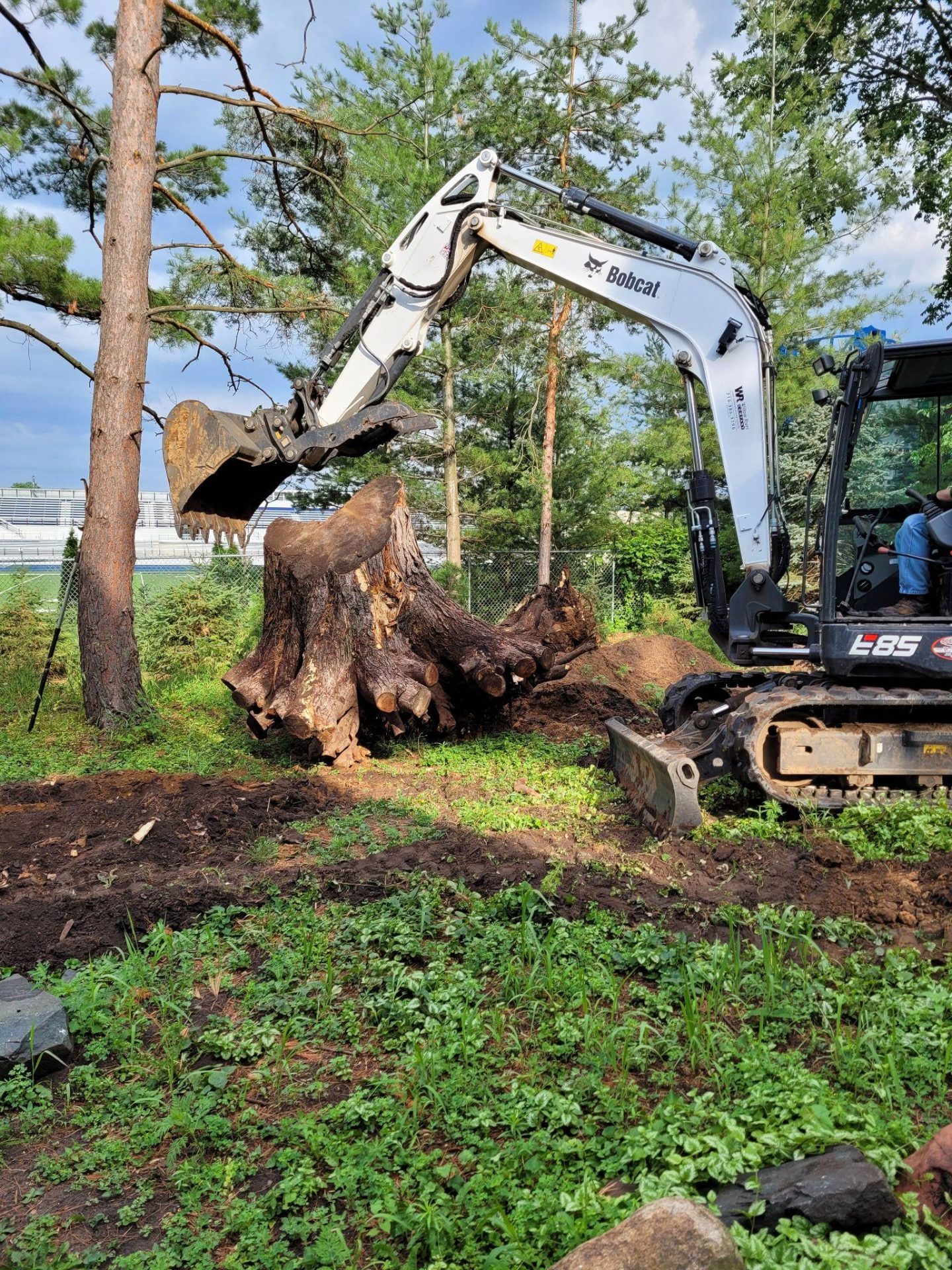
Our arborists will never recommend removal if treatment or structural intervention is viable. That is a principle the Willow River Company tree service team has held since the company was founded, and it reflects a simple reality: removal is expensive, irreversible, and represents the loss of something that took decades to grow. We recommend it when it is genuinely the right answer, not as a default or an easy solution.
For homeowners researching tree and stump removal in western Wisconsin or across the river in Minnesota, it helps to understand exactly what triggers that recommendation.
Removal is the correct decision when:
The tree is structurally compromised beyond viable treatment, a trunk with significant internal decay, a root system damaged by construction, or a lean that has developed over a short period and indicates root failure. The disease has progressed to the point where treatment cannot reverse decline. Late-stage oak wilt in a red oak that has lost more than 60% of its canopy is beyond treatment. An ash with advanced emerald ash borer infestation and significant crown dieback is not a candidate for injection, it is a hazard. The tree poses a direct structural risk to a building, utility line, or frequently occupied space.
Buckthorn is a separate category. Invasive common buckthorn has spread aggressively across St. Croix County properties over the past two decades, and its removal is a specialized service. Cutting buckthorn without treating the stump with herbicide immediately after cutting causes aggressive re-sprouting. Willow River Company’s buckthorn removal service includes cut-stump herbicide treatment and restoration of the cleared area. For more on the process, see our tree and stump removal page.
Stump Grinding vs. Full Stump Removal
Stump grinding, which removes the visible stump to slightly below grade, is sufficient for most removal situations. Full stump removal, which extracts the root ball, is rarely necessary unless the area is being replanted or re-graded. For buckthorn stumps, the more important factor is herbicide treatment of the root collar immediately after cutting. Grinding alone does not stop resprouting without chemical treatment.
For our complete guide on when and how to approach tree removal service in Hudson, WI, including what the removal process looks like from assessment to restoration, see our dedicated removal guide.
Tree Services and Health Care in the St. Croix River Valley: What to Watch For
Use this section as a starting point if you are not sure what you are looking at. These are the most common presentations our arborists encounter across Hudson, New Richmond, and the surrounding communities. None of these are definitive diagnoses, they are indicators that warrant a professional assessment.
Emerald Ash Borer Treatment: Signs Your Ash Tree Needs Attention
Ash tree with a thinning upper canopy, bark that is splitting or cracking, and significant woodpecker activity on the trunk; this is the classic presentation of an emerald ash borer infestation. Woodpeckers are excavating larvae from beneath the bark; their presence is actually a diagnostic sign. Every untreated ash in St. Croix County is at risk. Injection treatment is highly effective if begun before the tree loses more than 30–50% of its canopy. Beyond that threshold, removal is generally the safer path. Do not wait, one growing season of progression can move a treatable tree past the window.
Oak Wilt Treatment: Identifying Infected Oaks in the St. Croix River Valley
Oak with wilting, browning leaves that started at the crown tips in late spring or early summer and the leaves are still hanging on the branches rather than dropping. Leaves that wilt, brown, and remain attached are the signature symptom in red oaks. Red oaks can die within weeks of infection during the active growing season. White oaks show a much slower, more diffuse decline. If your oak shows these symptoms, do not prune it; contact an arborist immediately.
Yellowing Leaves and Poor Growth: Soil Health Problems
This presentation, without obvious pest damage or disease symptoms, typically indicates a soil health issue: compaction, nutrient deficiency, or pH imbalance. Clay-heavy soils in western St. Croix County are particularly prone to compaction around the root zone. Deep root fertilization via high-pressure injection addresses this directly by delivering nutrients past the compacted layer into the active root zone.
Dead Branches, Leaning Trunks, and Storm Damage: When to Act Immediately
A leaning trunk that was not there before a recent wind event, a major limb with a visible crack at the attachment point, or bark damage at the base of the trunk that exposes the cambium layer. Any of these warrants an immediate arborist assessment. Hazard trees near structures or high-use areas do not follow a convenient timeline.
Buckthorn Spreading Across Your Property
Common buckthorn is a Category 1 invasive species in both Wisconsin and Minnesota, and it spreads aggressively along fence lines, property edges, and tree lines throughout St. Croix County. If you are seeing dense, thorny brush with opposite leaves and persistent dark berries moving into your tree line, have it assessed before it establishes further. Check out our tree stump removal service for more information.
What to Expect From a Certified Arborist in Hudson, WI
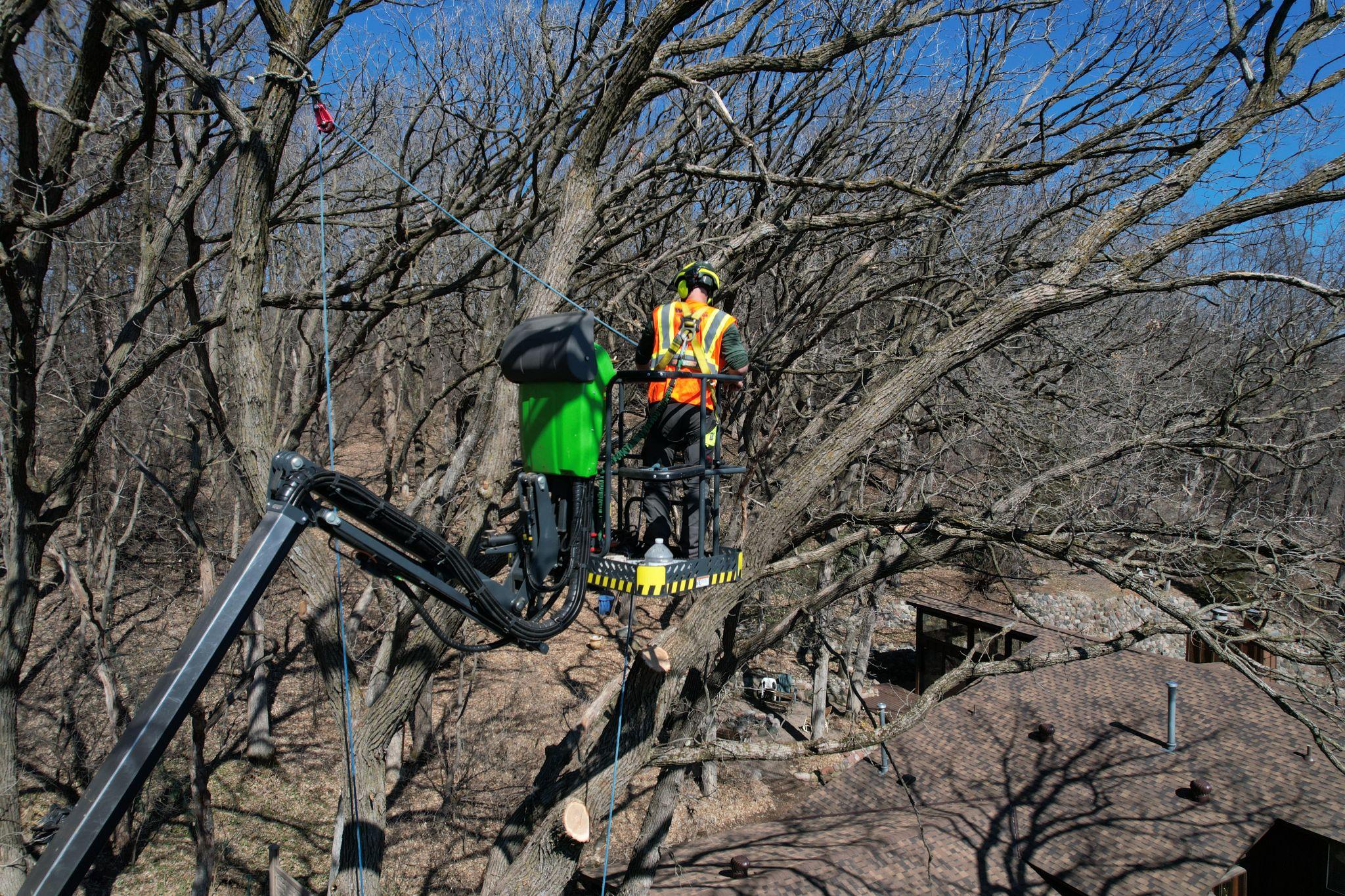
The assessment process is straightforward. One of Willow River Company’s certified arborists visits your property, looks over the trees of concern with you, and evaluates each one. What they’re looking at includes:
- Crown density and structure
- Any visible symptom of disease or pest activity
- Bark condition
- The area around the root collar
- Soil condition
- Where relevant, proximity to structures or utilities
At the end of the assessment, you get a written proposal with a clear explanation of what was found, what the recommended treatment or intervention is, why that approach is appropriate for this tree and this site, and what the cost will be. No high-pressure upsells. No vague recommendations. If a tree is healthy and needs nothing, we will tell you that.
One recommendation we make consistently to Hudson homeowners with significant tree cover: don’t wait for a visible problem. A proactive annual arborist walk-through for a property with mature oaks, ash, or elm catches developing disease and structural issues in the window where intervention is still effective and affordable.
For properties enrolled in the Willow River Experience (WRX) program, proactive monitoring is built into the annual service schedule. Arborists assess trees on a regular basis as part of your ongoing property care, not only when you call because something looks wrong.
On the cost question: tree service pricing varies significantly based on the type of work (treatment, pruning, removal), the size and species of the tree, site accessibility, and the number of trees being serviced. The most useful first step is always an on-site assessment. That is the only way to give you an accurate number.
Request a Free Arborist Assessment for Your Hudson, WI Property →
Frequently Asked Questions About Tree Care in the St. Croix River Valley
When is the best time to prune trees in western Wisconsin?
For most species in the St. Croix River Valley, winter pruning (December through February) is the optimal window. Trees are fully dormant, disease transmission risk is minimal, and the absence of foliage gives arborists a clear view of branch structure and potential failure points.
Do not prune oaks between April and September in the St. Croix River Valley. The Wisconsin DNR recommends avoiding this window because sap beetles, which are actively flying and feeding during this period, can carry oak wilt fungal spores from infected trees to fresh pruning wounds on healthy oaks.
Can the emerald ash borer be treated, or does the tree have to come down?
Treatment is both viable and highly effective but timing is everything. Emamectin benzoate trunk injection provides approximately two years of protection per application. Treatment is most effective when initiated before the tree shows significant canopy thinning; once more than 30–50% of the canopy has been lost, the tree’s vascular system is too compromised for injection to reverse the decline.
How do I know if my oak tree has oak wilt?
In red oaks, the most common oak species in St. Croix County, oak wilt presents as rapid wilting and browning that begins at the tips of the upper crown and moves downward. The critical identifying feature: the leaves wilt, turn brown, and remain attached to the branch rather than dropping. Infected red oaks can die within a single growing season.
Do you handle emergency tree removal after storms?
Yes. Willow River Company provides emergency response for storm-damaged trees across Hudson, New Richmond, River Falls, Stillwater, Lake Elmo, and surrounding St. Croix River Valley communities. Our tree service team responds to storm emergencies quickly — call (715) 382-9408 (WI) or (651) 703-2761 (MN).
What is the difference between a landscaper and a certified arborist Near You?
A certified arborist has passed the ISA (International Society of Arboriculture) certification examination, which tests knowledge of tree biology, disease and pest identification, structural assessment, and safe work practices. A general landscaper, even a skilled one, is not trained or qualified to diagnose tree disease, assess structural failure risk, or apply restricted-use pesticides.
When you hire a tree service in the St. Croix River Valley, verifying that certified arborists are on the team is the most important question you can ask. Willow River Company’s arborists assess tree health before any treatment, pruning, or removal recommendation is made.
Willow River Company’s Certified Arborists Have Been Protecting Trees Across the St. Croix River Valley Since 1987

If your trees need a professional set of eyes, Willow River Company’s tree service team covers Hudson, New Richmond, River Falls, Stillwater, Lake Elmo, and the broader St. Croix River Valley on both sides of the Wisconsin-Minnesota border.
Call us at (715) 382-9408 (WI) or (651) 703-2761 (MN), or request a free arborist assessment online.
Summary
Homeowners in Hudson, WI and the St. Croix River Valley face tree threats that generic guides overlook: emerald ash borer infestations, oak wilt spreading through connected root systems, and clay-heavy soils that accelerate root compaction and nutrient depletion. Willow River Company’s professional tree service has been protecting properties across western Wisconsin and eastern Minnesota since 1987, offering the full range of interventions required to address these regional threats.
This guide covers what Willow River Company’s certified arborists assess on every property visit: which trees need treatment, which need structural pruning, and which have passed the point where removal is the only safe option. It includes the oak pruning timing restriction that every St. Croix River Valley homeowner should know, a diagnostic section for identifying the most common tree health problems, and a breakdown of what to expect from an arborist assessment.
Whether you need tree treatment service or are watching an ash tree decline and aren’t sure what comes next, the first step is a professional assessment. Willow River Company’s arborists serve Hudson, New Richmond, River Falls, Stillwater, and the surrounding communities.
Tags: