
Watering New Trees And Drought Stress: Schedules That Work
Planting new trees is an investment in shade, beauty, and long-term value for your property. But many trees fail in their first year because they don’t get the right amount of water. Inconsistent moisture stresses young roots, leaving them too weak to anchor and thrive.
The challenge is figuring out how often to water new trees without overdoing it. Too little water leads to wilt and drought stress, while too much suffocates roots. Add in heat waves, soil differences, and busy schedules, and watering becomes confusing.
The solution is a simple, consistent plan that balances soil type, weather, and tree size. In this blog, you’ll learn how to create a watering newly planted trees schedule, use deep-watering techniques, and spot drought stress in trees symptoms early.
How Do You Set A Watering Schedule For The First 12 Months?
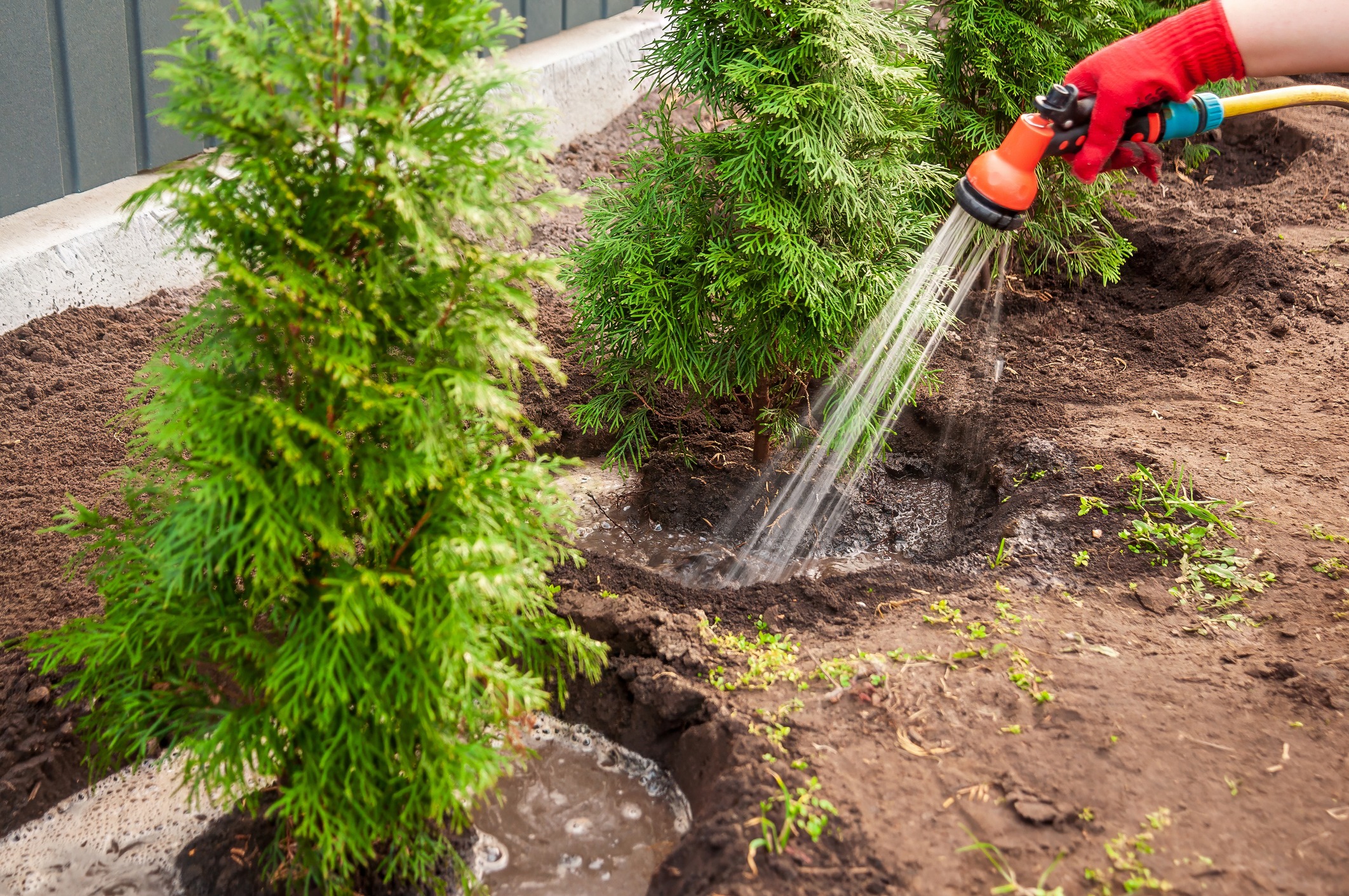
The first year shapes a tree’s long-term health. Roots need consistent moisture while they establish, and your watering habits make all the difference.
A good watering newly planted trees schedule looks like this:
- First 2 weeks: Water daily in hot, dry weather. Keep soil moist, but avoid soggy conditions.
- Weeks 3–12: Water every 2–3 days, letting soil dry slightly between sessions.
- Months 4–12: Shift to once a week, adding water more often during dry spells.
In general, newly planted trees need 5–10 gallons per watering, depending on size. Always check soil 2 inches down. If it feels dry, it’s time to water.
Following this routine gives your trees stronger roots, steadier growth, and better resistance against stress.
What Are The Best Deep Watering Methods For Trees?
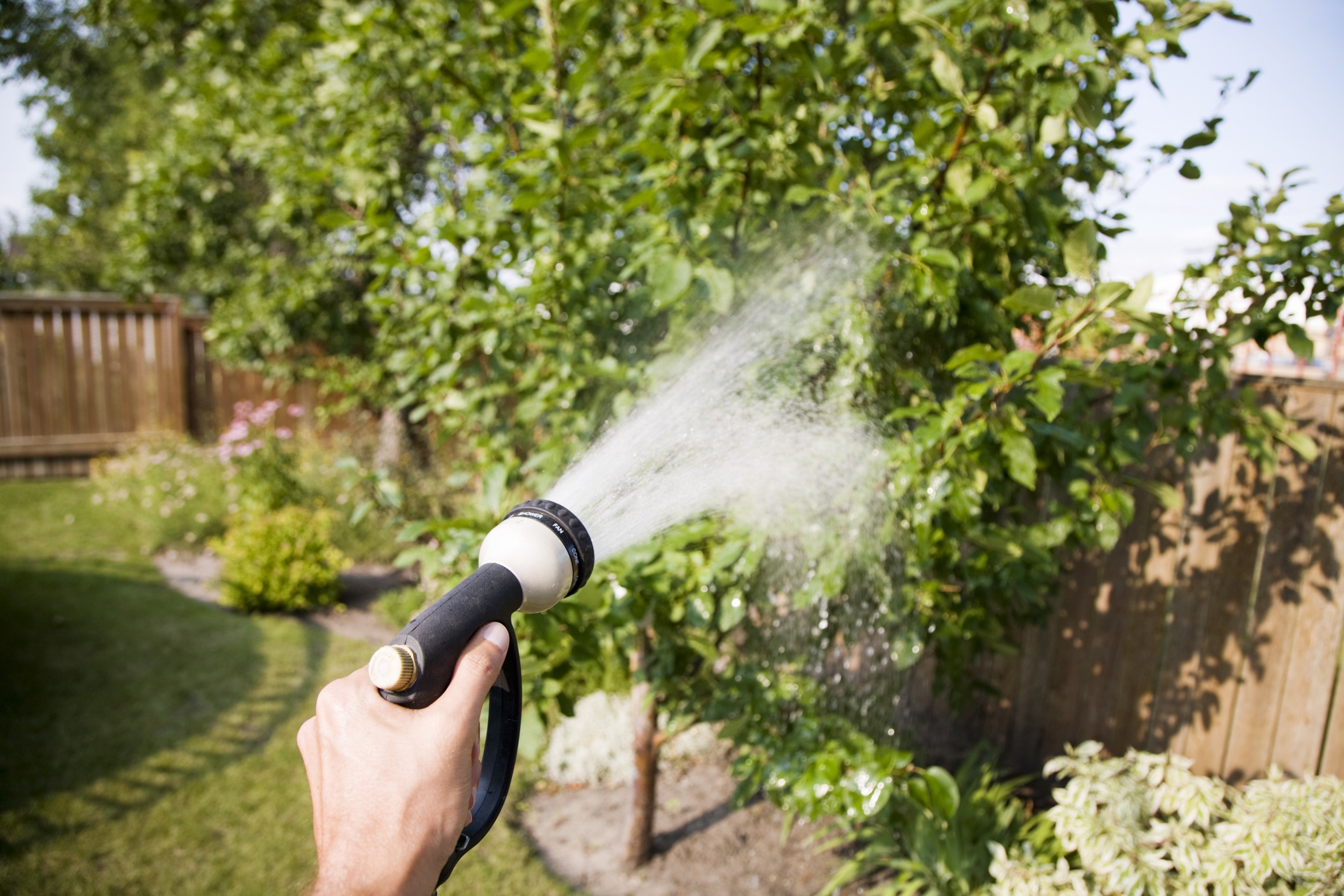
A quick spray with a hose isn’t enough to keep young trees alive. Surface watering only wets the top inch of soil, which dries quickly under sun and wind. What your trees really need is water that sinks 8 to 12 inches down where the roots grow and anchor. That’s why deep watering trees is one of the most effective techniques for building strength and resilience. By delivering water slowly and evenly, you help roots grow downward, making trees more stable and less vulnerable to drought.
Soaker Hoses For Even Coverage
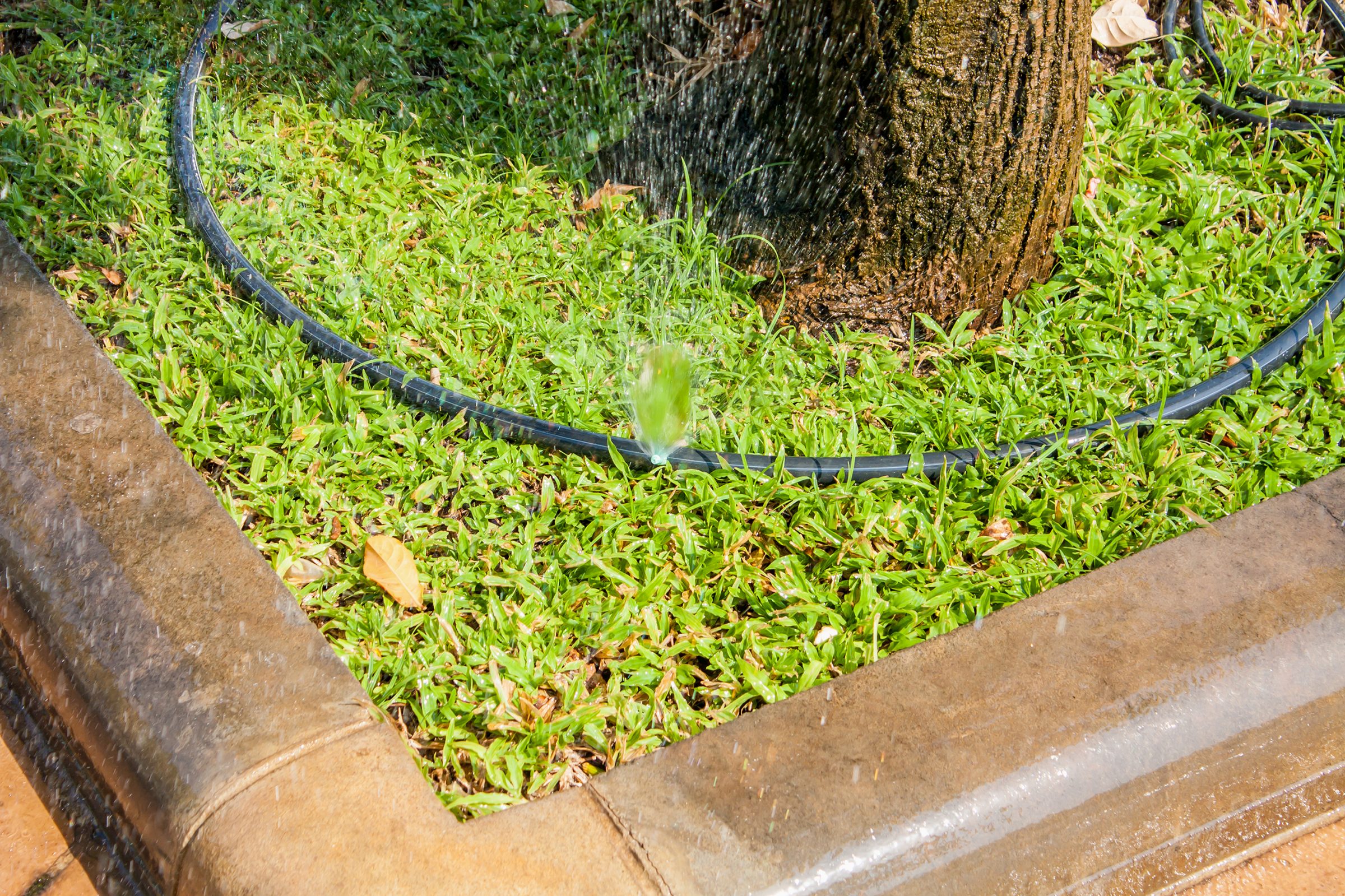
Soaker hoses are one of the simplest tools for deep watering. They release water gradually along their entire length, ensuring the soil around the base stays moist. Place the hose in a circle around the drip line of the tree, not directly against the trunk, and let it run for 30–60 minutes. This method gives you wide coverage while minimizing wasted water.
Drip Irrigation For Precision
If you want control over exactly where water goes, drip irrigation is ideal. Emitters placed at strategic points release steady drops that soak into the soil. This method is especially useful when trees are planted near flower beds or turf, since you can target the tree’s root zone without overwatering surrounding plants.
Watering Basins For New Trees
For newly planted trees, creating a watering basin is highly effective. Shape a shallow ring of soil or mulch around the planting hole to form a small bowl. When you fill the basin with water, it stays in place and seeps directly down into the root zone rather than running off.
By using methods like soaker hoses, drip irrigation, or watering basins, you encourage deep root growth. Strong roots mean healthier trees that will withstand heat, drought, and storms for years to come.
Tree Watering Bags: When Do They Help & How To Use Them?
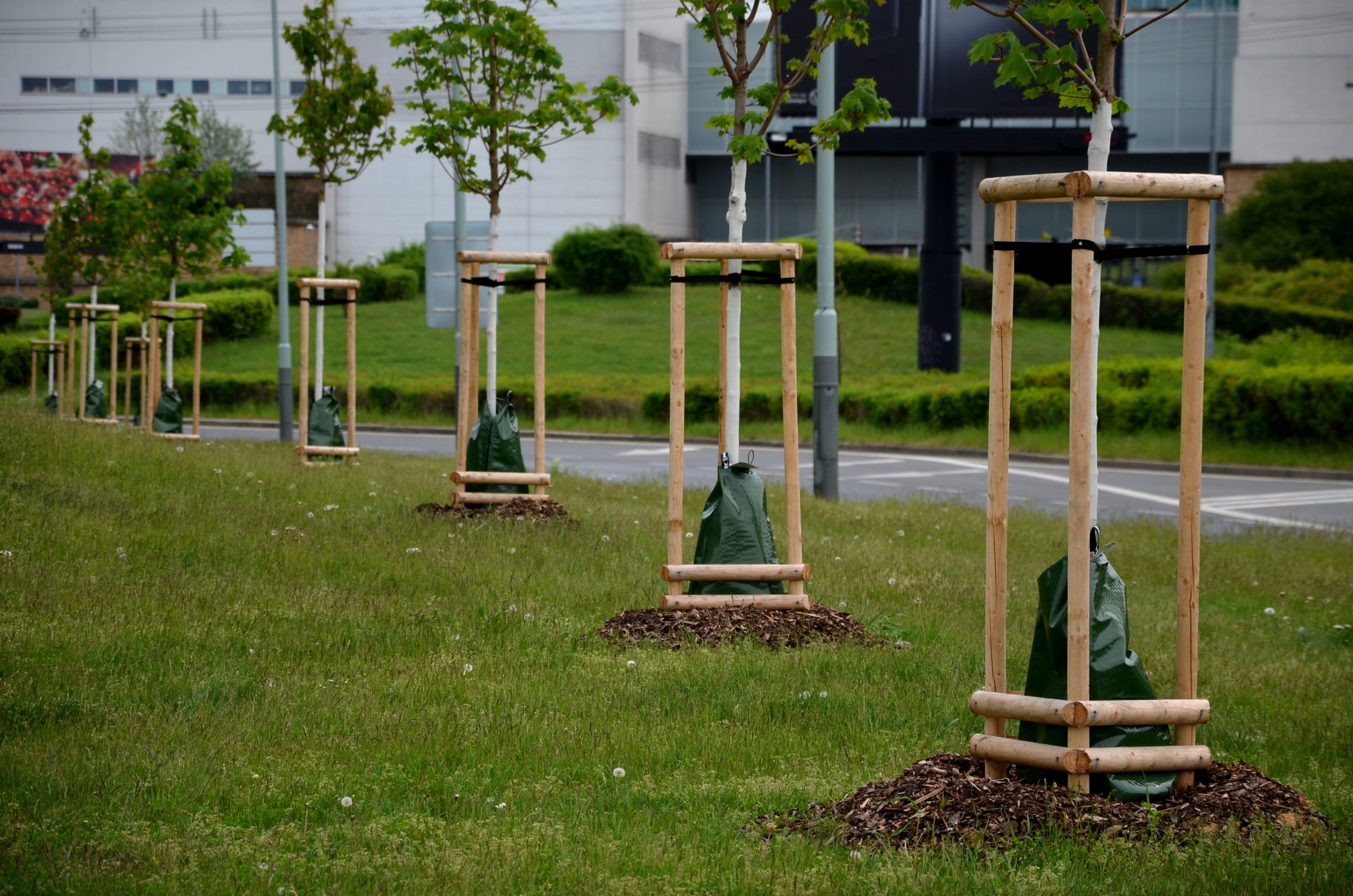
Tree watering bags are designed to make life easier for homeowners. They wrap around the trunk and release water gradually over several hours. This slow release keeps soil evenly moist without pooling.
They’re especially useful for newly planted trees, busy homeowners, or during hot summers when regular watering is harder to maintain. By ensuring steady moisture, watering bags reduce the risk of under- or overwatering.
To use them properly, fill the bag once or twice per week, depending on weather. Make sure it drains completely between fillings to prevent standing water. Combine with mulch to reduce evaporation and keep soil temperature stable.
Tree watering bags are not a replacement for checking soil moisture, but they simplify the process of managing tree watering, so you’re not left asking, “How much water do trees need during their first year?”
What Drought Stress In Trees Symptoms Should You Watch For?
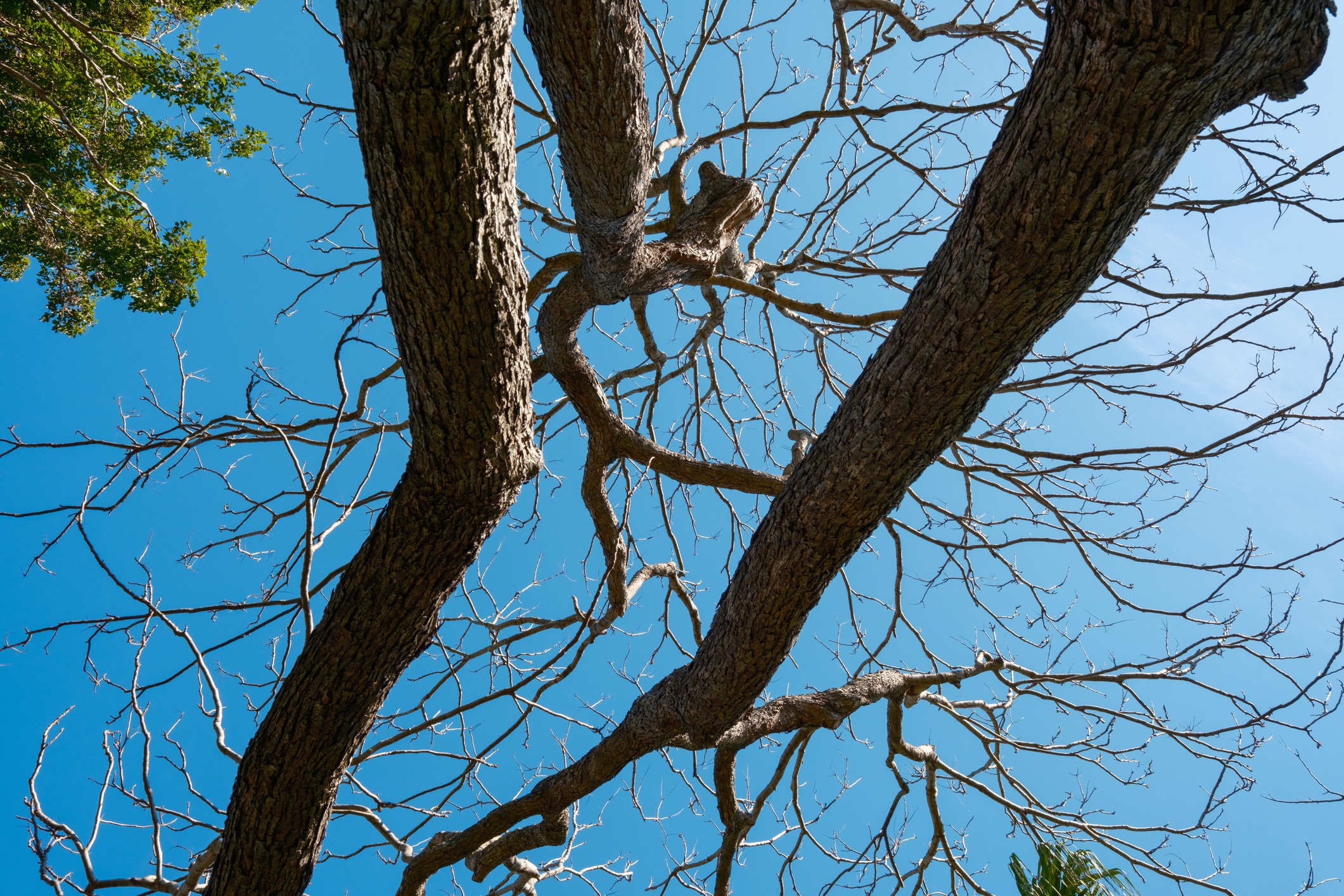
Watering consistently matters because drought doesn’t just dry soil—it stresses the entire tree. When roots can’t access enough water, they can’t transport moisture and nutrients up to the canopy. This creates visible signs that, if ignored, weaken the tree and leave it vulnerable to pests and long-term decline. Knowing the early drought stress in trees symptoms helps you act before damage becomes permanent.
Leaf Wilting & Curling
One of the first signs is wilting leaves. They lose their normal shape and begin to curl along the edges. This happens because the tree is conserving water by reducing the leaf’s surface area. While some wilting may occur in hot afternoons, persistent curling throughout the day signals a moisture shortage.
Yellowing & Premature Leaf Drop
When drought stress continues, leaves often turn yellow and drop early. This is the tree’s way of reducing demand by shedding foliage. While normal fall color is seasonal, mid-summer yellowing or thinning canopies are red flags.
Browning & Scorched Leaf Edges
Another common symptom is browning or “scorching” along leaf tips and edges. This indicates that water movement inside the tree isn’t keeping up with evaporation. On sunny days, you may notice leaves with dry, crisp margins even if soil looks slightly moist.
Reduced Canopy Growth
New shoots and leaves are smaller under drought stress. Over weeks, the canopy may appear sparse compared to earlier in the season. A tree that looks “thin” while neighbors remain full is often struggling with moisture balance.
Long-Term Consequences
If drought stress is not corrected, roots weaken, making trees prone to pests, diseases, and eventual decline. Growth slows, branches die back, and recovery becomes harder each season.
By watching for these drought stress in trees symptoms, you can adjust your watering newly planted trees schedule, increase deep watering trees practices, or add mulch to stabilize soil. Early recognition gives your trees the best chance to recover and thrive long-term.
How Do Soil Type & Slope Affect Watering Plans?
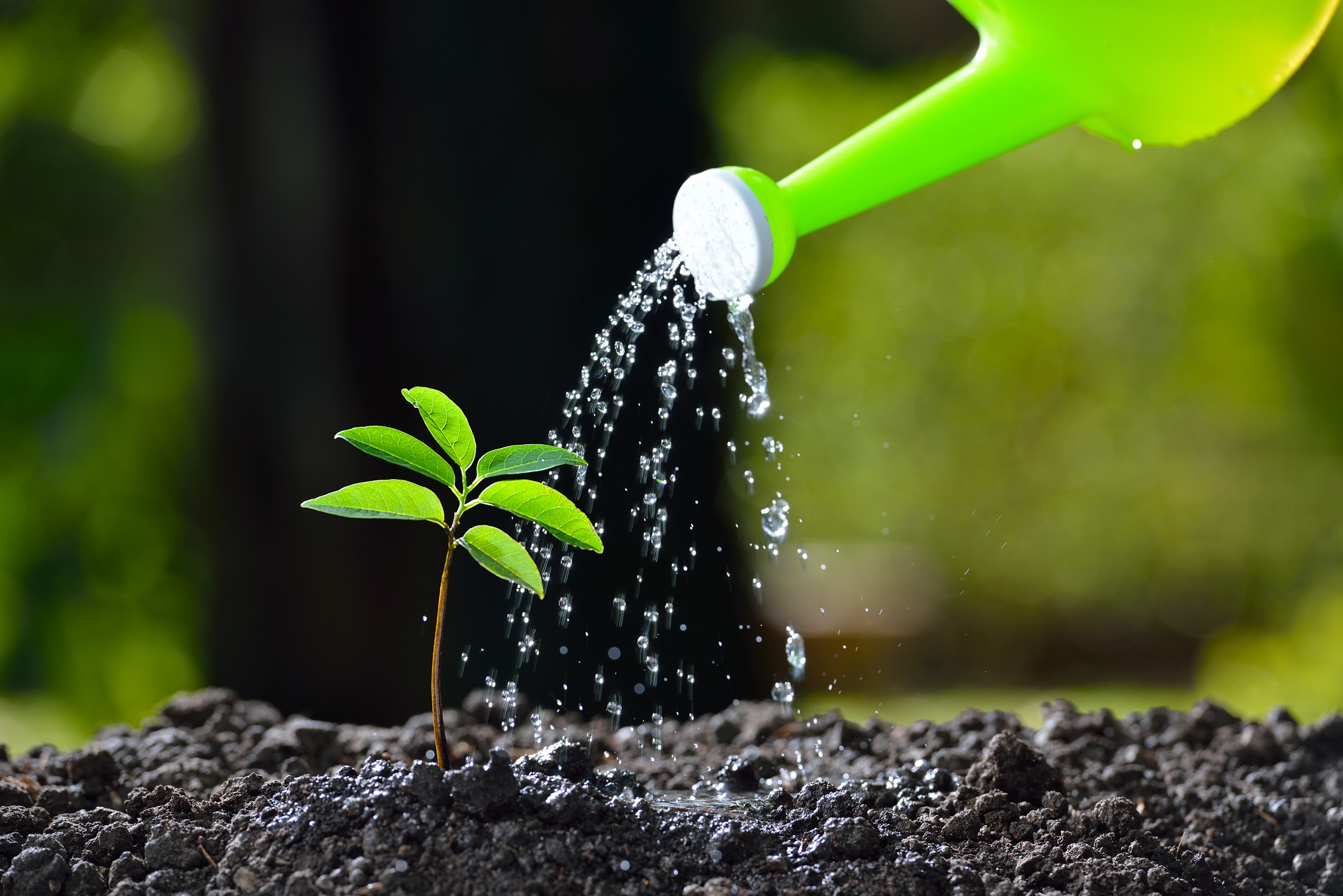
Watering isn’t one-size-fits-all. Soil structure and yard slope change how water moves and how roots absorb it.
- Sandy soils: Drain quickly and dry out fast. Trees here may need more frequent watering.
- Clay soils: Hold water longer but risk root suffocation. Use smaller amounts of water spread over time.
- Loamy soils: The ideal balance, holding moisture without waterlogging.
Slope also matters. On hillsides, water runs off quickly. Create basins or terraces around trees to slow water and encourage deeper absorption.
Knowing your soil type helps refine how often to water new trees so roots get the right balance between moisture and oxygen.
How Should You Adjust Watering During Heat Waves?
Heat waves are stressful for people, lawns, and especially for new trees. High temperatures increase evaporation, dry out soil quickly, and push young roots beyond their limits. Even if you’ve been following a consistent plan for how often to water new trees, heat waves demand adjustments to keep moisture levels stable.
During extended heat, check the soil every day. If it’s dry 2–3 inches below the surface, it’s time to water, even if it’s ahead of schedule. In many cases, watering every 1–2 days becomes necessary until conditions cool. Aim to water early in the morning. This timing reduces evaporation, ensures water soaks in before midday heat, and helps roots store moisture to withstand the hottest hours.
Deep watering matters most during these conditions. Shallow surface watering evaporates quickly and leaves roots vulnerable. Use soaker hoses, drip irrigation, or slow-release basins to push water 8–12 inches into the soil. Adding mulch around the tree base further protects soil by keeping temperatures lower and moisture from evaporating too fast.
Watch closely for drought stress in trees symptoms such as curled or scorched leaves, early yellowing, or leaf drop. These signs often appear sooner in heat waves and signal that water is not reaching the root system effectively. Acting quickly can help the tree recover before the stress causes long-term decline.
Once the heat breaks, return to your normal schedule. The ability to adjust and respond is what ensures survival during tough weather and supports long-term growth.
Your Weekly Checklist For Tree Watering

Watering becomes easier when you follow a checklist. Here’s a routine that works for both new and established trees:
- Check soil moisture 2 inches deep. If it’s dry, water.
- Water slowly and deeply until moisture reaches 8–12 inches.
- Adjust for soil type: sand needs more frequent watering, clay needs less.
- Watch for drought stress in trees symptoms like wilting or leaf scorch.
- Use tree watering bags if you’re short on time.
- Refresh mulch to keep soil cool and damp.
At Willow River Company, you get more than advice, you get dependable service. Our certified arborists, horticulturalists, and irrigation technicians create care plans tailored to your soil, slope, and tree type. You don’t juggle multiple contractors. Instead, you get one trusted team that communicates clearly, shows up in uniform, and completes work on schedule.
Serving Stillwater, Hudson, and the St. Croix Valley, we help homeowners protect their investment by ensuring trees receive the right care from planting through maturity.
Ready for expert guidance that keeps your trees healthy year-round? Request a quote today.
Summary
Learning how often to water new trees is the key to first-year survival. A consistent watering newly planted trees schedule, deep watering techniques, and tools like tree watering bags make the process easier. Watch for drought stress in trees symptoms, adjust for soil and slope, and increase frequency during heat waves. With Willow River Company, you get professional insight, dependable care, and complete services that keep your trees strong season after season.
Tags: