
Tree Roots And Your Property: Sidewalks, Driveways, Foundations
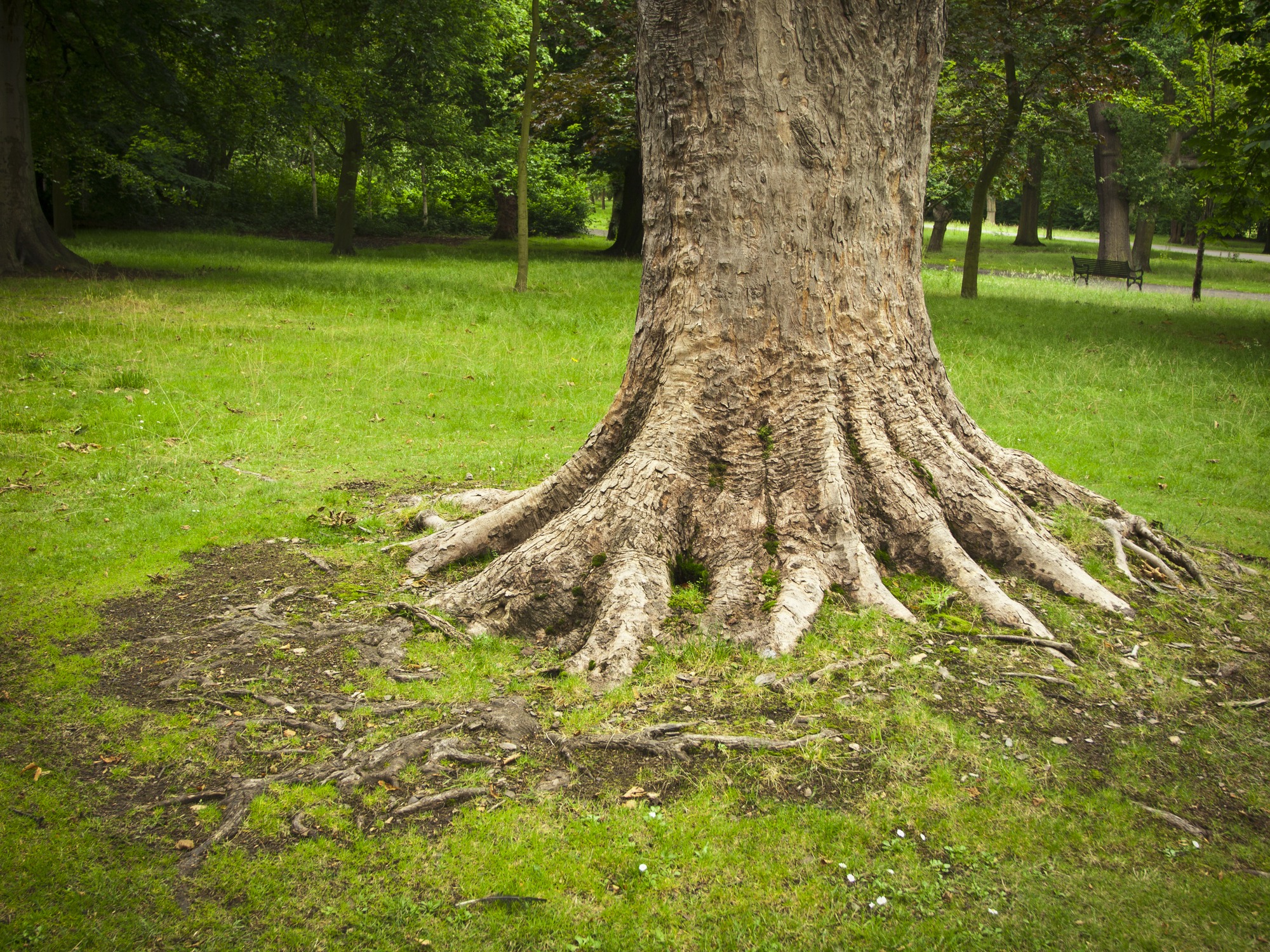
Trees add beauty and shade to your property, but their roots can sometimes cause headaches by tree roots lifting sidewalk sections or cracking driveways. Tree roots naturally seek out oxygen and moisture, often concentrating in the upper soil layers where these resources are abundant. This means roots can extend outward under lawns and paved areas. Over time, those expanding roots may press upward on concrete or asphalt.
The result? You might find an uneven sidewalk, a bumpy driveway, or even hairline cracks in your foundation. It’s a common problem that you might face as a homeowner.
In this blog, we’ll provide practical guidance on preventing and managing root-related conflicts around sidewalks, driveways, and foundations. By understanding the early warning signs and solutions, from installing root barriers to choosing the best trees near driveway areas, you can protect your property and keep your trees and hardscapes healthy.
How Can You Spot Early Signs of Tree Roots Lifting Your Sidewalk?
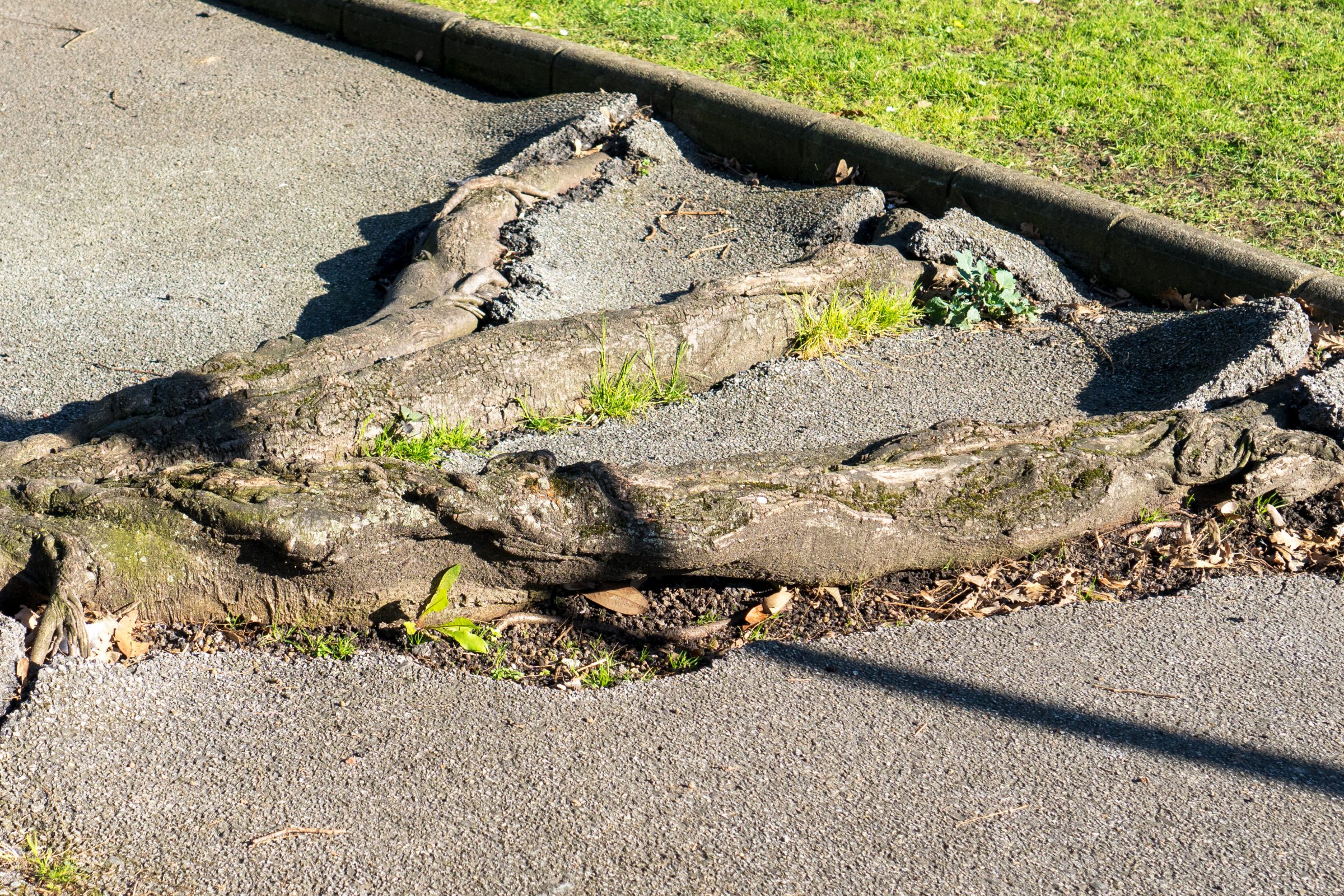
Tree roots rarely damage concrete overnight. Usually, there are early indicators of trouble long before a sidewalk slab gets obviously raised or a driveway cracks apart.
Here are some red flags that suggest roots might be encroaching on your hardscape:
- Small Cracks or Uneven Sections: You may notice hairline cracks in the sidewalk or slight unevenness between sections. This can be an early sign of tree roots lifting sidewalk slabs from underneath.
- Visible Surface Roots Near Pavement: If you see thick roots emerging from the soil nearby or pressing against the base of the sidewalk or driveway, those roots could be on a collision course with your concrete.
- Buckling or Warping in Adjacent Areas: Look at the soil or grass next to the sidewalk. Early mound development beside a walkway or driveway can precede the hardscape itself getting lifted by tree roots.
- Doors or Gates Misaligning (Near Driveways/Patios): If a tree is near your garage or patio, its roots might even subtly shift the ground that those structures sit on. You might find a gate or garage door that starts scraping or doesn’t close smoothly – sometimes an indirect sign of nearby root growth affecting alignment.
When Should You Install a Root Barrier for Trees?
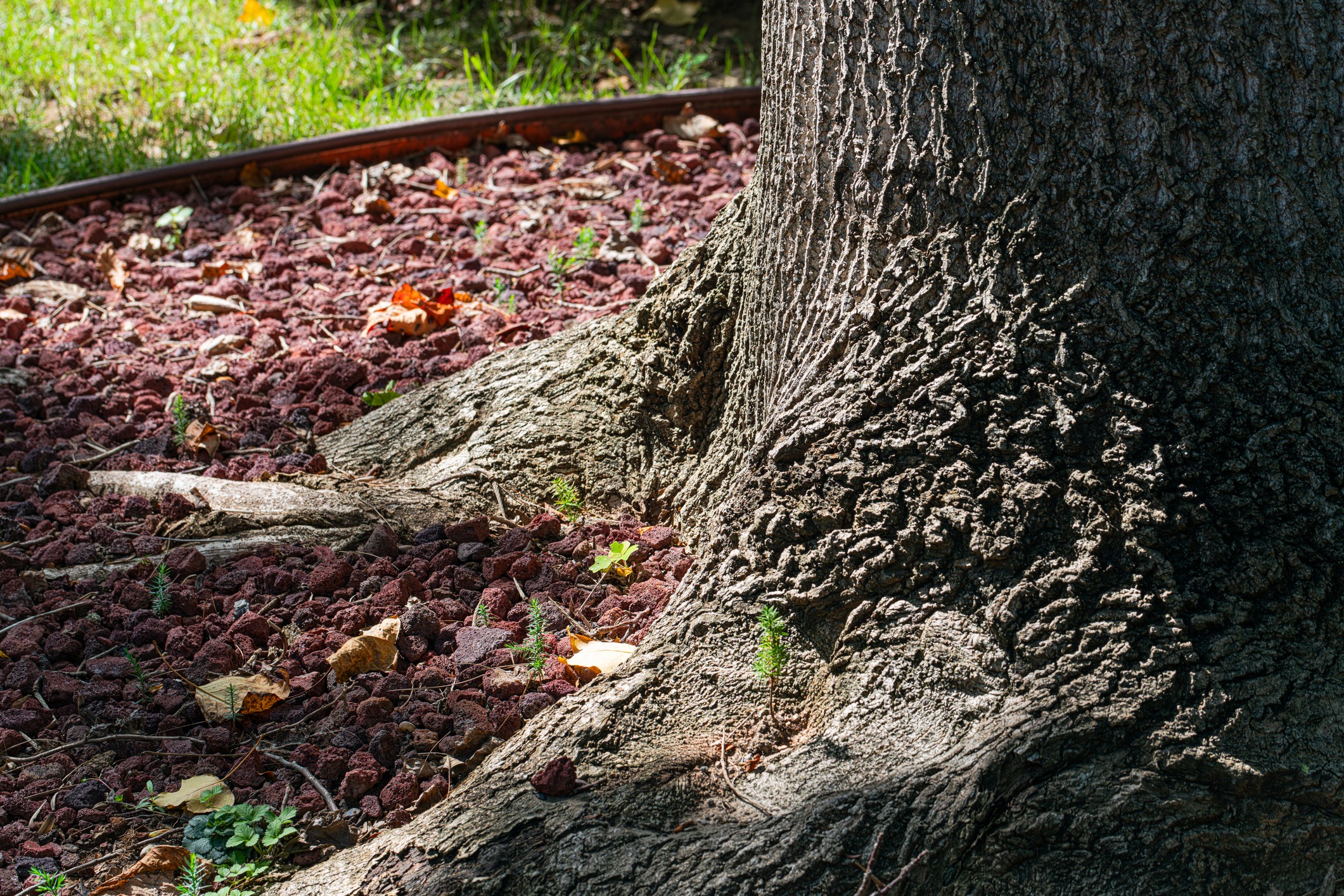
When it comes to preventing tree roots lifting sidewalk sections or damaging driveways, an effective preventative tool is the root barrier for trees.
A root barrier is a physical underground shield (often plastic or fabric panels) placed between a tree and whatever you want to protect (sidewalks, foundations, pipes). It guides roots deeper into the soil or redirects their growth away from structures.
So, when is a root barrier appropriate, and how deep should it go?
Install a Root Barrier
The ideal time to put in a root barrier is when planting a new tree. If you are adding a young tree near a sidewalk or driveway, consider installing a barrier along the side of the tree facing the structure.
This way, as the roots grow, they’re directed downward or away, and you won’t be repairing a sidewalk lifted by tree roots a decade later. However, barriers can also be retrofitted for an existing tree if you notice encroachment.
Ensure the Barrier is Deep Enough
Generally, root barriers should extend 18 to 36 inches deep into the ground. The required depth can depend on the tree species and soil conditions:
- For small ornamental trees or shrubs, about 18 inches depth can stop most of their roots from going under a sidewalk or garden bed.
- For medium-sized shade trees, 24–36 inches is a common recommendation.
- For very large or aggressive-rooted trees (think willows or silver maples), barriers might need to go 3–4 feet deep. In extreme cases or where soil is very loose, up to 60 inches might be used, but that’s usually for industrial-strength solutions.
Consider Installing a Linear barrier
If a tree stands next to a sidewalk or driveway, you don’t always need to surround the whole tree. You can install a linear barrier – basically a straight line of panels – just along the side of the tree facing the concrete.
This way, you’re blocking roots only where needed (and you leave the other sides for the tree to root naturally). This targeted approach is less disruptive and can be quite effective at preventing tree roots from lifting the sidewalk or cracking the pavement on that side.
Is Cutting Tree Roots Near Your Foundation Safe?

Homeowners often worry when they see tree roots near their house foundation or under a sidewalk. It might be tempting to start chopping to protect the structure. But cutting tree roots near foundation walls or other structures is something to approach with caution.
First, know that tree roots rarely crack a solid concrete foundation on their own. Most foundations are too sturdy for roots to puncture. However, roots can exploit existing cracks or gaps. They can also draw moisture from soil under the foundation, potentially causing the soil to shift or settle.
Chopping a large root can indeed stop that root from growing into your foundation or lifting your sidewalk further, but it comes with risks. Tree roots are the anchor and lifeline of the tree. Cutting one close to the trunk (for example, under a foundation or sidewalk just a few feet away from the tree) can remove a significant portion of the tree’s support and nutrient supply. This could lead to parts of the crown (the branches and leaves) dying back or, worse, make the tree unstable in storms.
If a root is small and relatively far from the trunk, cutting it might not cause noticeable harm. But cutting tree roots near foundation areas often involve larger, older roots.
As a rule of thumb, avoid cutting any major root that’s within a few feet of the trunk, or any root more than about 2 inches in diameter, unless absolutely necessary.
Alternatives & Precautions
Instead of immediately cutting a root that’s heading toward your foundation, consider alternatives:
- If the root is not yet pushing on the foundation, you might install a barrier between the tree and the house to guide it away.
- If you must remove a root, have a certified arborist assess it. They can determine if the tree can tolerate that root loss. Professionals use proper techniques for tree root pruning (clean cuts, minimal disturbance) to give the tree the best chance to recover.
- Ensure any small openings or cracks in your foundation or basement walls are sealed. Roots often go where water and air leak out, and fixing leaks and cracks removes the incentive for them to do so.
What Are the Guidelines for Pruning Tree Roots?

When it comes to any kind of root pruning (whether near a foundation, under a sidewalk, or even in your yard), there are some best practices to follow.
These tree root pruning guidelines help ensure you don’t irreversibly harm the tree or create a hazard. If you decide to prune some roots, keep these key guidelines in mind:
- Pruning for minor inconveniences or aesthetics is not worth the potential harm to the tree.
- Do not cut roots that are larger than about 2 inches in diameter. Removing a big, woody root can leave the tree unstable or struggling to get nutrients.
- A common rule is to avoid cutting within a distance of about 3 times the trunk’s diameter (measured at chest height).
- Do not remove more than 15–20% of the tree’s root system in one go.
- The best time to prune tree roots is during late winter or early spring, when the tree is not in active growth. Avoid cutting roots in the heat of summer or drought conditions, which can add extra stress.
- If you do cut a root, make a clean cut with a sharp saw or loppers. Do not tear or chop haphazardly.
- After pruning any roots, keep an eye on the tree’s health over the next few seasons. Watch for signs of stress like wilting, early leaf drop, or dead branches.
How Can You Protect Your Foundation & Utility Lines from Tree Roots?
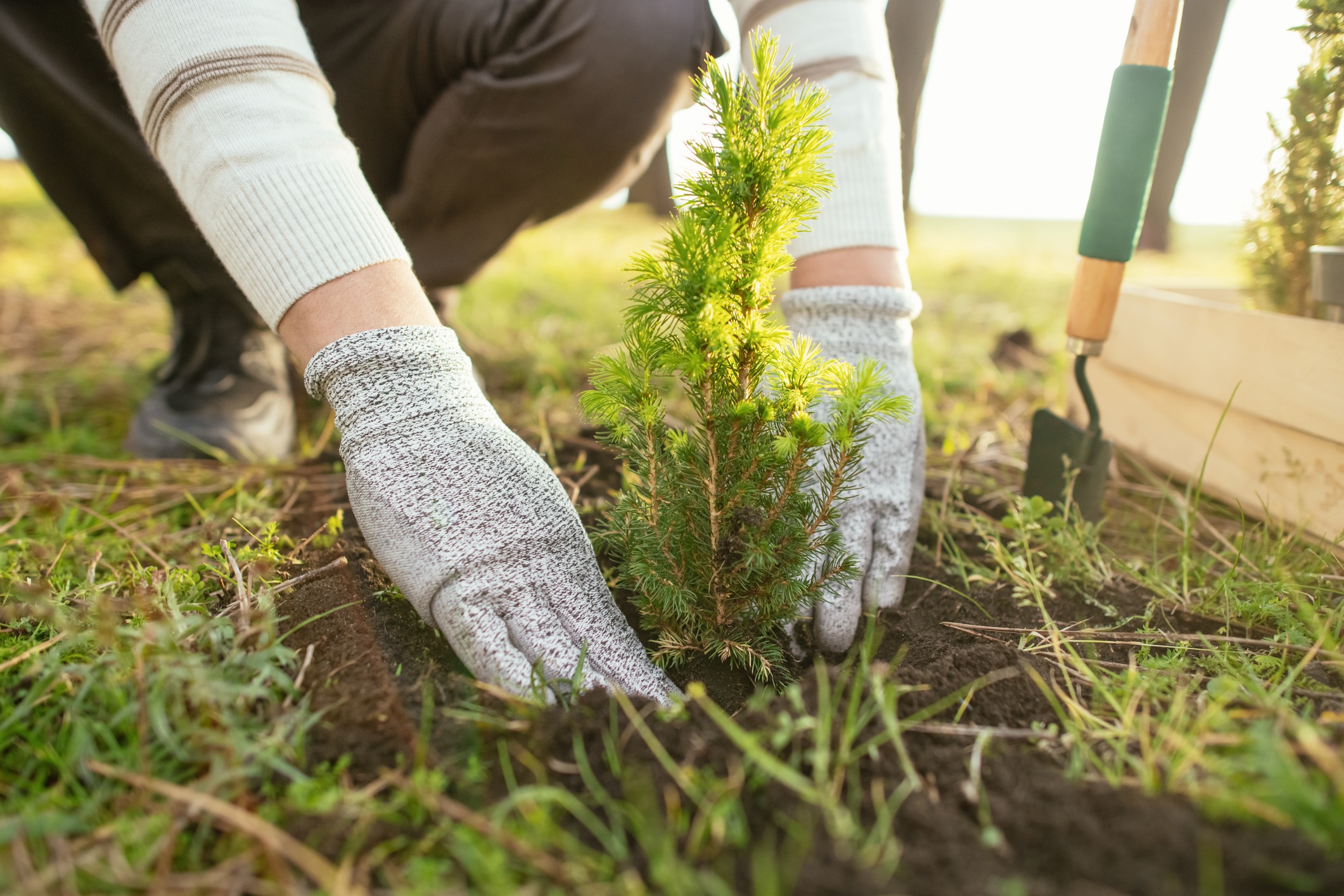
Preventing root conflicts is far less costly than repairing cracked sidewalks, damaged pipes, or shifting foundations. With smart planning and consistent maintenance, you can keep trees and structures in harmony.
Plant at a Safe Distance
When adding new trees, consider their mature size. Large trees should be planted at least 15–20 feet from your house, while even small trees should sit 8–10 feet from sidewalks, driveways, or utilities. Roots spread well beyond a tree’s canopy, so extra distance provides a buffer against tree roots lifting sidewalk slabs or creeping into pipes.
Select the Right Species
Certain trees are more aggressive than others. Avoid shallow-rooted, water-seeking varieties like willows or silver maples near utilities or drain fields, as they easily invade sewer lines. Instead, choose species with slower or deeper root growth—these are safer choices when planting close to driveways or foundations.
Use Root Barriers in Key Areas
A root barrier for trees can redirect roots downward or away from structures. Barriers work well near prized shade trees planted close to foundations or around sewer lines and septic systems. Installing them before roots spread saves major costs later.
Manage Water Sources
Roots follow moisture. Leaky pipes, poor drainage, or gutters dumping water against the foundation invite trouble. Redirect downspouts, fix leaks, and avoid oversaturating soil near the house to reduce attraction.
Inspect & Maintain Regularly
Walk your property and seal small foundation cracks before they widen. If your home has older clay sewer lines, consider lining or replacing them with PVC, which resists root intrusion.
How Can You Repair a Sidewalk Lifted by Tree Roots?
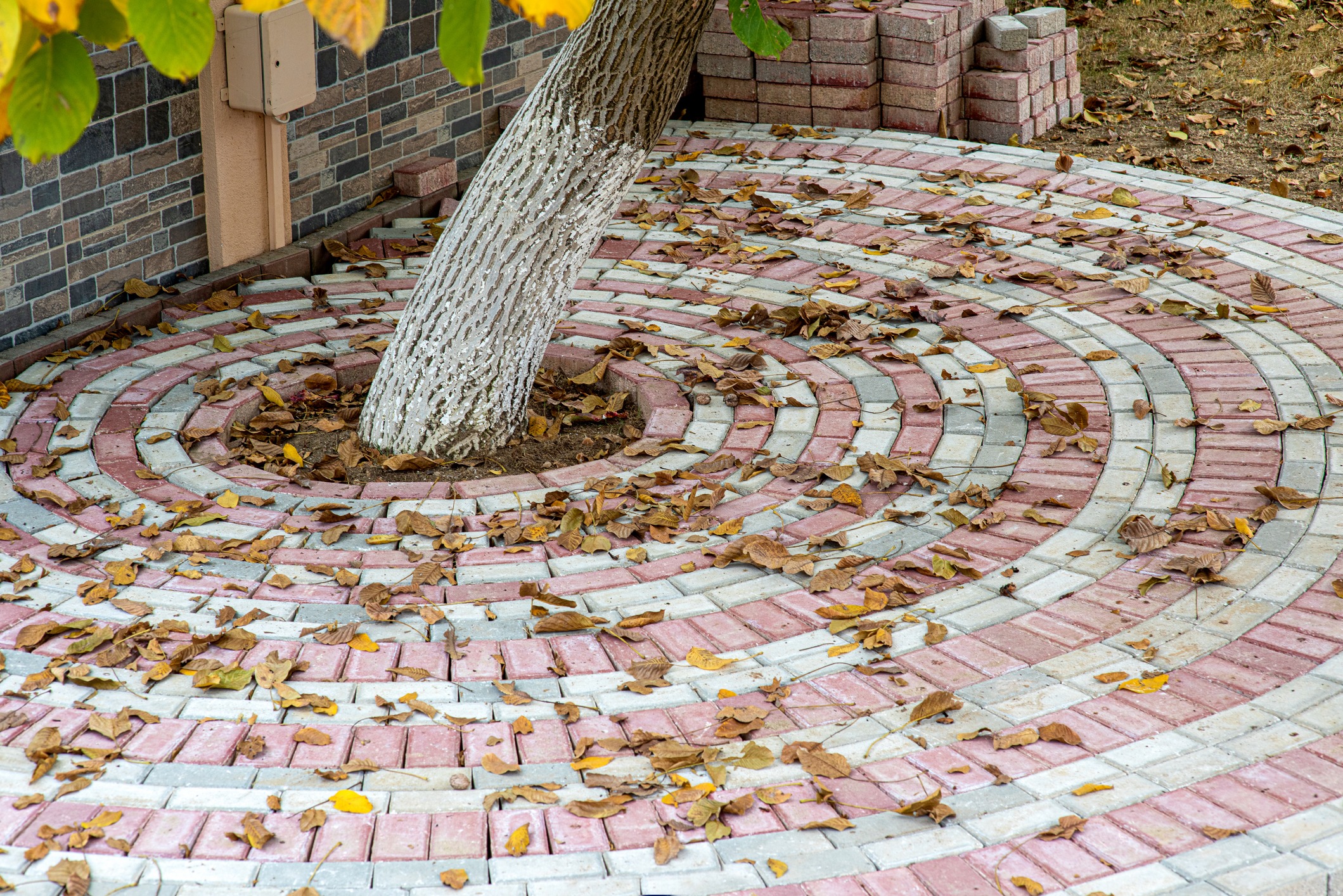
Despite our best efforts at prevention, sometimes tree roots still manage to heave a sidewalk or crack a driveway. If you’re already facing a tree roots lifting sidewalk scenario, what can be done to fix it?
Here are a few strategies to address a sidewalk (or other hardscape) lifted by roots:
- Grind Down or Patch Uneven Surfaces: For a minor lift (say one section of sidewalk raised an inch or two), a short-term fix is to grind or shave down the raised edge. Professionals use concrete grinders to level off the bump, eliminating the trip hazard.
- Bridge Over the Roots: If roots have created a significant hump, consider bridging the sidewalk over them instead of cutting them out. This means redesigning that sidewalk section to gently ramp up and over the root, like a little bridge.
- Reroute or Narrow the Path: In some cases, the best solution is to move the hardscape itself. By giving the tree a wider berth, you remove the direct conflict.
- Use Flexible Paving Materials: When replacing or repairing a root-damaged walkway, consider switching from solid concrete to more flexible solutions. Pavers, bricks, or rubber tiles can flex and accommodate some movement, whereas a single big slab of concrete will crack.
What Are the Best Trees to Plant Near a Driveway to Avoid Root Problems?
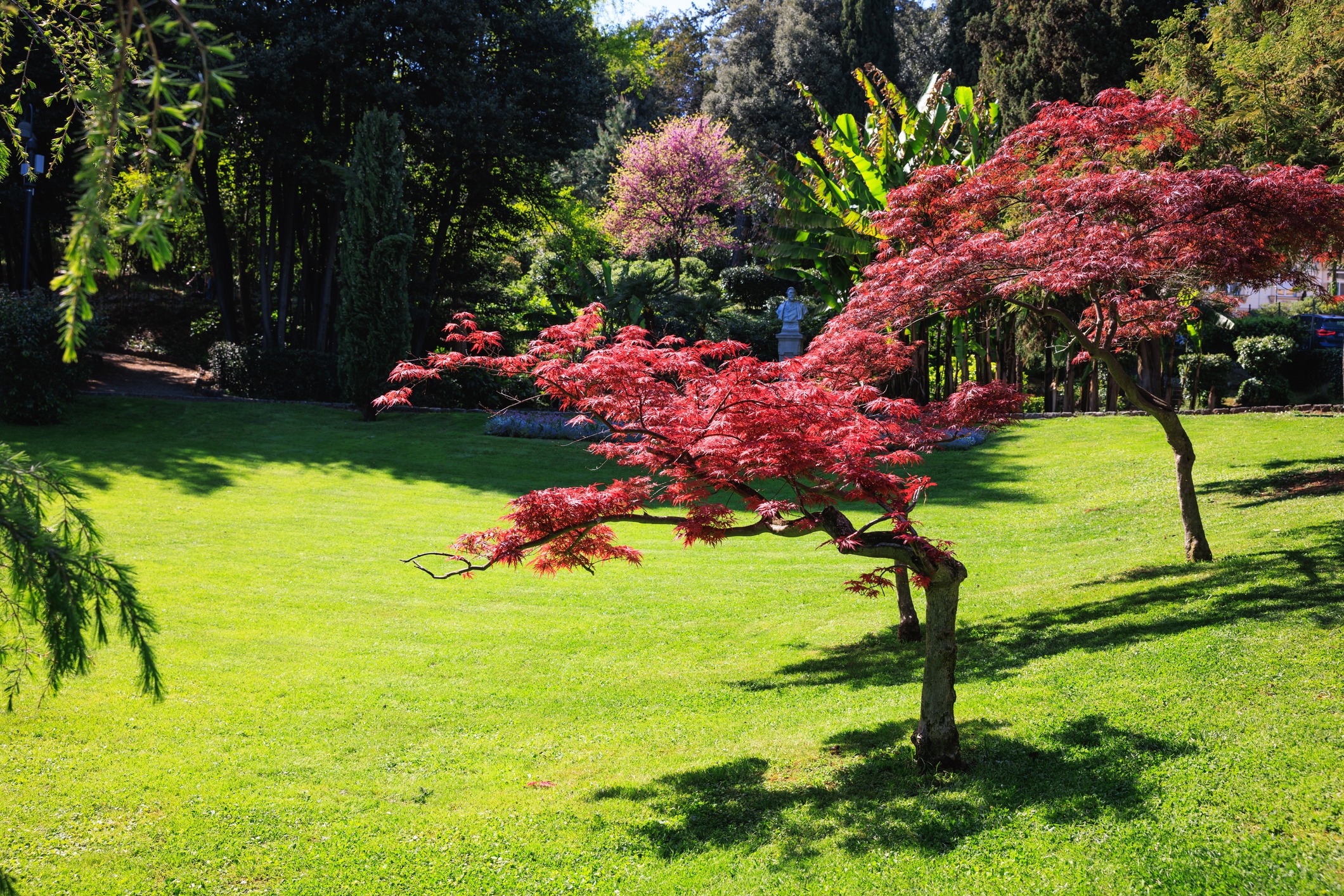
Perhaps you’re planning new landscaping and want to ensure you won’t have repair sidewalk lifted by tree roots in the future. Smart choice!
The key is to pick the right tree species and give them enough space. Some trees are far less likely to cause hardscape issues because of their root structure.
Here are a few tree species with non-invasive roots or deep root systems that make good choices near driveways, sidewalks, or foundations:
- Japanese Maple: These elegant smaller trees (typically 15–25 feet tall at maturity) have relatively compact, slow-growing root systems.
- Dogwood: Flowering dogwood trees stay on the smaller side (under 30 feet) and don’t usually have aggressive roots.
- Crape Myrtle: A popular ornamental in many regions, crape myrtles have a moderate root system that tends to grow more down than out.
- Serviceberry (Amelanchier): Serviceberries are multi-stem small trees/large shrubs that have a tame root spread.
- Eastern Redbud: Another beautiful small tree, redbuds generally have shallow roots but the trees are small enough that the roots don’t exert massive pressure.
When Is It Time to Call in a Professional?
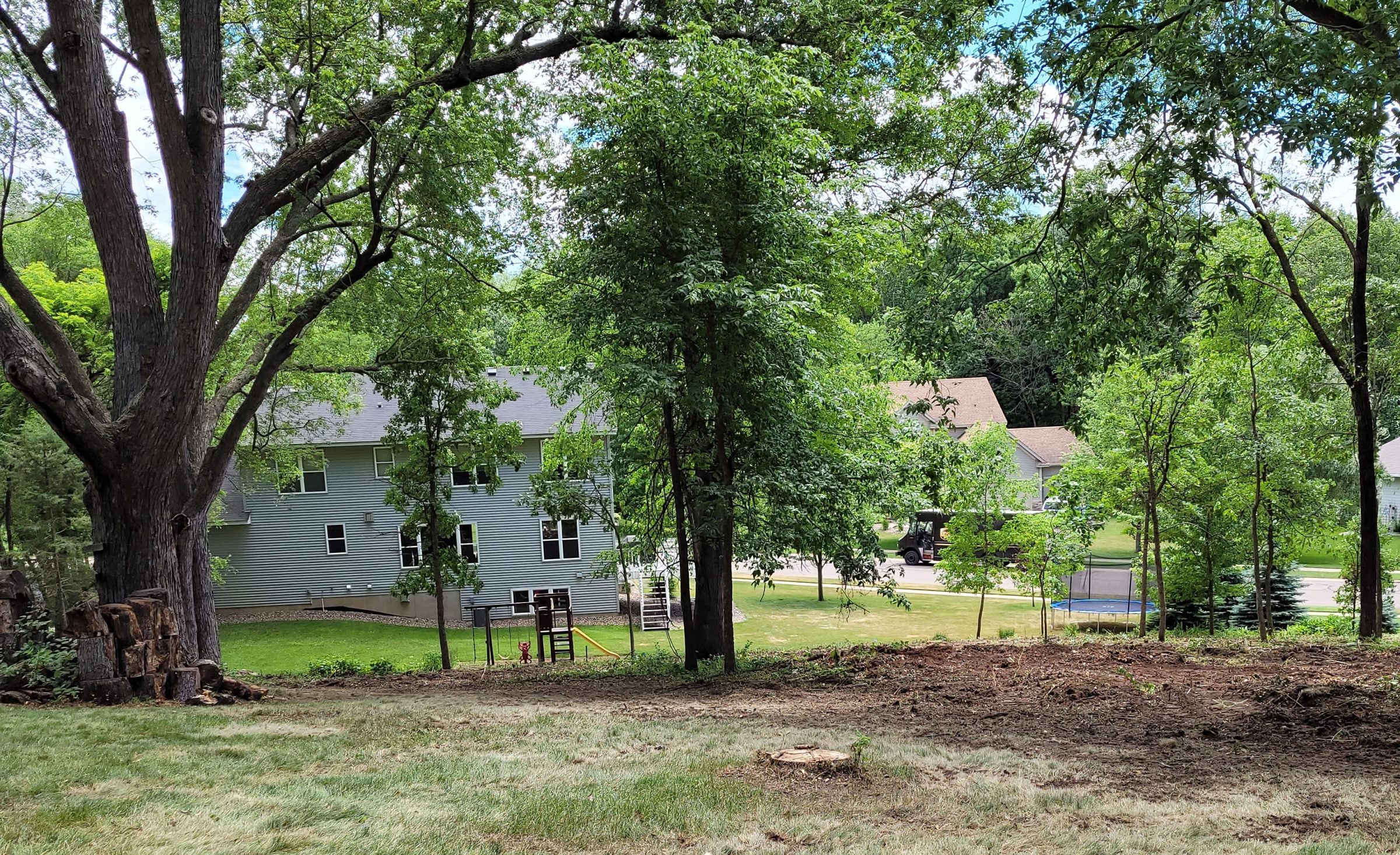
After all this discussion, you might wonder when you should throw up your hands and call for help. The answer is: whenever you feel out of your depth or when the stakes are high. Tree root issues can get complex. If you’re dealing with significant hardscape damage, large mature trees near your home, or any situation where you’re unsure, a professional assessment is invaluable.
At Willow River Company, you get a full team of certified contractors, horticulturists, and arborists ready to solve root-related challenges. Often, the best solution isn’t just one fix but a combination—such as pruning select roots, installing a root barrier, and repairing the sidewalk with flexible pavers. Because we handle every step under one roof, you avoid the hassle of juggling multiple contractors.
Clear communication is central to how we work. From the first call, we explain your options in plain language, keep you updated, and finish on schedule. Our focus on honesty and professionalism means your property is cared for as if it were our own.
Looking ahead, prevention is just as important as repairs. That’s why we recommend regular check-ups, limited pruning only when needed, and thoughtful planting choices. With a proactive plan, you save money, protect your trees, and maintain safe, long-lasting hardscapes.
Tree roots and structures can live in harmony with a bit of planning and care. By spotting issues early, using the right preventative measures, and calling in help when needed, you can enjoy healthy trees and intact sidewalks and foundations. Don’t wait until a little lift turns into a big crack.
If you’re concerned about tree roots on your property, request a quote and we will ensure your trees and property stay in great shape for years to come.
Summary
Tree roots often grow near the surface, causing tree roots lifting sidewalk slabs, cracking driveways, or pressing against foundations. Early signs include small cracks or visible surface roots. Prevention strategies include installing a root barrier for trees, following safe tree root pruning guidelines, and avoiding risky cutting tree roots near foundation areas. To repair sidewalk lifted by tree roots, options include grinding, bridging, rerouting, or using flexible paving. Planting the best trees near driveway spaces reduces future risks. With expert help from Willow River Company, you can protect both your property and your trees for the long term.
Tags: