
Pergola or Pavilion? Choosing the Right Shade Structure for Your Outdoor Space
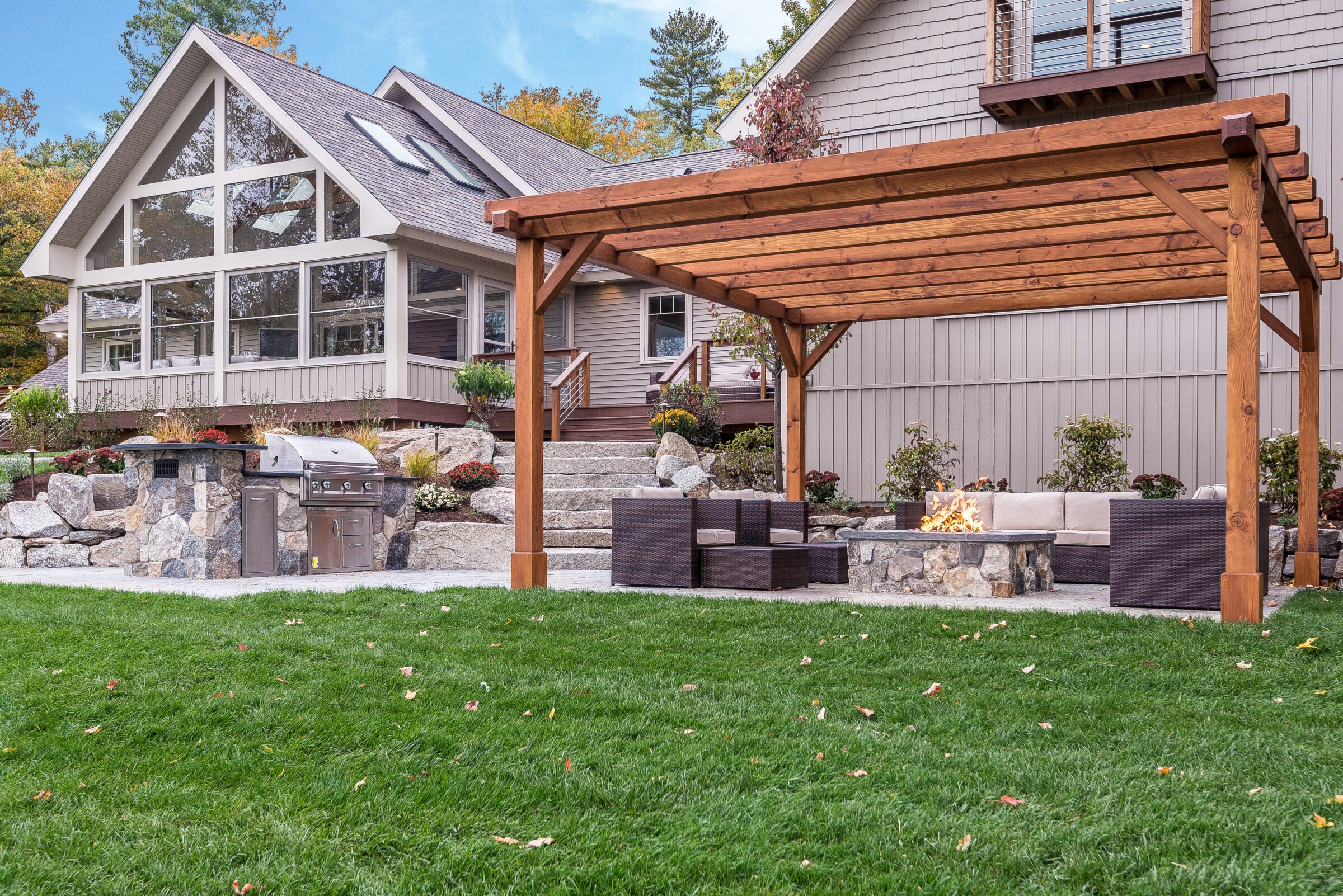
Picture yourself heading outside on a sunny afternoon with nowhere to escape the glare or a sudden drizzle. You want a place to relax with a book or host friends, yet you’re torn between two popular shade structures: pergola vs pavilion.
This isn’t just a matter of style; it’s a decision that affects comfort, budget and how often you actually use your yard. Choosing poorly could mean sitting in full sun when you crave shade or watching rain drip through slats while your guests scatter. The disappointment of a mismatched structure can linger for years.
This guide speaks to that tension. It introduces the key differences between pergolas and pavilions so you can imagine how each one could solve your shade dilemma. By exploring the pros and cons, you’ll start to see which structure fits your lifestyle and the climate you live in.
What Pergola Ideas Work in Wisconsin Yards?
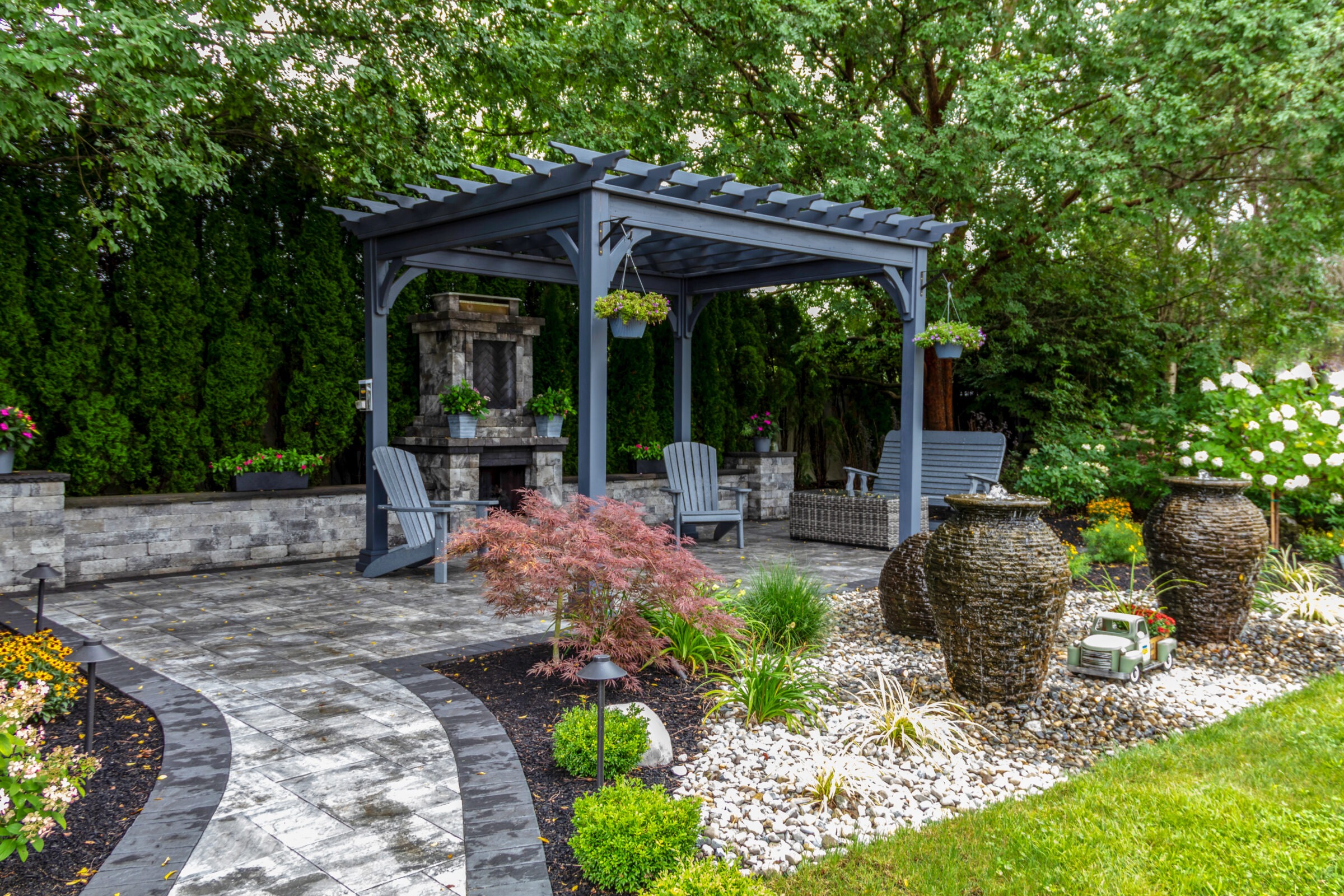
A pergola is a simple, elegant frame that marks out a space without enclosing it. Typically built with four posts and an open lattice or slatted roof, a pergola offers partial shade and allows sunlight and breezes to filter through. In the pergola vs pavilion comparison, this openness is what sets a pergola apart. It’s not meant to be a roof, but rather a series of beams that cast attractive patterns of light and shadow.
Pergolas come in wood, vinyl or aluminum to suit style and maintenance preferences. You can attach one to your house or set it over a deck or walkway to define a patio. Because they are modular and available as kits, they adapt to most yard sizes and budgets.
Unlike a pavilion, which functions like a full outdoor room, a pergola simply frames a space and invites climbing plants such as ivy, wisteria or grapes to create a green canopy. Its straightforward construction makes it a budget‑friendly entry into the pergola vs pavilion decision.
- Open feel: The slatted roof filters sunlight and breeze while keeping you connected to the sky; add a canopy for extra shade if needed.
- Flexible design: Choose wood or low‑maintenance materials, attach to your house or stand alone, and train vines for a living roof.
- Accessible option: Pergolas cost less and are often simpler to assemble than pavilions, making them an easy first step into outdoor shade structures.
These factors make a pergola attractive when you compare pergola vs pavilion options and want a structure that defines your space while keeping you in touch with the sky.
When Is a Backyard Pavilion Design the Right Choice?
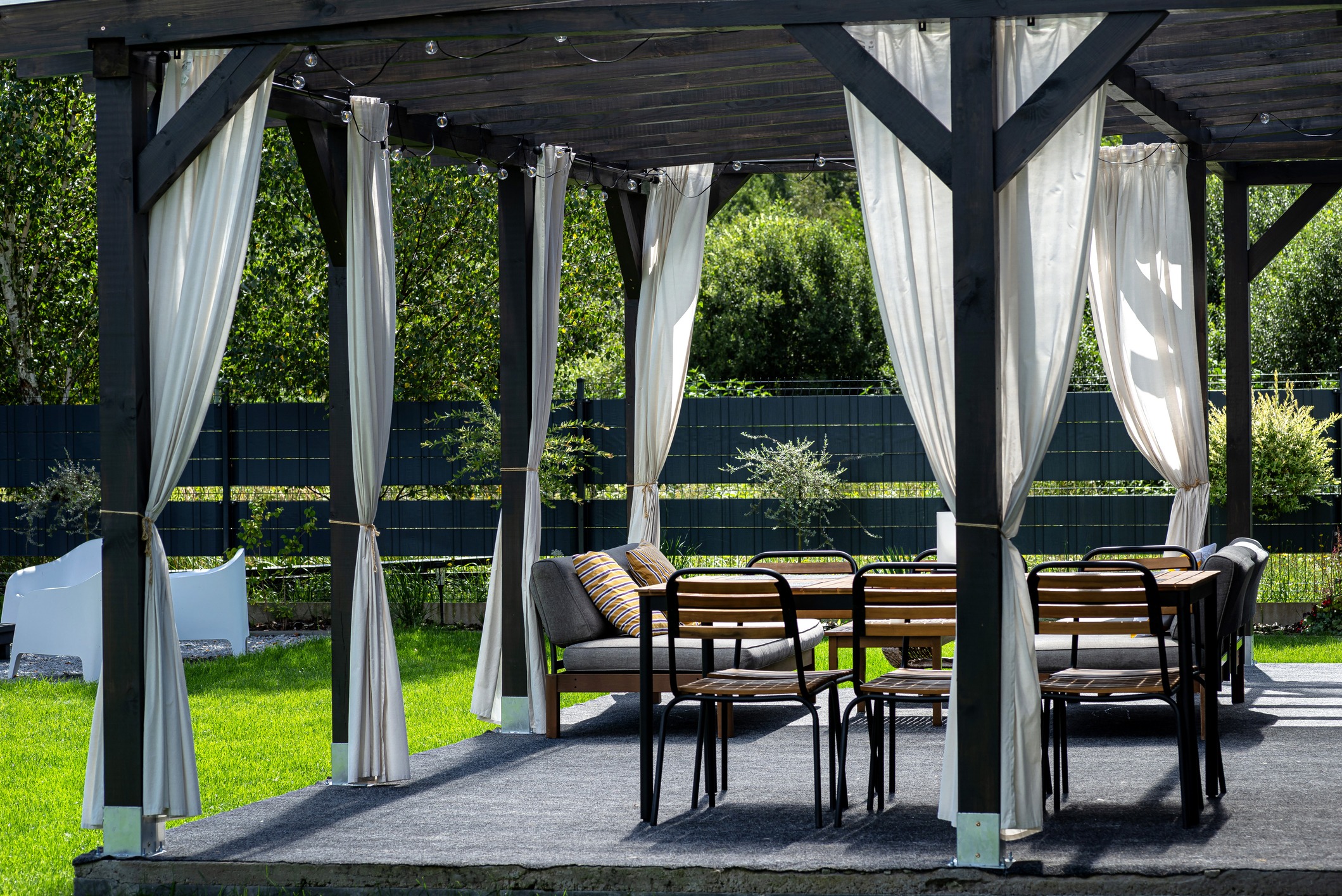
A pavilion is a roofed room without walls supported by posts. Its solid roof provides complete shelter from sun and rain, creating an open‑air living or dining area for all‑weather use. Pavilions typically use wood or vinyl frameworks with shingles, metal or polycarbonate panels.
Because pavilions are more substantial than pergolas, they require footings and carry a higher price tag. Many homeowners add ceiling fans, lighting and even outdoor kitchens, turning them into true outdoor rooms for meals and gatherings. Their permanence makes them a long‑term investment in comfort and protection, suited to those who entertain year‑round or enjoy being outdoors regardless of weather.
- Full shelter: A solid roof keeps you dry and shaded so you can cook, dine or unwind in any weather.
- Outdoor room feel: With enough room for fans, lights and furniture, a pavilion becomes a true extension of your home.
- Investment piece: A pavilion’s sturdy construction and permanent footprint boost property value and provide years of enjoyment.
When comparing pergola vs pavilion options, consider whether you need this level of shelter and permanence to achieve your outdoor goals.
How Do Pergolas vs Pavilions Compare?
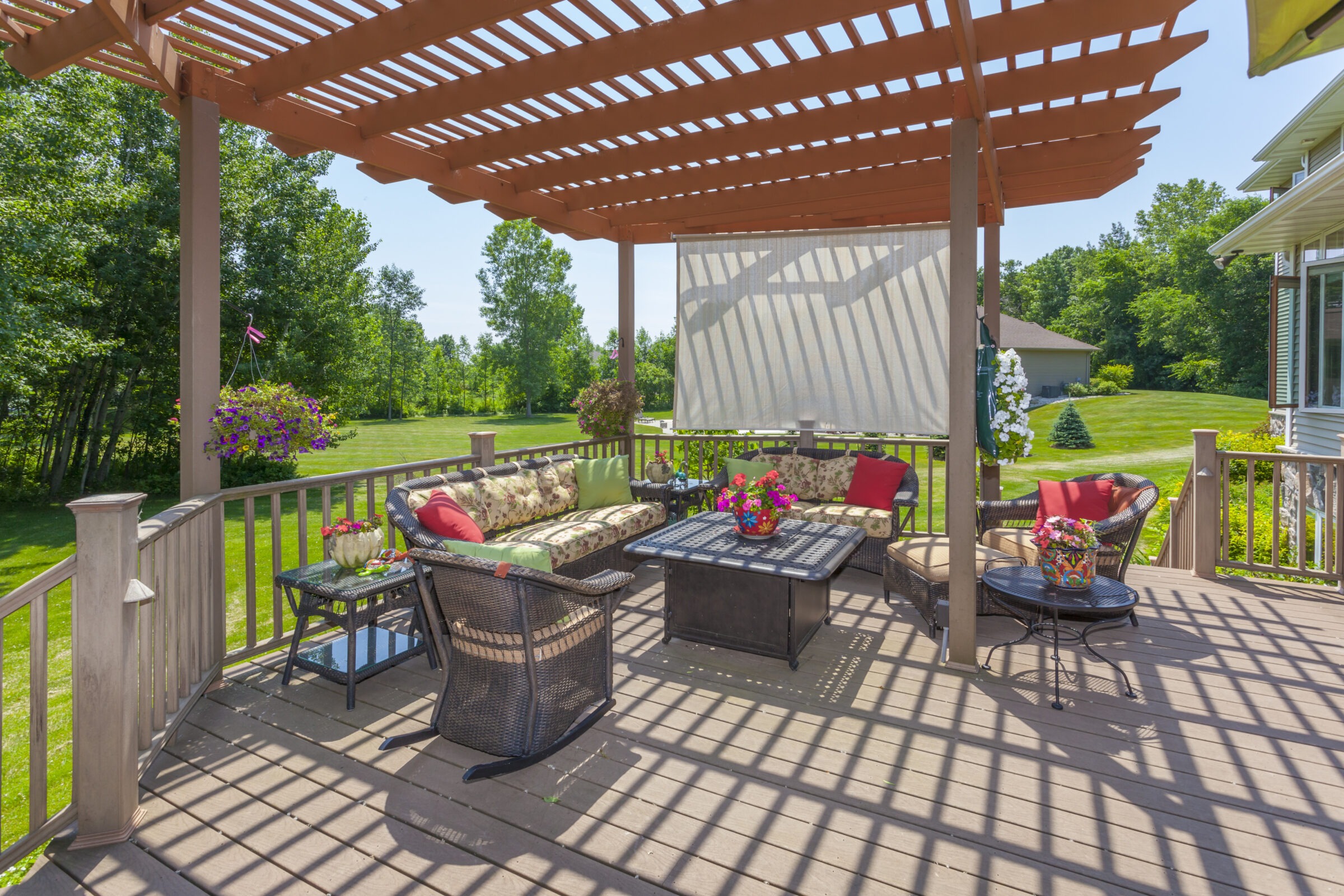
Comparing shade structures involves factors beyond price. Consider how each option will perform, look, and suit your lifestyle.
Here are the key factors that will influence the pergola vs pavilion decision. Keep these points in mind so you can compare pergola vs pavilion structures with clarity.
Shade & Weather Protection
Pergolas give you dappled shade and an airy feel. Their slatted roofs let sun and breezes pass through, but they won’t keep out rain. Pavilions, by contrast, have solid roofs that provide complete cover from sun and showers. If staying dry and cool on wet days or scorching afternoons is essential, a pavilion will serve you better.
Aesthetics & Style
Pergolas bring light lines and a natural look to patios and gardens. They blend into landscapes, especially when clothed in vines. Pavilions make a stronger statement. With solid roofs and sturdy posts, they feel like an outdoor room and can match your home’s architecture. Your style preference will point you toward one or the other.
Use Cases
Use a pergola for lounging in filtered sunlight, reading, sipping drinks or marking a path. They frame intimate seating areas and support climbing plants. Choose a pavilion when you plan to cook, dine or entertain in any weather. Its full roof protects outdoor kitchens, dining sets or sofas so you can host rain or shine.
Maintenance Requirements
Wood structures require sealing or painting to resist moisture; vinyl or metal alternatives just need an occasional wash. Pergolas with fabric covers may need removal before winter storms, and heavy vines should be pruned. Pavilions require roof maintenance similar to a small house. Pick the structure that matches the upkeep you’re willing to provide.
Cost & Installation
Pergolas are generally more affordable, and many come as kits for handy homeowners. Pavilions demand more materials and labour, often requiring professional installation and permits. Weigh your budget against the benefits each structure offers to decide which pergola vs pavilion option fits your priorities. There is no single answer; choose between airy openness and full cover based on your needs and resources.
What Other Outdoor Shade Structures Could You Choose?
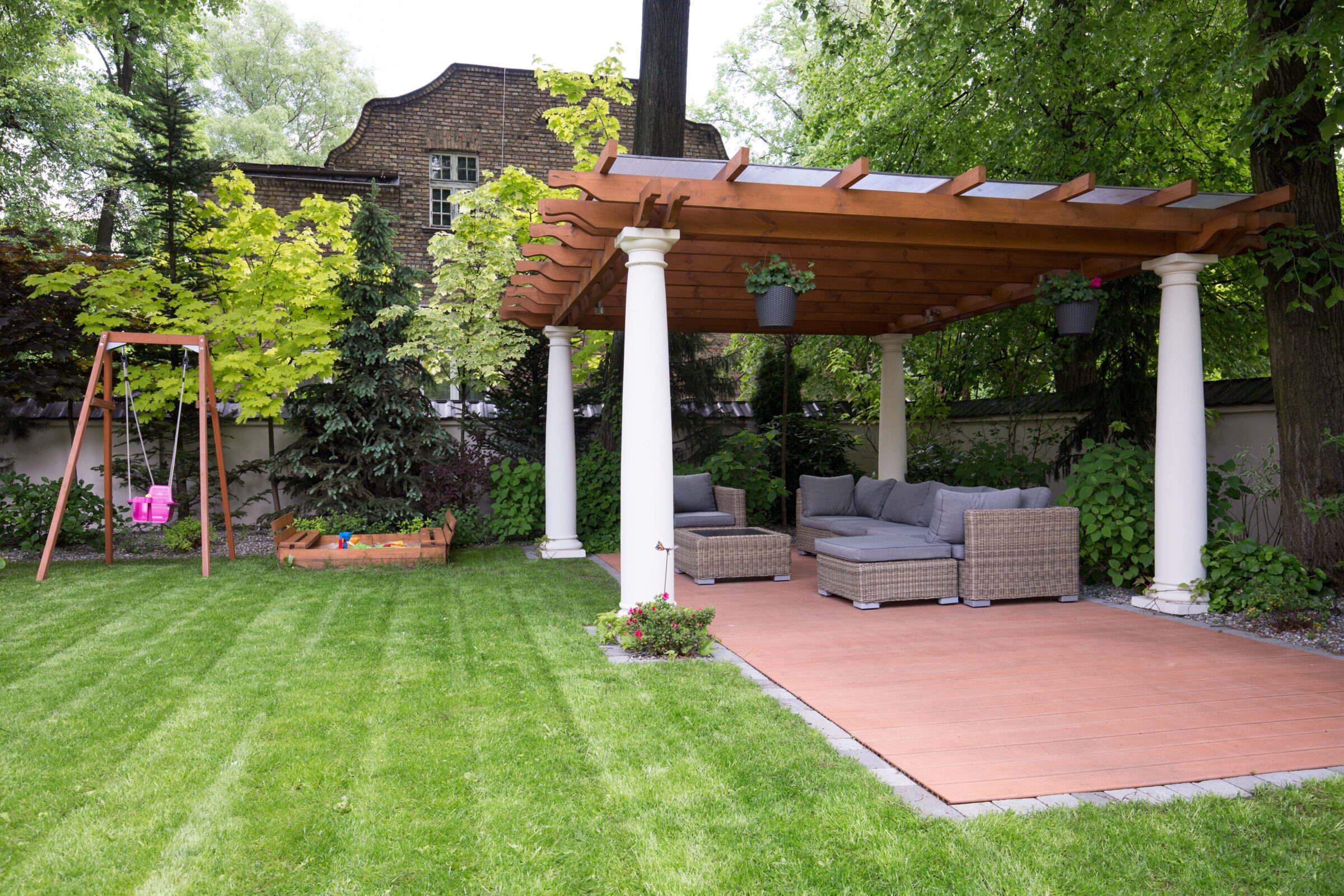
Beyond the classic pergola or pavilion, other shade options might suit your needs or budget.
Gazebos
A gazebo is a freestanding structure with a solid roof and often partial walls or railings. Its octagonal or rectangular shape creates a cozy, enclosed feel. Gazebos protect you from sun and light rain while serving as a focal point in the yard. They’re perfect for quiet retreats but may provide less open space than a pavilion and cost more compared with a pergola.
Shade Sails
Shade sails use tensioned fabric stretched between posts or attached to a house. They offer modern, sculptural shade at a modest price. By layering sails or adjusting their angles, you can target shade where you need it. They’re quick to install and come in different shapes, but they don’t stop rain and may need to come down in high winds or heavy snow.
Retractable Awnings
Retractable awnings mount to the exterior of your home and roll out over a deck or patio when you need shade. Motorized or manual, they provide on‑demand coverage and retract to let sunlight in. Awnings don’t offer full rain protection unless they include gutters, and strong storms can damage them. They suit homeowners who want flexible shade close to the house.
Arbors & Trellises
Arbors and trellises are small frames or archways placed over gates or along paths. They support climbing plants and bring vertical interest. While they don’t offer substantial shade alone, once covered in vines they cast dappled shadows and create a green tunnel. These simple structures are inexpensive and easy to install, marking transitions or adding charm without a large footprint.
Hybrid Options
Hybrid designs combine traits of pergolas and pavilions. A pergola with adjustable louvers can close to block rain and open to let sunlight filter through. Clear panels between slats create a dry zone while preserving an airy feel. These custom combinations offer flexibility and are tailored to your needs. They cost above basic pergolas but below full pavilions, offering a flexible middle ground in the pergola vs pavilion decision.
Which Shade Structure Should You Choose?
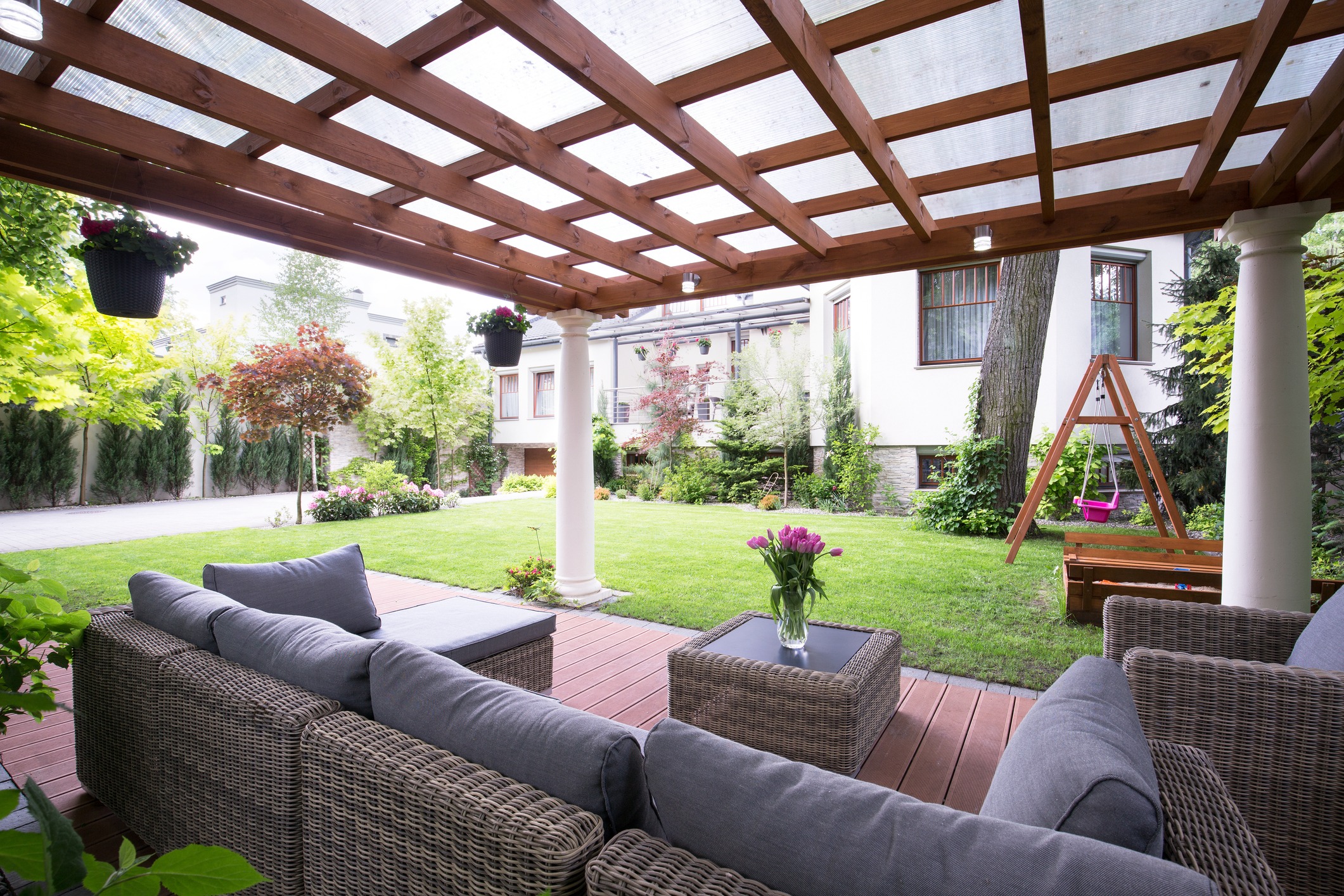
At Willow River Company we love creating outdoor spaces our clients enjoy in every season. Deciding between a pergola vs pavilion or another structure can feel overwhelming, so we take care of everything from design and materials to construction and cleanup. Our certified team communicates clearly and arrives in uniform, respecting your schedule and property. Honesty and fairness guide our recommendations, ensuring you get a structure that fits your lifestyle and budget.
If you’re ready to improve your yard, start with a conversation. We’ll help you choose between a pergola vs pavilion or any other shade structure and manage all the details so you can relax.
Request a quote today and let our experts build the outdoor room you’ve been wanting.
Summary
Choosing the right shade structure begins with understanding the pergola vs pavilion differences. Pergolas use posts and slatted roofs to create partial shade and define a space, and they work well with climbing plants. Pavilions feature solid roofs that deliver full cover, making them ideal for outdoor kitchens, dining areas and year‑round entertaining.
Considering factors such as shade level, style, intended use, maintenance and budget will help you decide. Other outdoor shade structures like gazebos, shade sails, arbors and hybrid designs offer more choices. Work with a professional to explore pergola ideas Wisconsin residents love or craft a custom backyard pavilion design. This pergola vs pavilion overview will help you choose confidently.
Tags: