
Lawn Weed Control: The St. Croix River Valley Guide to Creeping Charlie, Crabgrass, and More
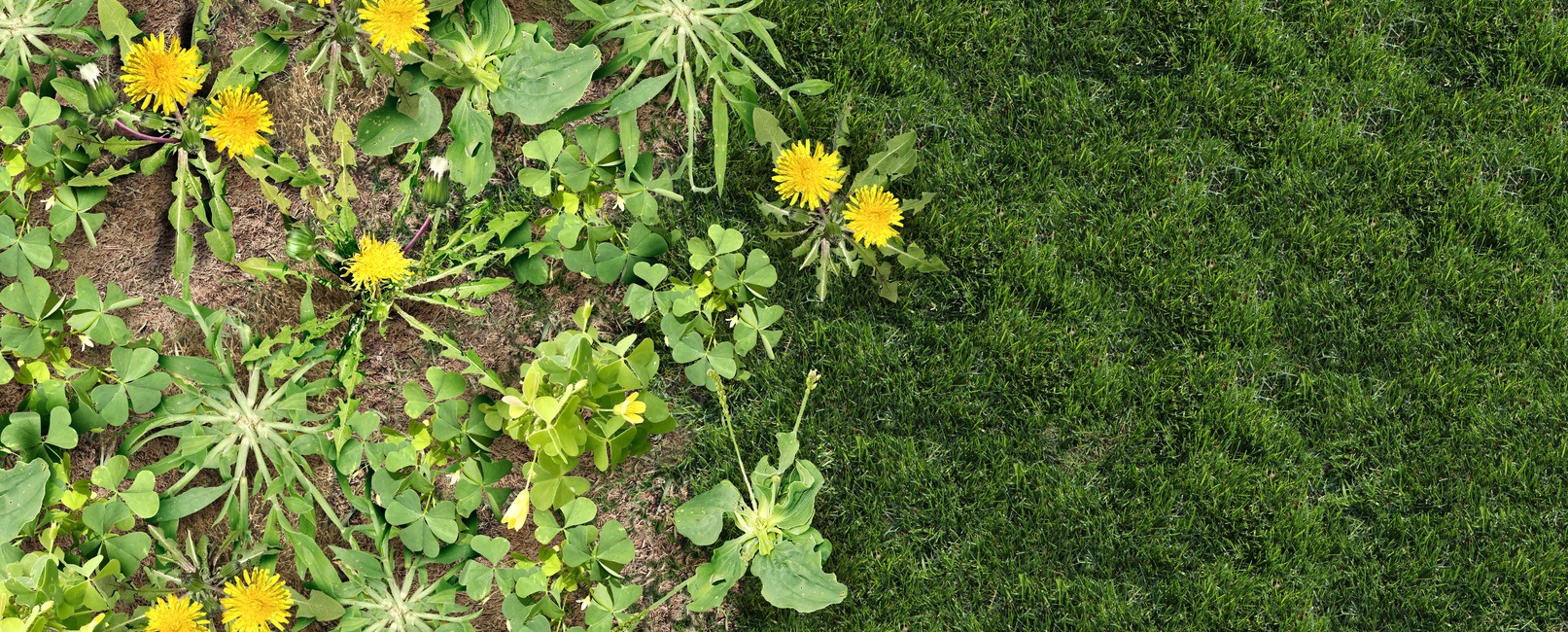
If you’re trying to figure out how to get rid of pesky weeds and nothing has worked so far, you’re not doing anything wrong – you’re just fighting a weed that your yard’s climate was practically designed for. The St. Croix River Valley is one of the most weed-permissive microclimates in western Wisconsin, and the most common mistake local homeowners make is applying the right effort at the wrong time with the wrong product.
This guide covers the biology and treatment strategy for the four most persistent lawn weeds in St. Croix River County: creeping Charlie, crabgrass, dandelion, and white clover. Whether you are battling a creeping Charlie lawn or trying to get ahead of crabgrass before it seeds out, this guide covers what actually works in the St. Croix River Valley.
For a full overview of our seasonal lawn care programmes, visit our Lawn Care Service Guide.
Why the St. Croix River Valley Has Some of the Most Persistent Lawn Weeds in Western Wisconsin

It starts with the microclimate. The moisture-rich, partially shaded conditions along the river bluffs and in the wooded neighborhoods of north Hudson, Afton, and Bayport create near-ideal growing conditions for stoloniferous weeds like creeping Charlie and ground ivy. These aren’t weeds that accidentally ended up here; this is their preferred habitat.
St. Croix River County’s clay-heavy soils retain moisture longer, creating ideal conditions for weeds and reducing the effectiveness of some weed treatments during wet periods.
Weed pressure often comes from nearby natural areas and unmanaged lawns, allowing aggressive weeds to spread easily into surrounding turf throughout the St. Croix River Valley.
The weeds this guide addresses fall into three categories:
- Stoloniferous broadleaf weeds – creeping Charlie and ground ivy, which spread by above-ground runners
- Annual grassy weeds – crabgrass, which germinates fresh each spring from seed
- Perennial broadleaf weeds – dandelion, plantain, and white clover, each with a different underlying cause
Creeping Charlie in the St. Croix River Valley: Why It’s So Hard to Kill and What Actually Works

Creeping Charlie (Glechoma hederacea) is the weed we hear about most from Hudson homeowners, and for good reason. Knowing how to get rid of creeping Charlie starts with understanding why pulling and mowing don’t work – the most intuitive responses to it actively make the problem worse.
Creeping Charlie spreads by stolons, which are above-ground stems that root at every node where they contact soil. When you pull or mow a creeping Charlie colony without killing the root system, you fragment the plant. Each rooted node that remains in the ground becomes a new colony. The more aggressively you pull, the faster it spreads. This is the single most common mistake Hudson homeowners make in the first season they try to manage it themselves.
The Treatment Window That Most Homeowners Miss
The biology of effective creeping Charlie control is tied directly to the plant’s seasonal cycle. Fall, specifically mid-September through October, is the only reliably effective window for broadleaf herbicide treatment in St. Croix River County.
Fall is the most effective time to treat creeping Charlie because the plant moves nutrients down to its roots for winter. Herbicides applied during this period reach the root system more effectively, while spring treatments often only kill the visible growth.
Product Selection: Why Your Weed-and-Feed Isn’t Working
Triclopyr-based herbicides are far more effective against creeping Charlie than standard 2,4-D weed killers commonly found in hardware store weed-and-feed products. If the weed keeps returning, the issue is often the product itself – not the application.
Wisconsin homeowners should also know that WI Act 204 limits the use of phosphorus-containing lawn fertilizers. Professional lawn care companies use compliant products and apply treatments separately when needed.
Why Two Fall Applications Are Often Required
A mature creeping Charlie colony in a moist, shaded Hudson backyard has a root network that extends well beyond what’s visible at the surface. A single fall application will significantly reduce the infestation, but a follow-up treatment the following fall is typically needed to consolidate the result for heavily colonised areas. If someone tells you creeping Charlie can be eliminated in one season, they’re describing a very early-stage infestation. In the St. Croix River Valley, plan for a two-year programme.
Crabgrass Control in Western Wisconsin: The Pre-Emergent Window You Cannot Miss

Crabgrass control in Wisconsin is almost entirely a prevention game. Crabgrass is an annual grassy weed, meaning it dies at the end of each season and regenerates entirely from seed the following spring. This changes the entire treatment strategy: prevention is the only reliable approach. Once crabgrass germinates, post-emergent control is expensive, laborr-intensive, and only partially effective.
Timing the Pre-Emergent Application
Crabgrass begins germinating when soil temperatures stay around 55°F for several days, which in Hudson usually happens between late April and early May. Applying pre-emergent too early or too late reduces its effectiveness.
A simple local sign is forsythia in full bloom. When these shrubs start flowering, it’s usually time to apply crabgrass pre-emergent treatment.
Pre-emergent herbicides also need water to activate properly. Lawns without irrigation should receive rainfall within 48 hours of application for the treatment to work effectively.
Post-Emergent Rescue Treatment (And Its Limits)
If pre-emergent was missed or failed, quinclorac-based products applied within the first three weeks of crabgrass emergence – when the plant has two to four leaves – can provide partial control. After that stage, the treatment window closes and applications are largely ineffective. The rescue treatment is a fallback, not an equivalent strategy.
A single summer of uncontrolled crabgrass produces thousands of seeds per plant. Those seeds remain viable in the soil for three to five years. Skipping pre-emergent for one season creates a multi-year weed problem that is significantly more expensive to manage than consistent annual prevention.
Dandelion, White Clover, and Other Common Broadleaf Weeds

Dandelion
The same fall timing argument applies here. A post-emergent broadleaf herbicide applied in fall travels with the carbohydrate transport to the taproot and achieves root kill. Spring treatment kills the visible rosette but the deep taproot survives and regrows through the season. Fall application combined with a dense, healthy lawn that crowds out dandelion seedlings is the long-term solution.
White Clover
White clover is usually a sign that your lawn lacks nitrogen. While herbicides can remove existing clover, long-term control requires proper fertilization to build a thicker, healthier lawn.
Plantain
Plantain commonly grows in compacted, high-traffic areas of the lawn. Long-term control usually requires both core aeration and broadleaf weed treatment.
Ground Ivy
Ground ivy spreads the same way as creeping Charlie and responds best to fall triclopyr treatments. It’s commonly found in moist, shaded areas and often grows alongside creeping Charlie.
The Integrated Approach
These weeds thrive where lawns are thin, compacted, or unhealthy. Long-term weed control works best when treatment is combined with proper lawn care that strengthens and thickens the turf. Explore our comprehensive lawn care packages to find the right plan for your St. Croix River Valley property.
Why Professional Weed Control Outperforms DIY in the St. Croix River Valley
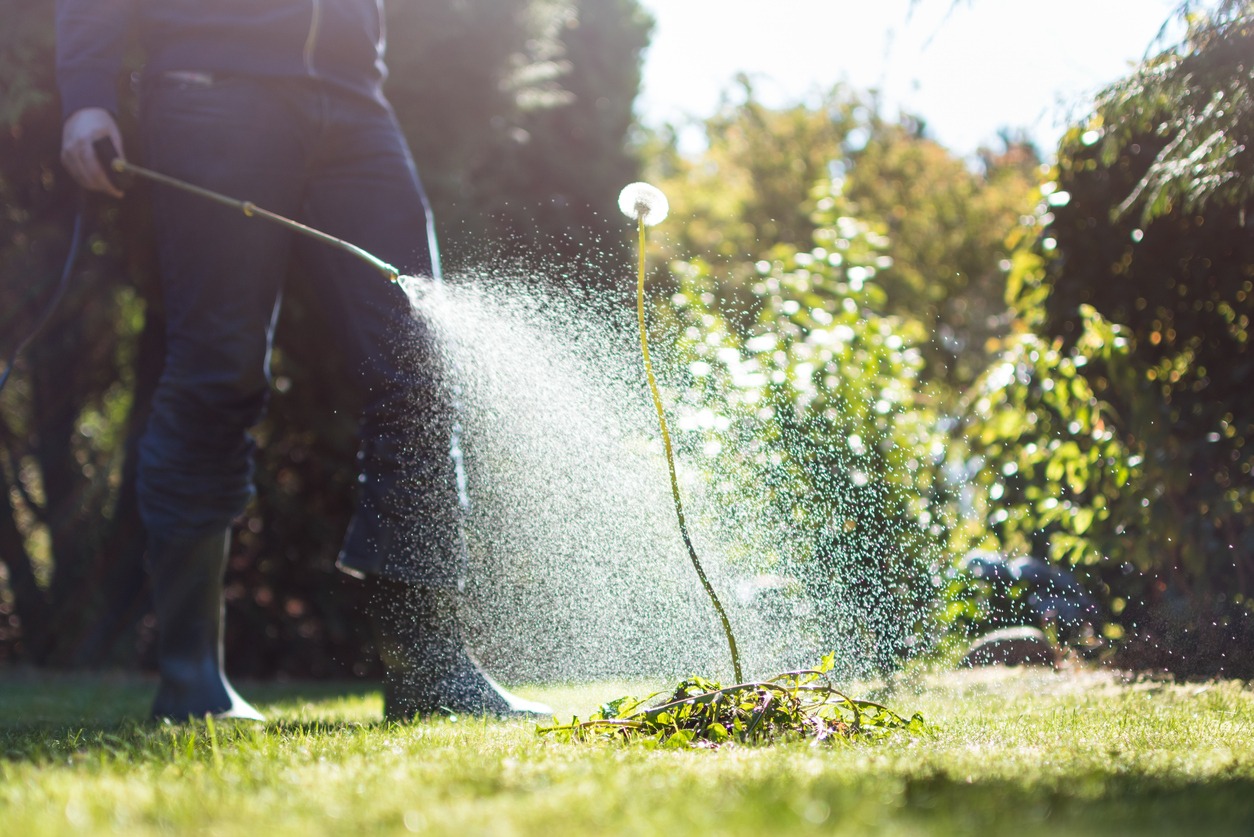
There are four specific reasons professional weed control consistently produces better results than hardware store products and self-application for St. Croix River County homeowners:
- Timing Precision: Licensed applicators monitor soil temperature and local weather forecasts to apply products within the optimal treatment window. Homeowners applying on a calendar date often miss the window by one to two weeks – a difference that can reduce treatment effectiveness by 40–60%.
- Product Selection: Professional-grade products include herbicide concentrations and active ingredients not available in retail formulations. The triclopyr concentration in a professional broadleaf application is typically two to three times the effective strength of comparable retail products.
- Wisconsin Licensing: WDATCP requires a commercial pesticide applicator license for broadleaf herbicide applications to turf for hire. Licensed applicators have passed training on product selection, application rates, environmental protection, and drift management. Given the proximity of the St. Croix River watershed, drift management is a meaningful concern in the Hudson area.
- Programme Integration: Weed control lawn care that’s applied as a standalone treatment is less effective than weed control integrated with a fertilization and aeration programme. A dense, well-fed, aerated lawn outcompetes weeds at the root level. Check out our lawn care & maintenance packages for professional fertilization, weed control, aeration, and seasonal treatments work together to keep your lawn healthy, thick, and weed-resistant throughout the year.
Bringing it All Together

If your lawn has been losing ground to creeping Charlie, crabgrass, or persistent broadleaf weeds, the answer is rarely a different product from the same shelf. It’s timing, active ingredient selection, and a programme that addresses the underlying conditions that let weeds establish in the first place. If you’ve been searching for how to get rid of creeping Charlie and still haven’t found a solution that sticks, a professional lawn weed control service is the reliable next step.
Willow River Company’s licensed lawn care technicians have been managing weed pressure in St. Croix River County since 1987. To find out what’s driving the weed pressure in your specific yard, request a quote.
Summary
Weed control in the St. Croix River Valley comes down to timing, product selection, and lawn health. Creeping Charlie, crabgrass, dandelion, white clover, plantain, and ground ivy each require a different treatment strategy, but they all thrive when turf is thin, compacted, underfed, or treated at the wrong time. For Hudson and St. Croix River County homeowners, professional weed control helps address both the visible weeds and the underlying lawn conditions that allow them to keep coming back.
Tags: