
The Complete Guide to Landscape Design and Build in Western Wisconsin and Eastern Minnesota
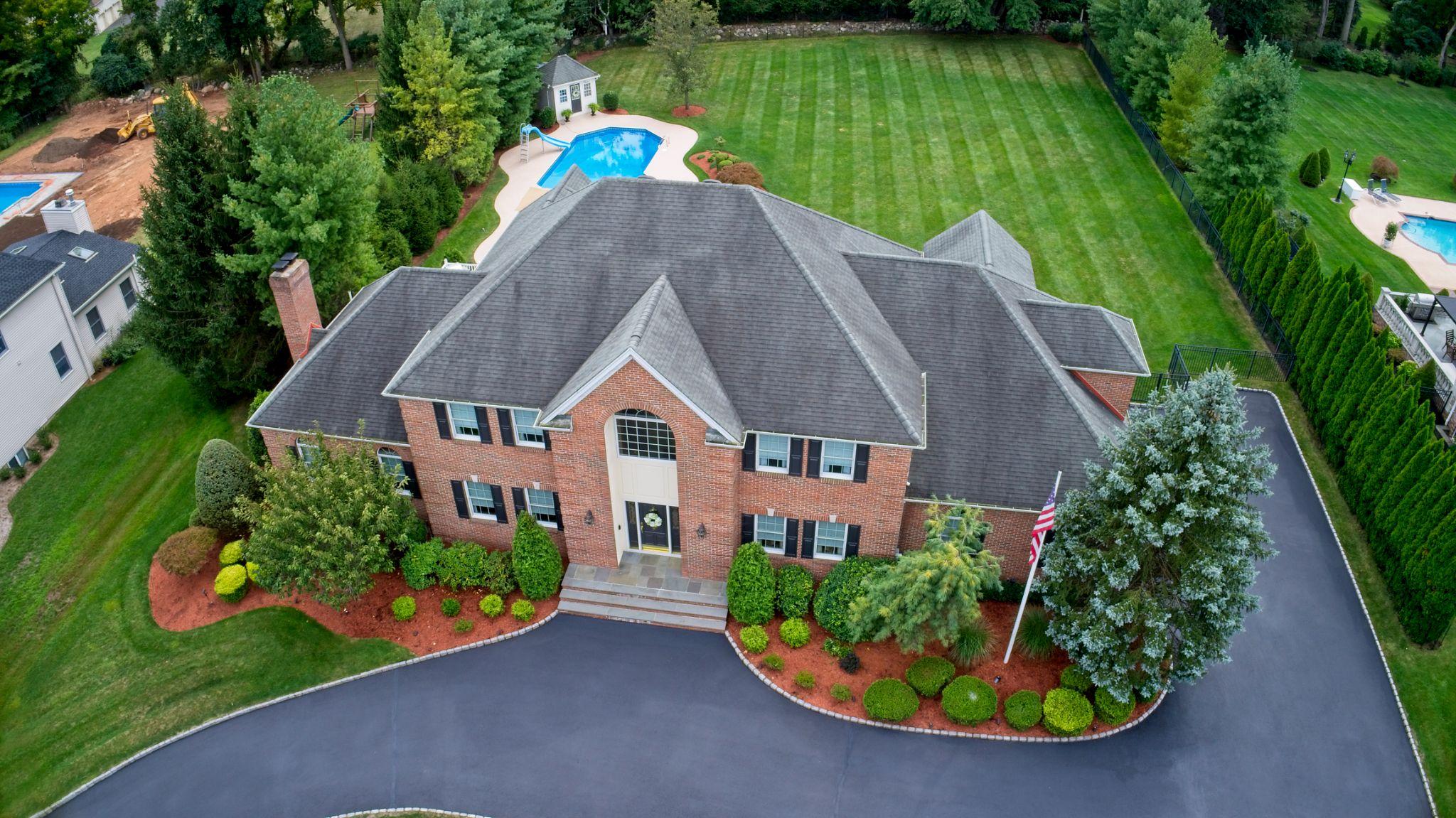
The St. Croix River Valley is one of the most beautiful stretches of the upper Midwest. But living here also means your outdoor space has to work hard. Winters are long, spring thaw is real, and soil conditions vary wildly from sandy blufftop to heavy clay lowland. A patio or retaining wall that looks great in year one needs to be built correctly to still look great in year ten.
That’s the context behind every landscape design and build project we take on at Willow River Company. Since 1987, we’ve been designing and building outdoor spaces across the St. Croix River Valley — and this guide is here to help you understand how that process works, what it costs, and what to look for when you’re choosing who to trust with your property.
Whether you’re planning a full backyard renovation, a retaining wall to reclaim a sloped lot, or an outdoor living space you can actually use nine months of the year, here’s what you need to know.
What Does “Landscape Design and Build” Actually Mean?
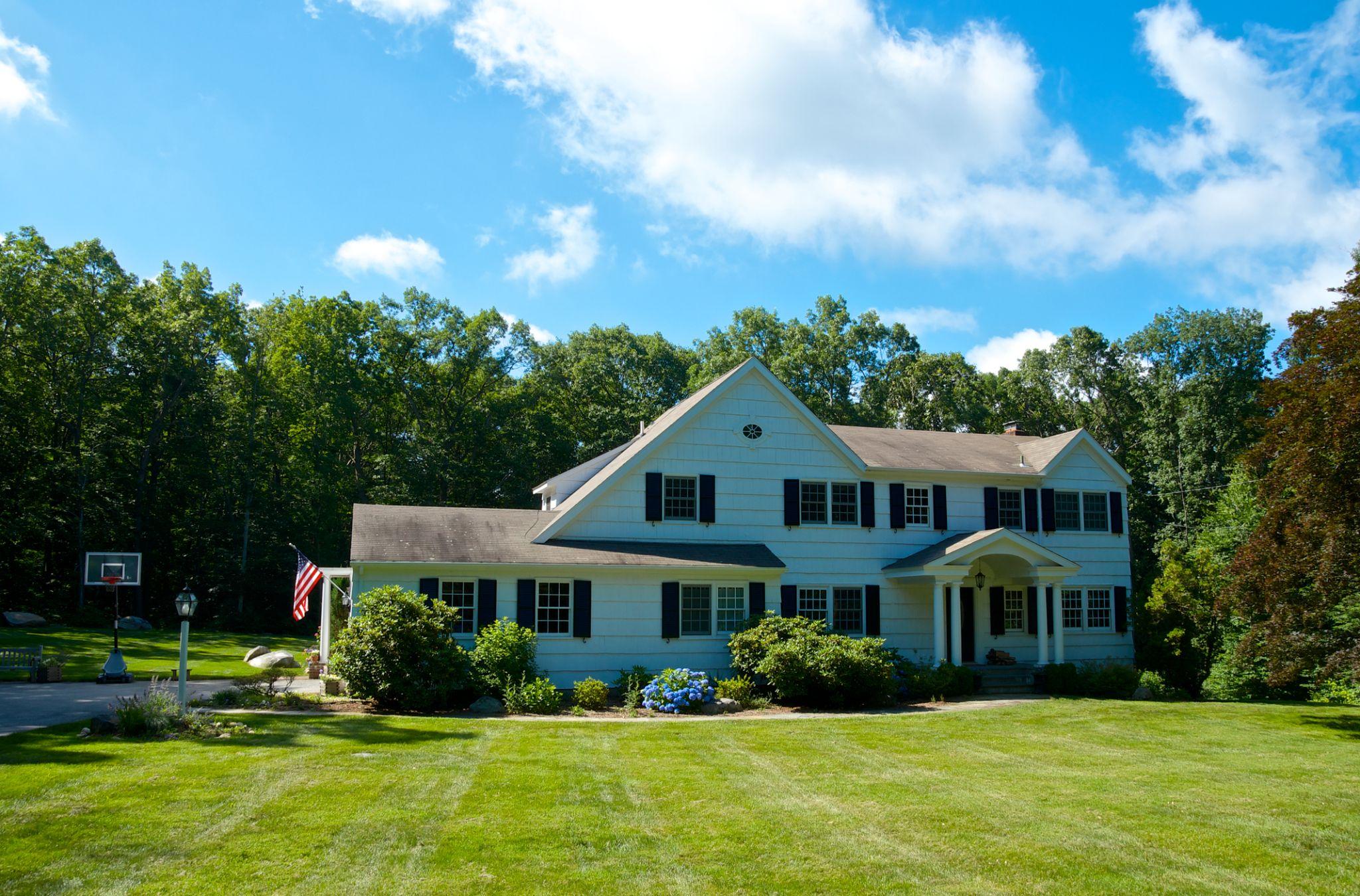
The term is used loosely, so it’s worth being clear about what it means, and what it doesn’t. Landscape design and build refers to a single coordinated process where a team designs your outdoor space and then carries that same vision through construction and installation from start to finish. From there, it helps to break the roles down more clearly:
- A landscape designer creates plans.
- A landscaping contractor builds things.
- A landscape design and build firm does both, under one roof, with one team. That distinction matters more than most homeowners realize until they’ve experienced the alternative.
When you hire a separate designer and contractor, you’re managing a handoff. The designer draws plans; the contractor interprets them. If something gets lost in translation — a plant spec, a grade change, a material substitution — it usually surfaces after work has already started. Fixing it means going back to the designer, who may or may not agree with the contractor’s reading of the plans, while the clock and your budget keep running.
At Willow River Company, the people who design your project are connected to the people who build it. When our design team draws a retaining wall with a specific block and base detail, our construction crews understand exactly what was intended because they’ve built hundreds of projects together. That coordination is especially important in the St. Croix River Valley, where freeze-thaw cycles put real stress on hardscaping and where heavy clay soils in many areas require specific drainage and base preparation that a designer working from a desk in another city won’t account for the same way.
Design-build works for the full range of residential project types: patios and hardscaping, retaining walls, full backyard redesigns, outdoor kitchens and fire features, pergolas and shade structures, and ornamental planting — as well as commercial landscape construction and maintenance. Whatever the scope of your project, the design-build model keeps it cohesive. For most homeowners in the St. Croix River Valley, aresidential landscape design and build company is the most efficient path from idea to finished outdoor space. Working with a design-build landscape contractor who both designs and installs means you have one accountable partner from the first site visit to the final walkthrough.
Our Landscape Design Process, Step by Step
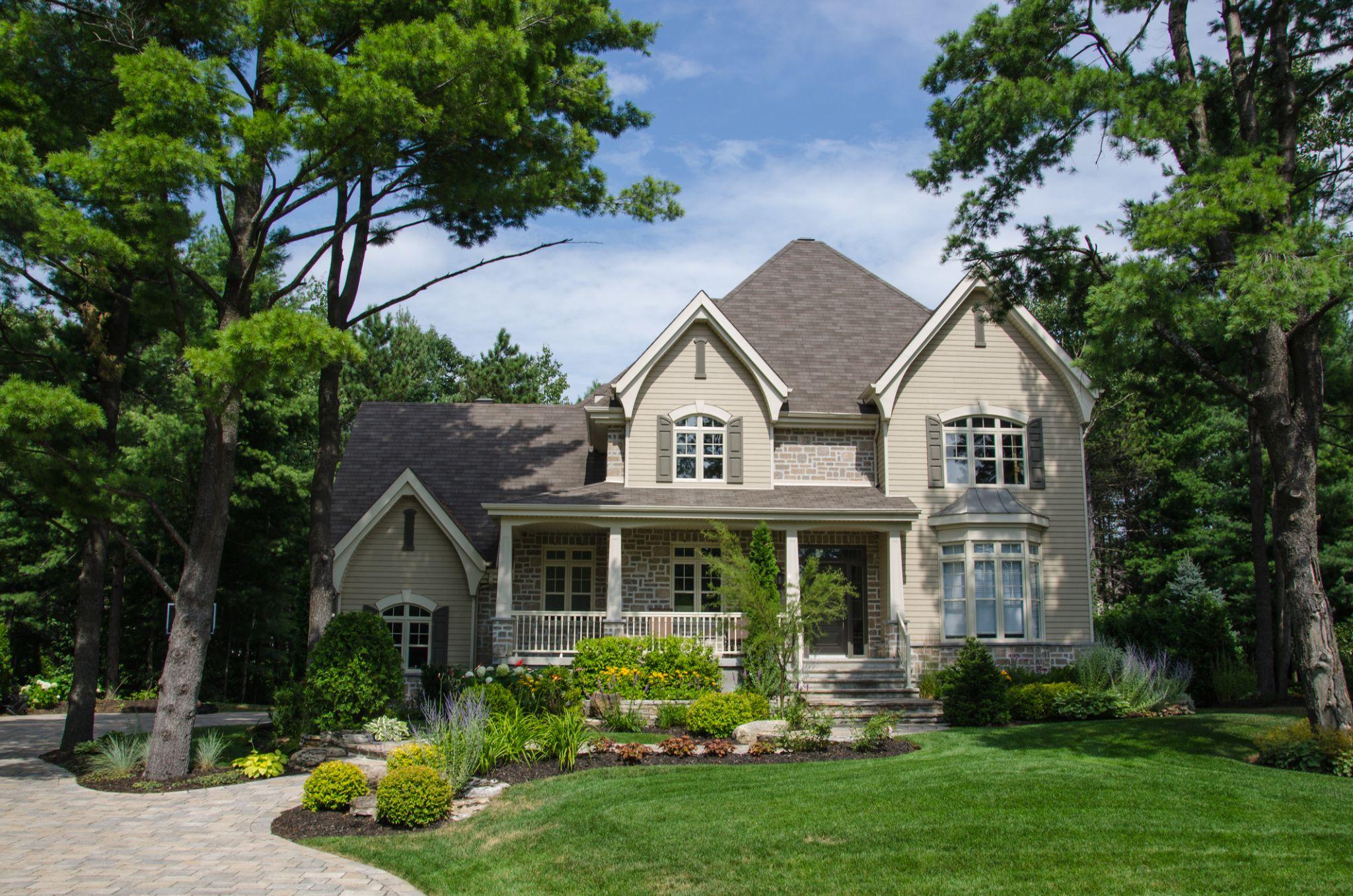
Many homeowners come to us not knowing what the process actually involves or how long it takes. Here’s what to expect, from the first call to the finished project.
Step 1: Site Visit
We walk your property, talk through what you want to accomplish, identify any site conditions that will affect the design (slope, drainage, sun exposure, existing vegetation), and begin to understand your priorities. We listen closely to your needs because the best landscape projects solve real problems, not just aesthetic ones.
Step 2: Design Development
After the consultation, our design team develops a 2D plan and, for most projects, a 3D rendering so you can see what the finished space will actually look like. This isn’t a generic stock illustration — it’s your property, your plants, your layout. Revisions happen here, before anything is built. The design phase typically takes two to four weeks, depending on project complexity.
Step 3: Materials Selection at the Nursery
Once the design direction is approved, we walk you through our nursery to select plants and review hardscape materials. You see exactly what’s going on in your yard. This step typically takes a few hours, and homeowners consistently tell us it’s one of the most useful parts of the process.
Step 4: Project Scheduling
In Wisconsin and Minnesota, outdoor construction is weather-dependent. The best projects, especially those involving hardscaping and planting, are booked in late winter and early spring for summer execution. We’ll give you a realistic construction window and keep you informed as scheduling is confirmed.
Step 5: Construction
You will have a dedicated project manager to keep work on track and bring your project to life. Your project manager will walk you through what to expect before work begins, including what your property will look like during construction and how disruption to your daily routine will be minimized.
Construction timelines vary significantly by scope: a patio installation might take three to five days; a full backyard renovation with retaining walls, outdoor living, and planting could take three to five weeks.
Step 6: Post-Project Walkthrough
When work is complete, we walk through the project with you. This isn’t a formality — it’s a chance to review everything, ask questions about plant care and irrigation setup, and make sure you’re completely satisfied before we close out.
The biggest thing we hear from clients afterward is that they wish they’d started the process earlier. The way to design and build a landscape well is to begin planning before the ground thaws, not after.
What Services Are Included in a Full Landscape Design and Build?
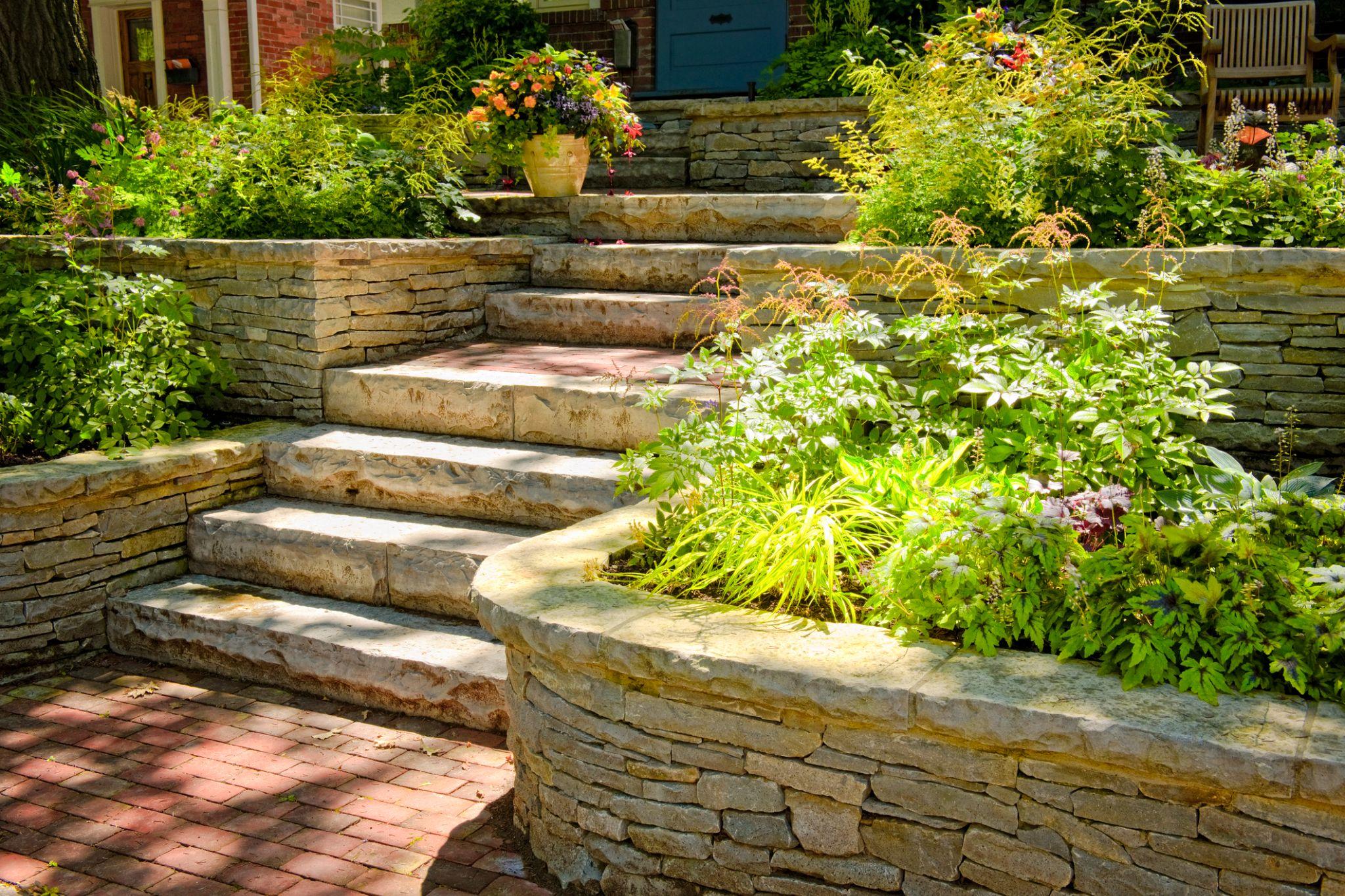
Willow River Company offers a full range of residential landscape services, which means your project can be as focused or as comprehensive as you need. Here’s what that looks like in practice.
Hardscaping and Structural Work
Hardscaping is the backbone of any outdoor space: patios, pathways, steps, retaining walls, driveways, and drainage systems. Done right, it lasts decades. Done wrong, it fails at the first hard frost.
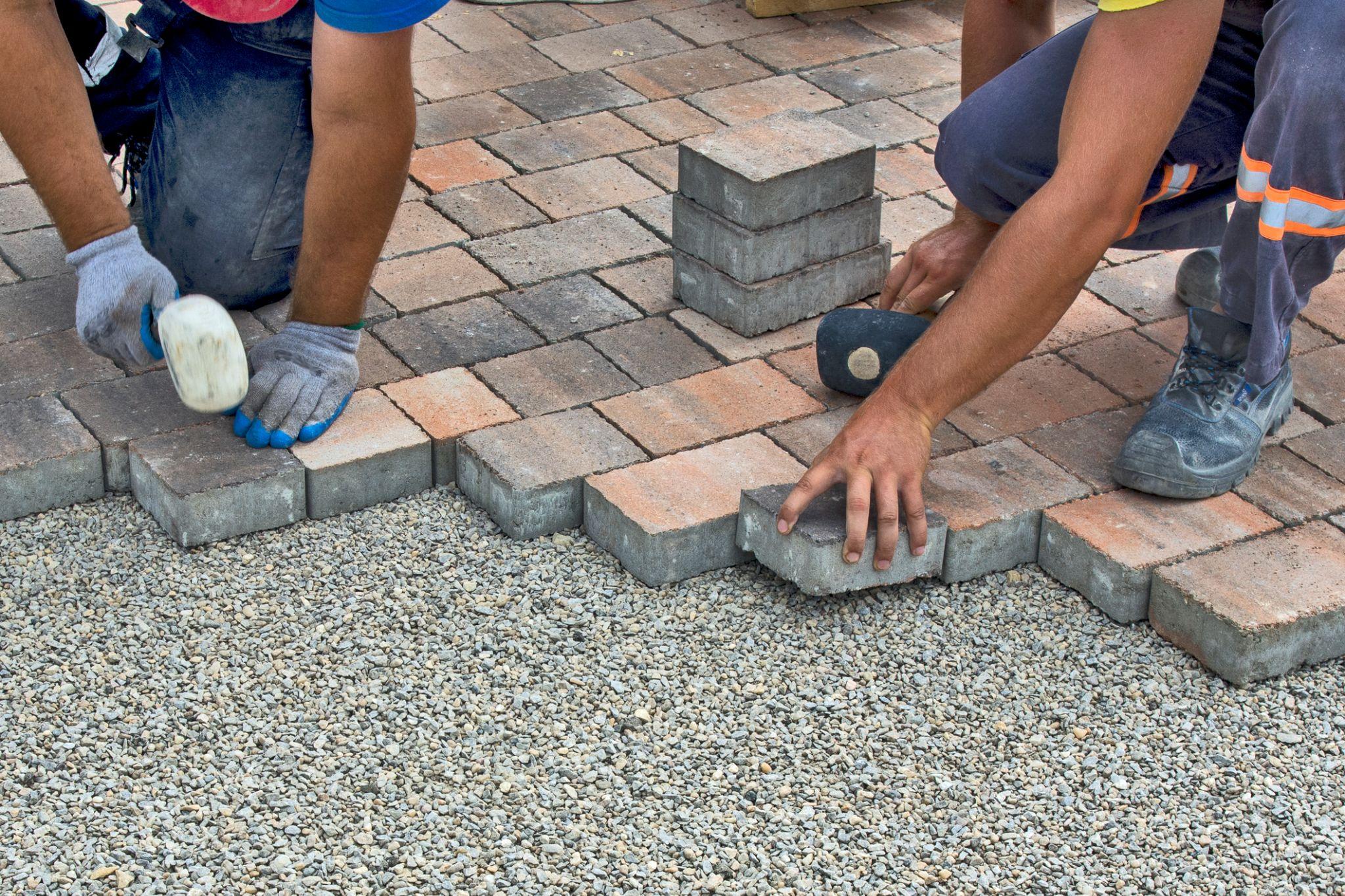
Our hardscape crew includes ICPI-certified paver installers. ICPI (the Interlocking Concrete Pavement Institute) sets the installation standards for concrete and natural stone pavers, and certified installers are trained in base preparation, edge restraint, pattern layout, and drainage considerations specific to different climates. In the St. Croix River Valley, where frost depth regularly exceeds 40 inches, proper base installation isn’t optional — it’s the difference between a patio that stays flat and one that heaves, shifts, and settles within a few seasons.
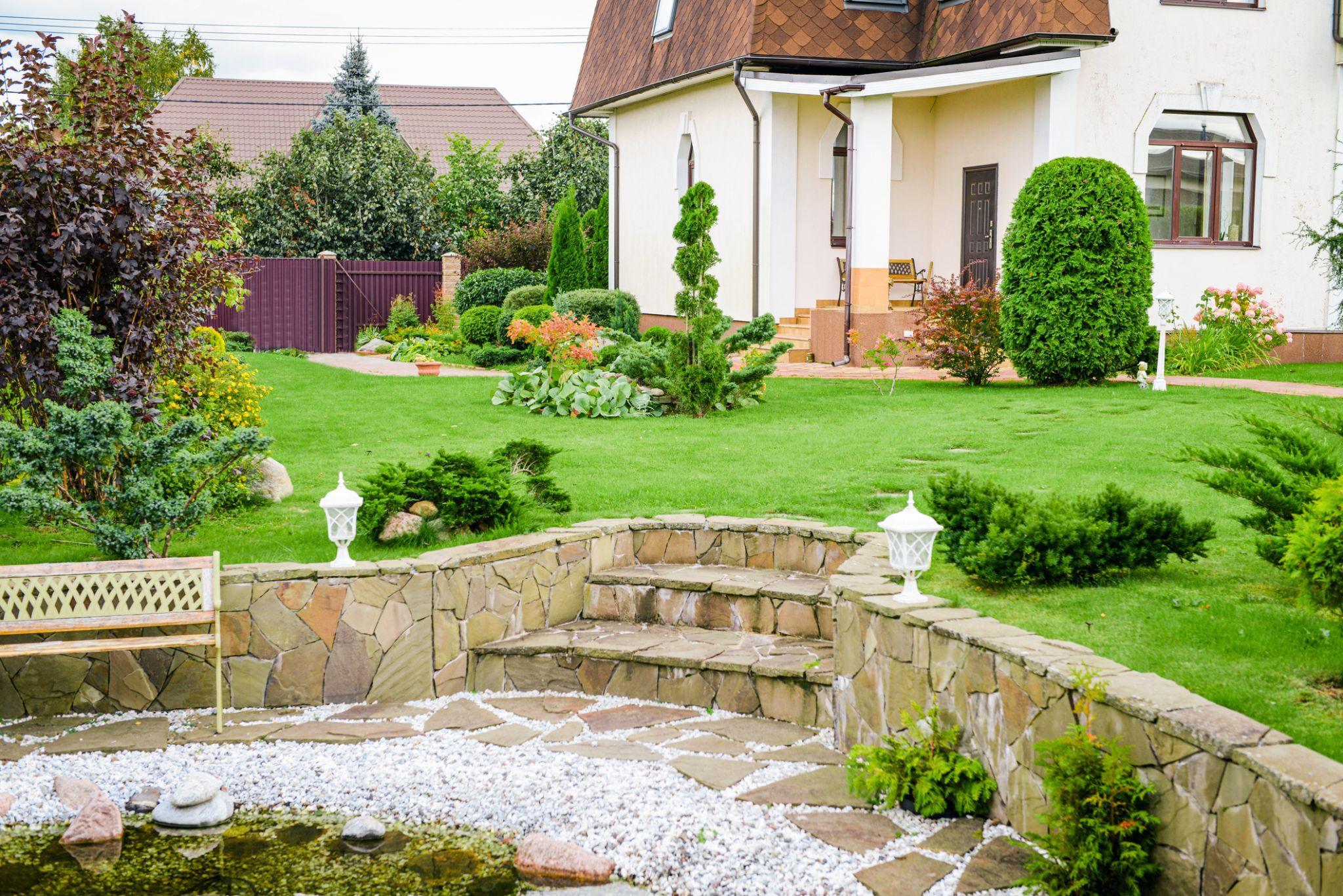
Retaining walls are a common project element in this region. Many lots, especially in Hudson and along the river bluffs, are sloped, limiting usable outdoor space. A well-designed retaining wall doesn’t just hold soil in place; it creates level areas for patios, planting beds, and lawn, and it can become a strong aesthetic element in its own right. We design and build retaining walls in a range of materials, from segmental block to natural stone, sized and engineered for the specific site conditions.
Drainage is something most homeowners don’t think about until they have a problem. We think about it before the problem exists. Many properties in the St. Croix River Valley sit on clay-heavy soils that don’t drain well, especially after snowmelt. Integrating proper drainage into a hardscape design, rather than treating it as an afterthought, protects the investment and keeps your yard functional after a heavy rain.
Planting and Softscape Design
Softscape design includes planting beds, turf, lawn areas, ornamental trees, garden borders, and seasonal containers. Plants are what bring a landscape design to life, but selecting the right plants for this climate takes real knowledge. Eastern Minnesota and Western Wisconsin’s growing zone, combined with its specific soil conditions and the temperature swings between January and July, means that what works in a catalog from a national nursery may not perform the same way here.
Our design team works from our on-site nursery, which means every plant specified in a design is one we’ve grown, sourced, and stand behind. We focus on plants that perform in this region: native species that provide structure and wildlife habitat, ornamental trees and shrubs that offer multi-season interest, perennial beds that are manageable for homeowners who want beauty without a full-time maintenance commitment.
Outdoor Living Features
The outdoor living category has grown substantially in recent years, and for good reason: a well-designed outdoor room extends your livable space from roughly five months to closer to nine. In the St. Croix River Valley, that means designing spaces that are genuinely comfortable from early spring through late fall.
We design and build fire pits and fire features, pergolas and shade structures, outdoor kitchens, and pools. Each of these adds both function and value to a property, and each requires careful integration with the surrounding landscape design to look intentional rather than dropped in.
Drainage and Water Management
Proper irrigation keeps a landscape investment alive through dry stretches without overwatering (which is the more common error). Proper drainage keeps water away from foundations, prevents erosion, and protects hardscaping from the freeze-thaw damage that’s endemic to this region.
Both systems are best designed into a project from the start, not added after the fact. Our team designs and installs irrigation systems sized to the specific plant and lawn areas of each project, and addresses drainage as part of the initial site analysis rather than as a retrofit.
How to Choose a Landscape Design and Build Company Near You
When homeowners search for a landscape design and build near me, they’re usually hoping to find someone local. Here’s how to actually evaluate what you find. This is genuinely useful advice, not a sales pitch, because the difference between a good hiring decision and a frustrating one often comes down to a few specific things you either asked about or didn’t.
Do they design in-house?
Some contractors outsource design to a third party and then build from those plans. This can work, but it creates the handoff problem described above. Ask directly: Does your design team communicate with your construction crew throughout the project?
Can you see the design before anything is built?
A 2D plan shows dimensions and layout. A 3D rendering shows you what the finished space will actually look like. Both matter — 2D for accuracy, 3D for visualization. If a contractor is quoting and scheduling without showing you a rendered design first, you’re taking a significant leap of faith.
Do they have an on-site nursery or plant sourcing you can see?
Being able to physically select plants and materials before construction starts is a meaningful advantage. You eliminate surprises and build confidence in the final product.
What certifications do they hold?
For hardscaping, ICPI certification for paver installers indicates adherence to installation standards that are specifically important in freeze-thaw climates.
For tree work: ISA Certified Arborist status indicates formal training in arboriculture. This is relevant if your project involves tree removal, pruning, or working around existing trees.
Do they have experience with local site conditions?
Do they understand St. Croix River Valley soil conditions, frost depth, and local permitting requirements? Ask specifically whether the contractor has worked in your area. If you’re searching for landscaping in Hudson, WI specifically, look for a Hudson, WI landscape contractor with a local portfolio, not just a regional listing. For St. Croix River Valley landscaping more broadly, the right contractor should be able to speak fluently to both the Wisconsin and Minnesota sides of the border — because permit requirements, soil types, and growing conditions can vary even within a short drive.
Who will manage your project?
You should have a named point of contact, someone you can call or text with questions.
What Does Landscape Design and BuildCost in Western Wisconsin and Eastern Minnesota?
Landscape projects in the St. Croix River Valley vary depending on your property and what you are looking for. We do not have an exact number, but what we can tell you is what drives that variation.
Project Scope and Complexity
A straightforward patio installation costs less than a full backyard renovation that includes a retaining wall, outdoor kitchen, planting plan, and irrigation. Both are design-build projects — they’re just different in scale.
Site Conditions
A flat, open suburban lot in Hudson is straightforward to work on. A steeply sloped bluff property with limited equipment access, challenging soil conditions, and significant grade changes requires more labor, more engineering, and often more material. The Wisconsin State Climatology Office notes that freeze depth in our region can reach 4 feet or more, which directly affects how deep footings, drainage systems, and paver bases must be installed. That’s a real cost factor that contractors from outside this region sometimes underestimate.
Material Choices
Concrete pavers, natural stone, and composite materials all perform differently and carry different price points. The right choice depends on the design, the application, and your priorities around maintenance.
Design Complexity
A standard rectangular patio with a single planting bed is different from a multi-level hardscape with curved edges, integrated lighting, and a mix of materials. Both are achievable, but they’re not the same investment.
Permits
Depending on your municipality, certain projects — retaining walls over a specified height, pools, structures — may require permits and inspections. St. Croix County, the City of Hudson, and municipalities across the river in Minnesota all have different requirements. We help clients navigate this as part of the project planning process, but it’s worth knowing from the start that permitting timelines can affect project scheduling.
What we can tell you is that quality hardscaping — installed correctly, with proper base preparation and appropriate materials for this climate — holds its value over decades. Projects installed without proper specs often require repair or replacement within five to ten years. In that context, the cost of doing it right the first time is almost always the better investment.
The best way to get a real number is to book a consultation. We’ll walk the property, understand the scope, and come back with a project-specific quote.
Landscape Design and Build Projects in the St. Croix River Valley: What’s Possible?
The range of projects we build across Western Wisconsin and Eastern Minnesota is broad — but a few archetypes come up again and again, because they reflect the real challenges and opportunities of properties in this region.
Steep Lots with Retaining Walls and Outdoor Living Areas
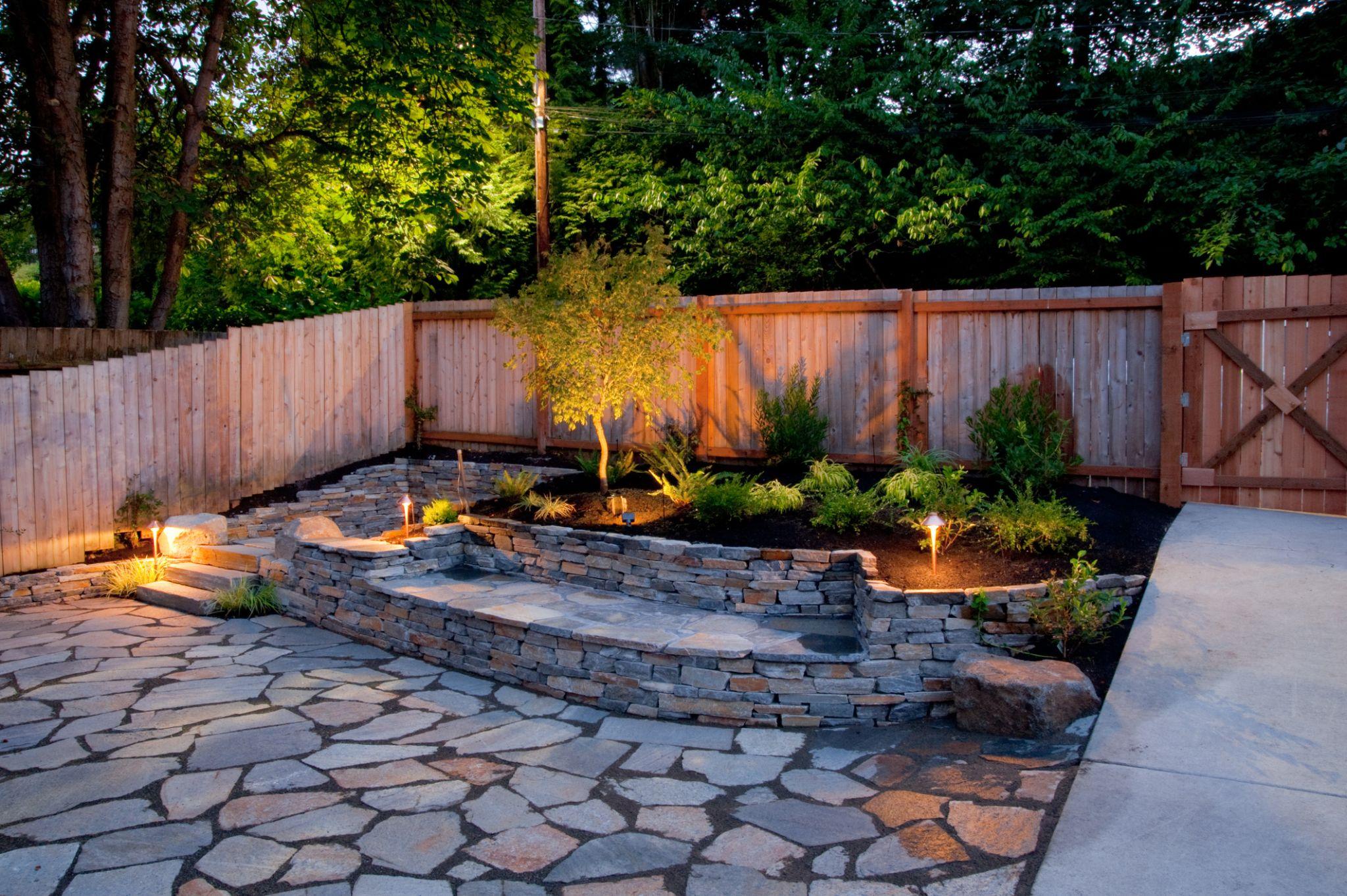
Many properties in Hudson and along the St. Croix bluffs have significant grade changes that limit usable outdoor space. The solution is usually a combination of engineered retaining walls — designed to handle the soil load and freeze-thaw stress specific to this region — and leveled terraces that create patios, lawn areas, and planting zones. A fire pit or fire feature is often added at the lower level, taking advantage of the natural amphitheater effect of a terraced lot. The result transforms a property that felt difficult to use into one with multiple distinct outdoor living areas.
Suburban Backyards with Patios and Outdoor Kitchens
This is probably the most common project type in established neighborhoods in Hudson, River Falls, and across the border in Stillwater and Woodbury. Starting with a blank or underutilized lawn, a well-designed patio and outdoor kitchen creates a functional, social outdoor room that extends the household’s living space from May through October. Material choices — paver style, countertop surface, structure material for the pergola — are made in the nursery and showroom before construction begins.
Lakeside or waterfront property with naturalistic planting and drainage
Waterfront properties in the St. Croix River Valley come with specific considerations: shoreline buffers, soil erosion, drainage that keeps runoff away from the water, and a planting palette that works with the natural character of the site rather than against it. Native species — sedges, native shrubs, flowering perennials — are often the right answer both aesthetically and ecologically. These projects tend to involve careful coordination with existing trees and a design approach that works with the natural topography.
Front yard curb appeal and entry experience
Not every project is a backyard renovation. A well-designed front yard — with structured planting beds, a defined walkway, specimen trees, and seasonal containers — dramatically changes the experience of arriving at your home and the impression it makes. These projects are often more achievable in scope and budget than a full backyard build, and they deliver visible results every day.
Start Your Landscape Design and Build Project in the St. Croix River Valley
The homeowners we work with in Hudson, River Falls, Stillwater, and across the St. Croix River Valley have one thing in common: they want to know that the company they hire understands their property, this climate, and what it takes to build something that lasts.
That’s what 35+ years in this region provides. Our design team, our certified installers, and our on-site nursery are all here because we’ve built our business around doing this work well. When you’re ready to talk about your project, we’re ready to walk your property.
Request a free consultation with the Willow River Company design team. We’ll visit your site, listen to what you’re trying to accomplish, and give you a clear picture of what’s possible.
Tags: