
How to Design a Multi-Season Landscape in Wisconsin
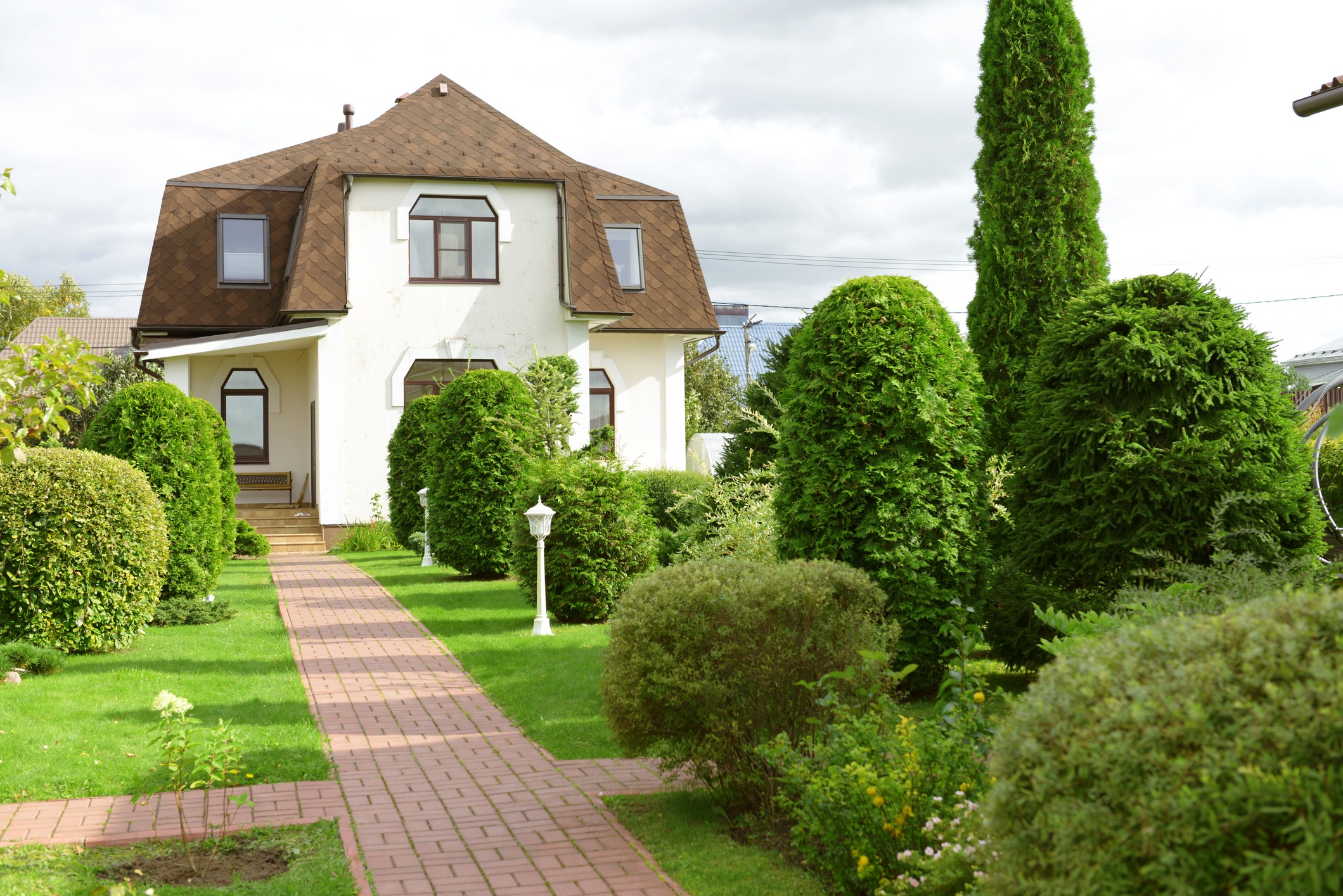
Wisconsin’s changing seasons give your yard four very different personalities. In July, lush plants and green grass may fill every corner; by November the same beds can look barren and grey. Many homeowners feel disappointed when the garden they nurtured all summer fades into dormancy.
A multi-season landscape can solve that problem.
Rather than focusing on one season, this approach ensures there is always something beautiful to enjoy, from the first crocus of spring to the last snow‑dusting on evergreen boughs.
A multi-season landscape doesn’t happen by accident. It requires planning and a willingness to think about how plants and structures will work together through spring, summer, fall and winter. By choosing a mix of evergreens, deciduous shrubs and seasonal flowers, you create a garden that evolves over time yet never feels empty.
In this blog, you’ll learn how to build this year‑round beauty from the ground up. You’ll discover design tips, plant suggestions, and maintenance practices that support a four‑season garden. If the idea of bringing all the pieces together feels overwhelming, remember that professional help is available.
What Goes Into Planning Year‑Round Landscaping?
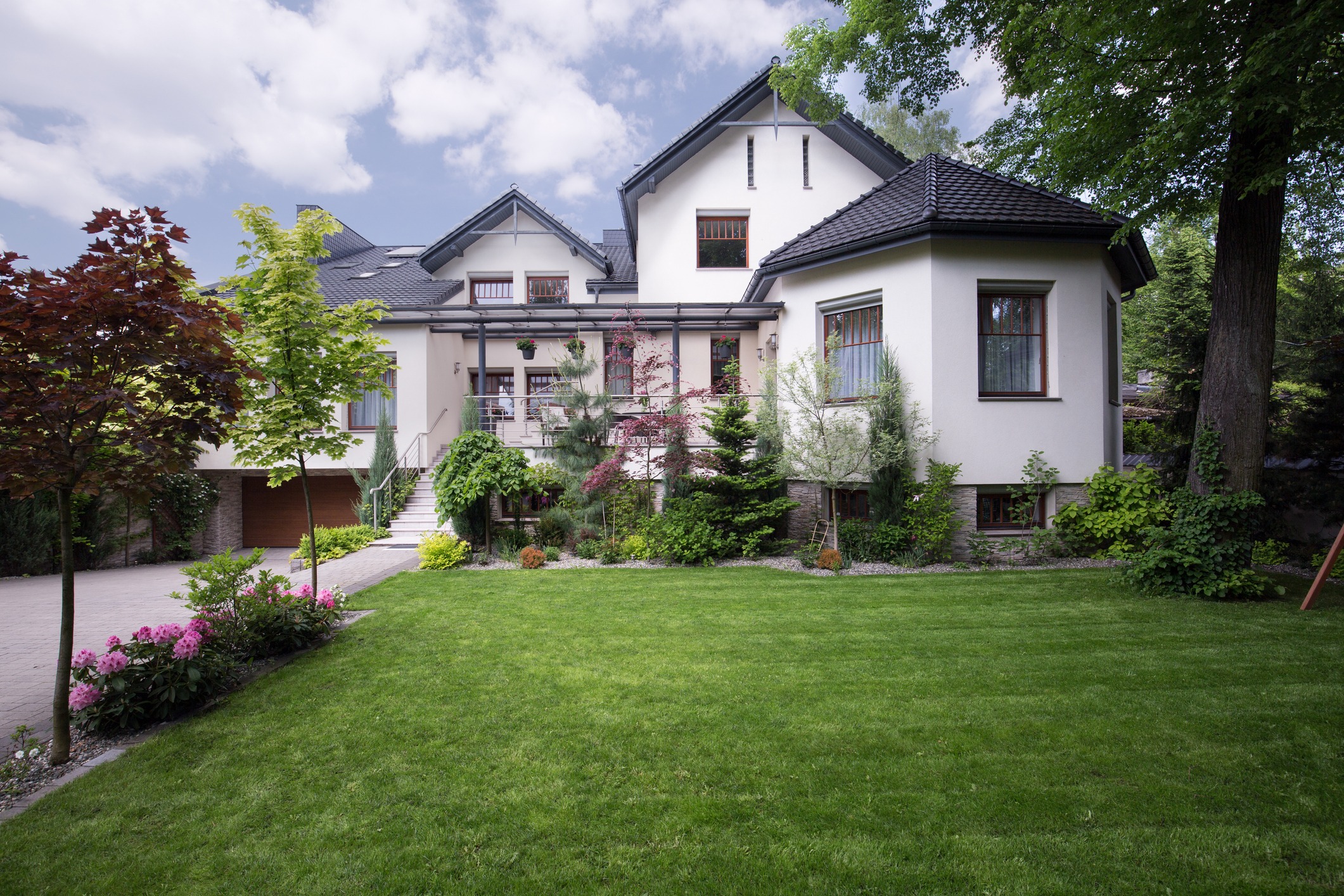
Creating a multi-season landscape starts with an honest assessment of your yard. Look out from your favorite windows and decide where you need privacy, where you want a view and how you move through the space. Placing your key elements where you’ll see them most ensures you enjoy the garden in all weather.
Focus first on structure: conifers like spruce or pine, along with broadleaf evergreens such as boxwood and holly, form a permanent backdrop that stays green when everything else is bare. Hardscape features like paths, walls, trellises and seating areas, give shape to the garden and hold your eye in winter. When these bones are in place, your yard will never feel empty in January.
Deciduous plants can add interest even when leaves are gone. River birch and paperbark maple have peeling bark with warm tones, while red‑twig dogwood and golden willow glow against snow. Berry shrubs like viburnum and winterberry holly hold fruit that feeds birds and adds pops of color.
Arrange taller plants at the back of beds and shorter ones in front to create depth. Combining evergreen structure, textured bark and persistent fruit sets the stage for the seasonal stars to come and makes your multi-season landscape feel intentional from the very start.
What Spring Features Make Your Garden Pop?
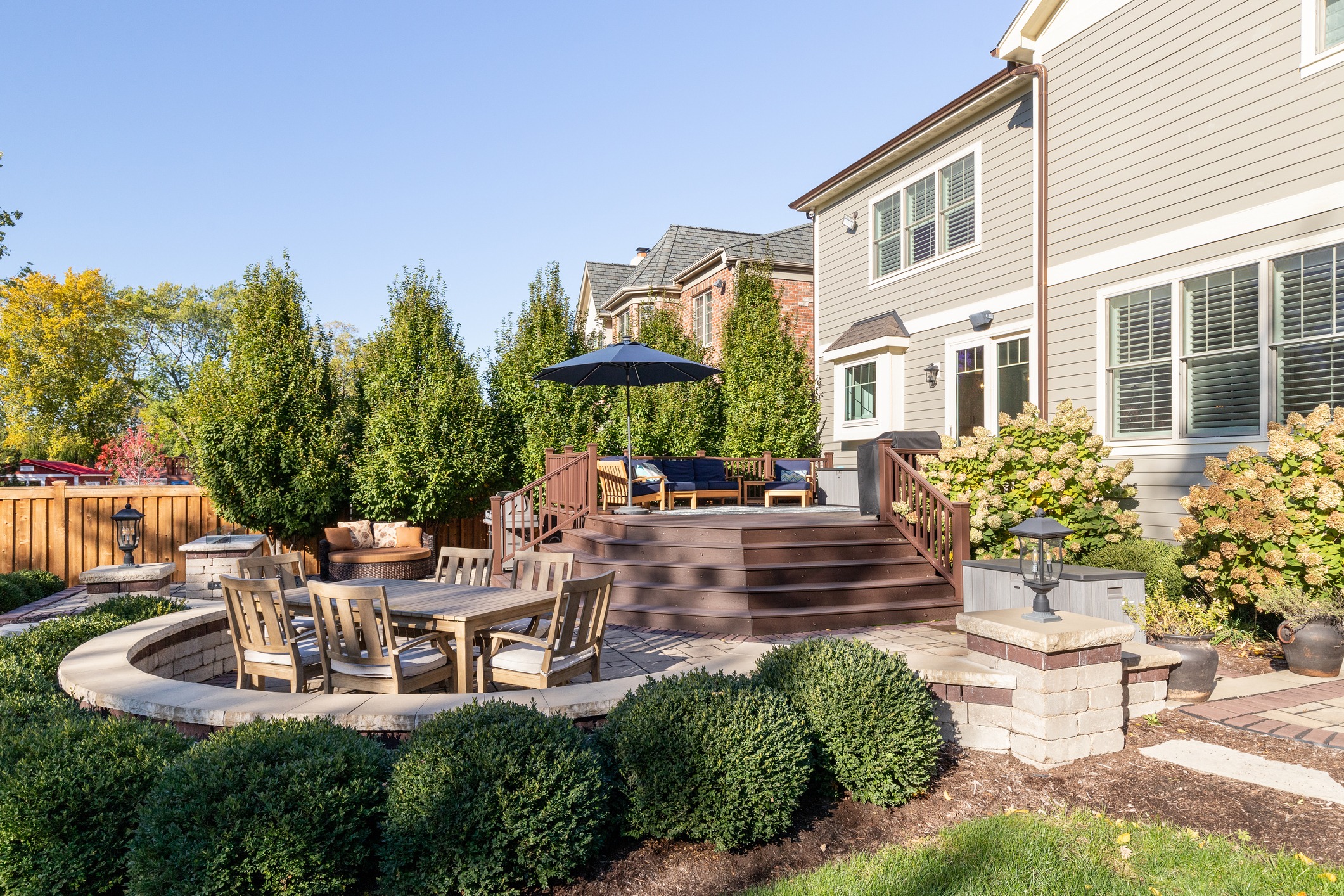
Spring signals renewal, and your multi-season landscape should announce it with early color and fragrance. Plant spring bulbs such as tulips, daffodils, and hyacinths in clusters so they make a statement. Smaller bulbs like crocus and snowdrop naturalize to create carpets under trees.
Mixing early, mid‑season, and late varieties extends the display for weeks and hides fading foliage beneath emerging perennials. Shrubs and trees also bring spring interest: forsythia explodes with yellow flowers at snowmelt, while magnolia and crabapple trees unfurl pink or white blossoms that attract pollinators.
Serviceberry offers delicate blooms, edible berries, and colorful fall leaves, making it a good choice for a multi-season landscape. Early perennials like iris, bleeding hear,t and lungwort bridge the gap between bulbs and summer bloomers, ensuring your garden wakes up in layers. By combining bulbs, shrubs, and perennials in the right places, spring becomes a standout season in your yard.
Some quick spring ideas to try:
- Cluster bulbs for impact: Groups of tulips, daffodils or crocuses create bold drifts of color. Plant them in drifts rather than single rows for maximum effect; your multi-season landscape benefits when bulbs pop up in waves.
- Add flowering shrubs: Forsythia, magnolia and serviceberry provide early blossoms and often carry other benefits such as berries or fall color.
- Incorporate early perennials: Iris, bleeding heart and lungwort fill the space between bulbs and later flowers. Their foliage hides bulb leaves as they fade and keeps your beds looking tidy.
What Are the Highlights of Summer Gardens?
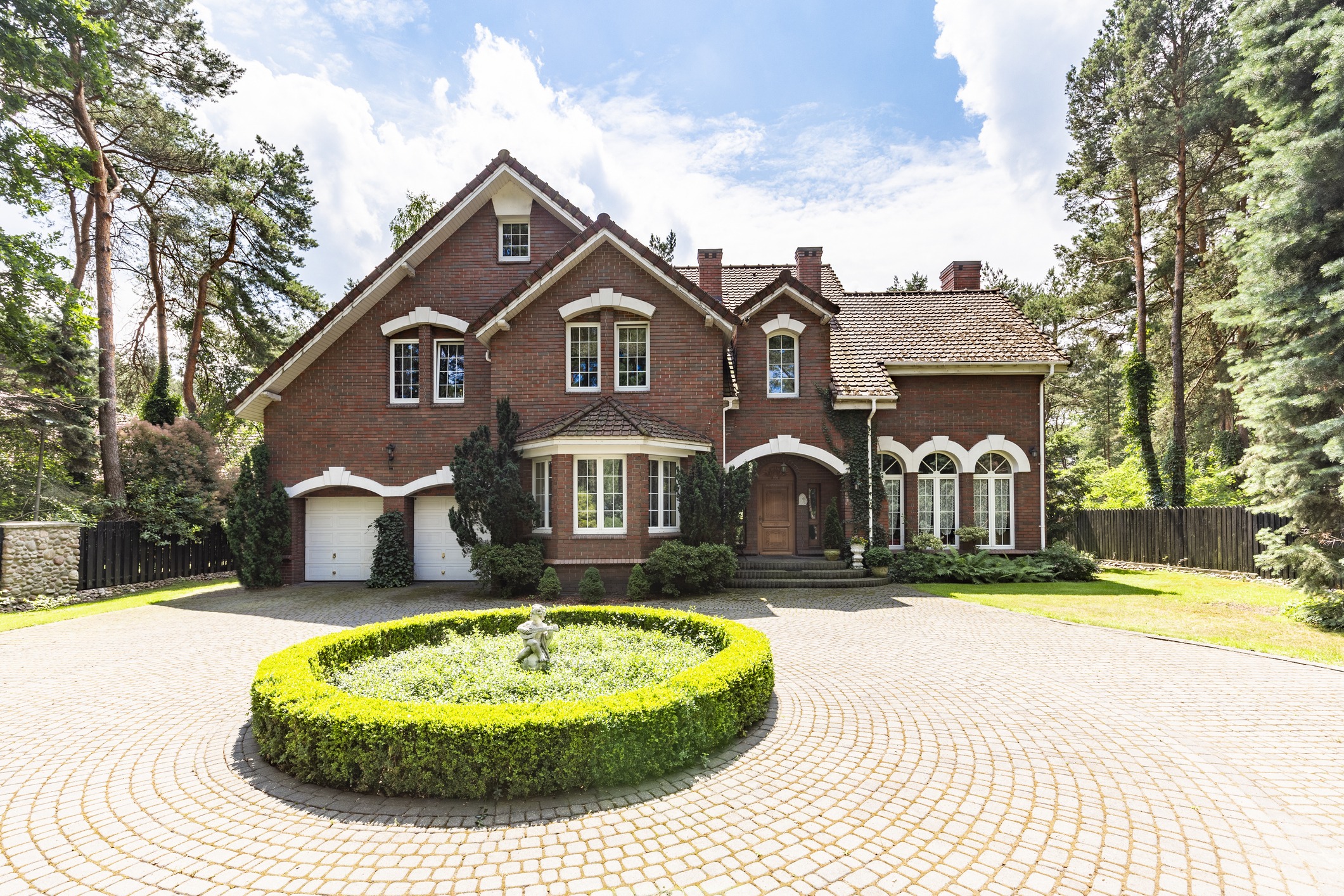
Summer is the season of abundance. Your multi-season landscape should reflect this with a variety of perennials and foliage plants that thrive in warmth. Choose stalwarts like daylilies, hostas and coneflowers, which flower reliably through heat and humidity. Supplement them with long‑blooming species like blanket flower and phlox to keep color going for months.
Native prairie plants such as blazing star and prairie dropseed add texture and movement and attract butterflies and birds. In shady spots, plant ferns, coleus or caladium for a colorful contrast to blooms.
For structure and comfort, use tree canopies and vines on pergolas to provide relief from the sun. Ornamental grasses sway gracefully and begin forming seed heads in late summer. Mixing flowers, foliage and structure ensures your multi-season landscape remains engaging even between bloom cycles.
- Long-blooming perennials bring color all season. Look for varieties that flower for weeks rather than days so you always have a focal point in your multi-season landscape.
- Native prairie plants are adapted to local conditions and support wildlife. Their deep roots help them handle dry spells and their textures add movement to the garden.
- Foliage and shade plants provide visual interest when flowers pause. Variegated leaves and graceful grasses keep beds lively and offer cool spots for relaxing.
How Do You Bring Autumn Colors & Texture?
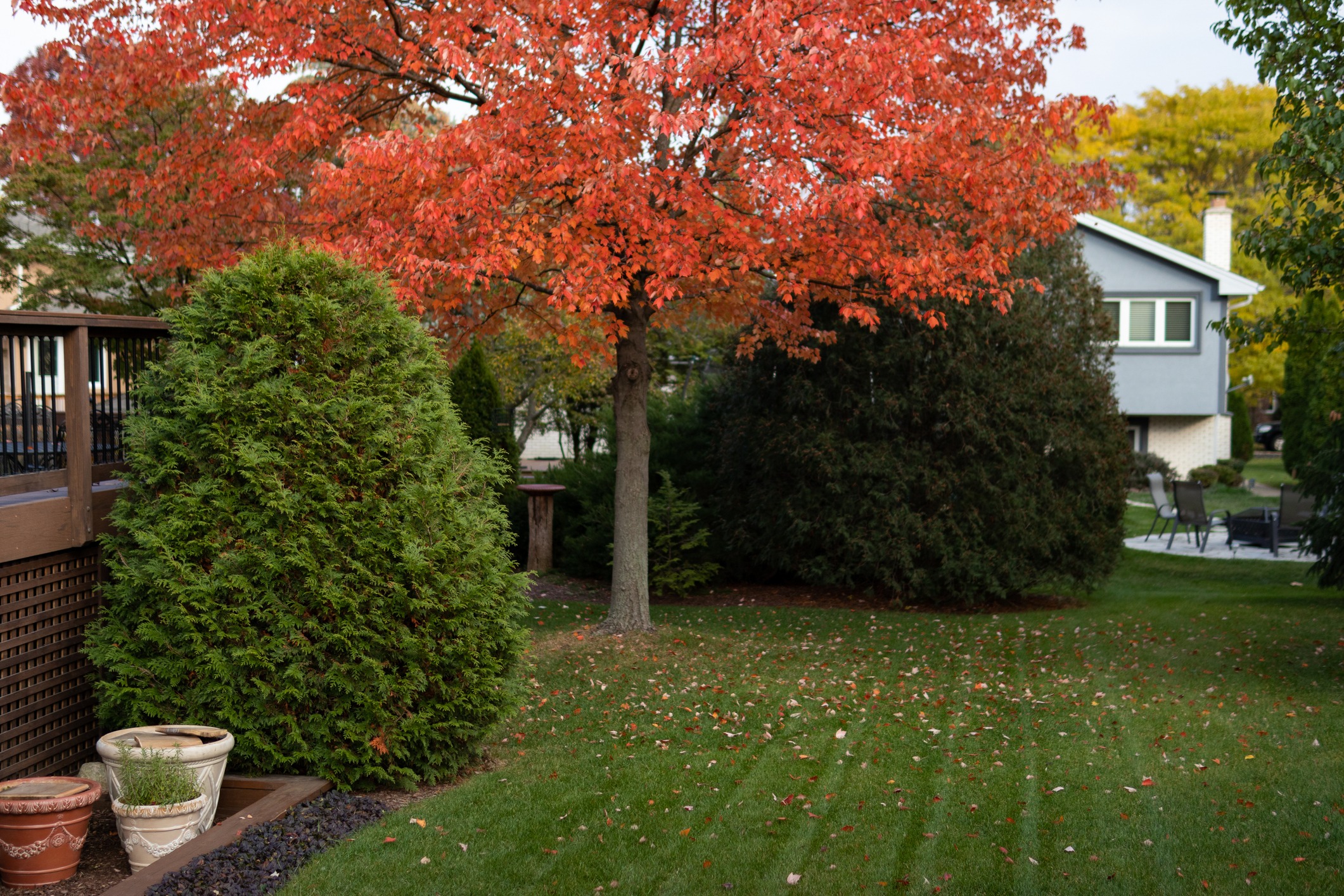
Autumn is Wisconsin’s showiest season, when leaves turn brilliant shades and late flowers grace the beds. Your multi-season landscape should celebrate this time with plants that provide color, texture and food for wildlife even as the weather cools. Think of autumn not as an end but as a crescendo in your garden’s year.
Trees & Shrubs
Deciduous trees are the stars of fall, with maples and birches ablaze in red, orange and gold. Shrubs can add multiseason interest too: chokeberry and viburnum offer white flowers in spring, dark berries in summer and colorful foliage in fall.
Winterberry holly drops its leaves but retains bright red berries that birds love; you’ll need a male plant nearby for fruit set. Serviceberry combines spring blooms, edible berries and vivid autumn color, making it a versatile choice for a multi-season landscape.
Perennials & Grasses
Late‑blooming perennials keep the show going after summer plants fade. Asters, mums and sedum light up the garden with purples, yellows and pinks. Goldenrod and Japanese anemone add warm hues and feed migrating pollinators.
Leave seed heads of coneflowers and black‑eyed Susan standing; they form sculptural silhouettes when frosted and provide food for birds. Ornamental grasses such as Miscanthus and switchgrass reach their peak with feathery plumes and foliage that turns bronze or gold. Because many grasses remain upright into winter, they bridge the seasons and anchor the multi-season landscape.
How Do You Create Winter Interest?

Winter doesn’t have to mean a dull garden. In a multi-season landscape, the cold months are alive with color and form. Evergreen trees and shrubs such as spruce, pine, fir, cedar, boxwood and holly provide greenery that stands out against snow. Their shapes anchor the garden when other plants have died back.
Colorful stems and fruits offer contrast. Red‑twig dogwood and golden willow glow on grey days, while shrubs like viburnum, chokeberry and winterberry holly retain berries that feed birds and add bright accents.
Crabapple trees hold small fruits that look like ornaments. Seed heads of perennials, such as coneflowers, yarrow and sedum, catch frost and shimmer in low light. Ornamental grasses stand tall and sway in the wind.
Hardscape accents, whether stone benches or simple sculptures, become focal points. When combined thoughtfully, these elements ensure winter feels like another chapter in the garden rather than an empty pause.
How Do You Balance the Seasons in Your Landscape?
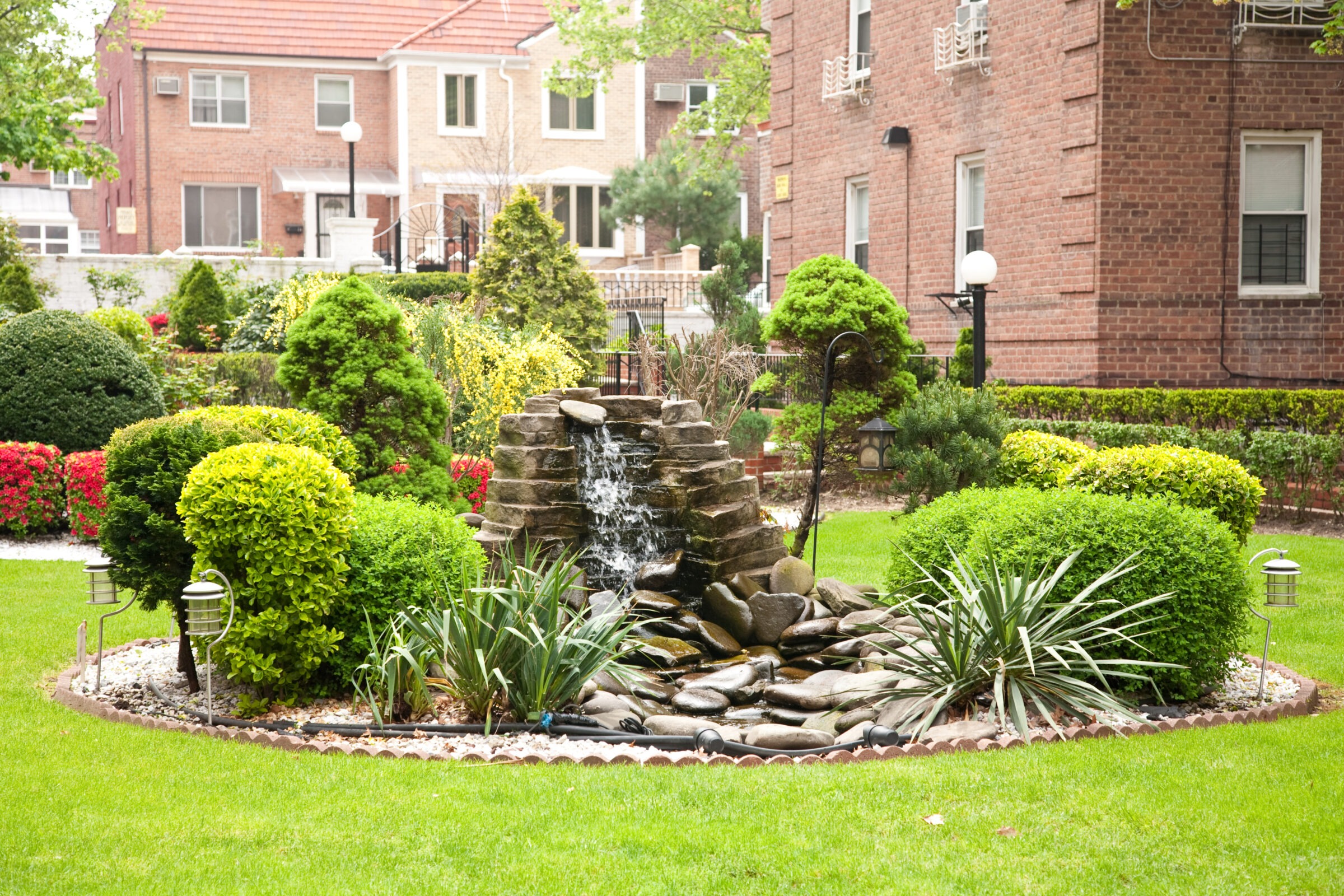
To keep your garden interesting across all four seasons, consider it a symphony. Each plant has a moment to shine, and careful planning ensures there’s always something in bloom or providing structure.
By arranging plants for succession and paying attention to care, you’ll enjoy a landscape that never feels empty.
Succession Planting
Succession planting is the art of timing. Combine early bulbs and perennials with mid‑season flowers, late bloomers and plants that shine in winter so that one group picks up as another fades. Scatter these performers throughout the yard so every bed offers color and texture at different times. Mix heights and leaf shapes to create depth and avoid monotony. This thoughtful arrangement is the backbone of a multi-season landscape.
Maintenance & Care
Routine care keeps your multi‑season design thriving. Water new plantings until their roots establish, then taper off. Mulch to conserve moisture and suppress weeds. Prune spring‑flowering shrubs after they bloom and cut back summer and fall bloomers in late winter.
Leave seed heads and grasses standing until late winter, then remove them before new growth emerges. Remember to plant both sexes for fruiting shrubs like winterberry holly if you want berries.
- Water wisely: Deep watering helps roots grow strong; once established, reduce frequency.
- Mulch regularly: A layer of organic mulch keeps soil moisture even and discourages weeds.
- Prune at the right time: Timing cuts correctly prevents loss of flowers and encourages healthy growth.
- Encourage wildlife: Leaving seed heads and berries provides food and shelter for birds through the colder months.
Create a Multi‑Season Landscape That Inspires
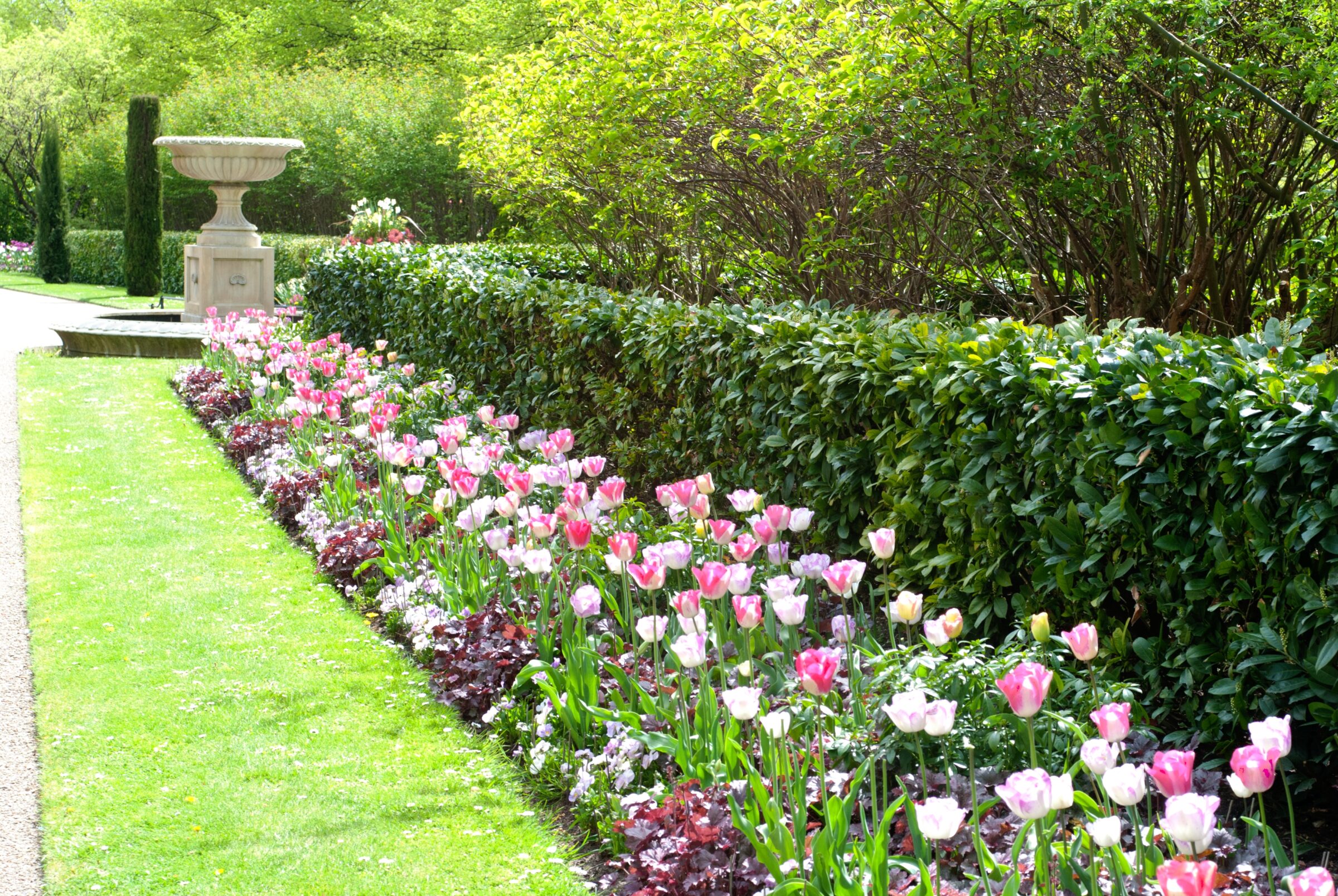
Picture a yard that delights you in every season: crocuses peeking through melting snow, perennials swaying in summer breezes, maples blazing with color in October, and evergreens standing tall under a layer of snow. A multi-season landscape makes these scenes real and turns your yard into a living extension of your home.
Pulling all the pieces together takes planning and know‑how. Willow River Company specializes in designing and building multi-season landscapes that suit Wisconsin’s climate. Our umbrella of services means one dependable partner can handle site preparation, plant selection, hardscape construction, and lighting. A team of certified landscapers, horticulturalists, arborists, and designers stays current on best practices and communicates clearly so you always know what’s happening.
Ready to enjoy your yard year‑round? Whether you need help choosing plants or a full design, Willow River Company can guide you. You deserve a landscape that reflects your values and provides beauty every month.
Request a quote today and start your journey toward a multi-season retreat.
Summary
Designing a multi-season landscape involves planning, plant selection and ongoing care. Assess your views and build a framework with evergreens and hardscape features. Add bulbs, flowering shrubs and early perennials for spring color. Fill summer with long‑blooming perennials, native plants and ornamental grasses. Choose trees and shrubs with vibrant autumn foliage, and leave seed heads and grasses standing for winter texture. Arrange plants for succession and maintain them with watering, mulching and seasonal pruning. With thoughtful design or help from Willow River Company, your garden can delight you in every season.
Tags: