
8 Signs Your Yard Needs a Landscape Design-Build Contractor
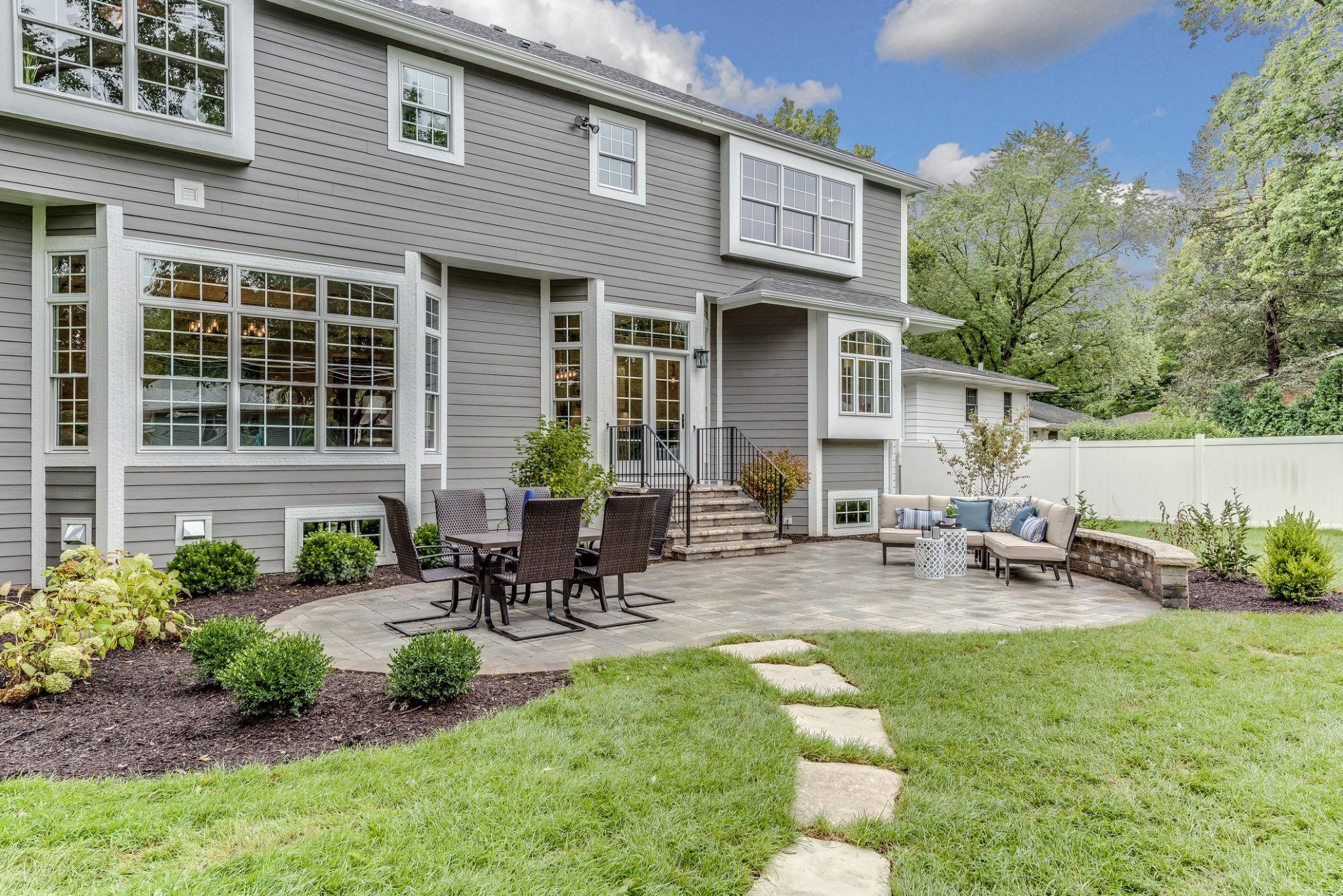
There’s a meaningful difference between a yard that needs maintenance and a yard that needs a plan. Maintenance keeps things tidy. Knowing how to design and build landscape solutions that actually work for your property — accounting for drainage, grade, soil type, and how you use the space — is a different conversation entirely. That’s what a landscape design-build contractor does, and it’s distinct from what a lawn care service provides. The landscape design process starts with what’s wrong, not with what plants to add.
In the St. Croix River Valley, where properties range from steep river bluff lots in Hudson to flat suburban quarter-acres in River Falls, and where the climate swings from –20°F winters to humid 90°F summers, those problems tend to be specific and structural. Erosion that gets worse every spring. A patio that heaves and cracks every freeze-thaw cycle. A section of yard you stopped thinking about years ago. If any of these sound familiar, you’re reading the right article.
1. You Have a Slope That’s Eroding Every Spring
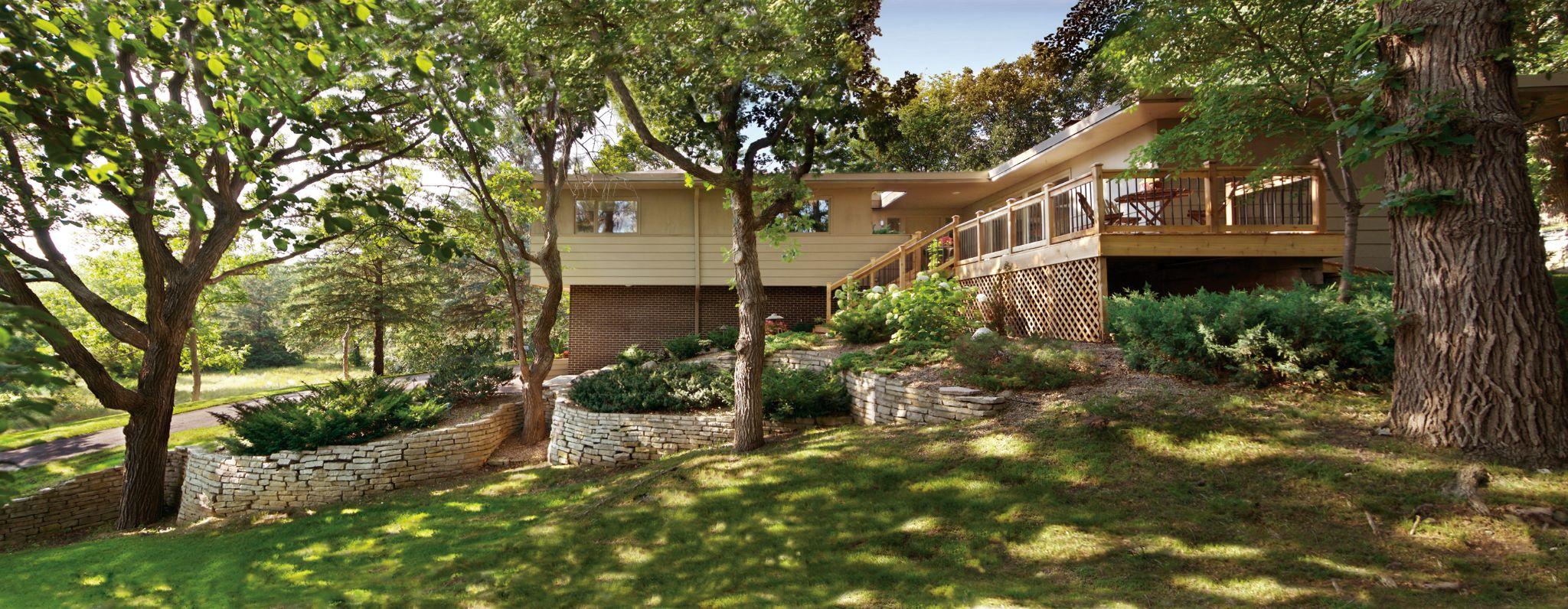
The spring thaw in Wisconsin and Minnesota is fast and forceful. Snowmelt runs downhill before the ground beneath it has fully thawed, carrying topsoil with it. If you’re watching the same slope lose material every April, or finding mulch and soil at the bottom of a grade that should be holding it, a mowing service isn’t going to solve that. You need a structural solution.
Retaining walls, terracing, and engineered slope planting are the tools a landscape design-build contractor deploys as an integrated system, not as separate fixes. The wall holds the grade. The drainage behind it manages water pressure. The planting stabilizes what the wall doesn’t cover. Those three elements have to be designed together to work, which is why a homeowner who installs a retaining wall without addressing drainage behind it often ends up with a failed wall within a few years.
Depending on the extent of the grade change, St. Croix County may require a grading or land disturbance permit before work begins. This is another reason to work with a licensed design-build contractor rather than attempting a DIY approach — permit coordination is part of what a professional contractor handles, not an extra step the homeowner has to manage separately.
Willow River Company’s design team assesses slope and drainage as part of the initial site consultation, before any design begins. For a deeper look at what goes into retaining wall solutions for sloped lots, our guide covers materials, drainage, and what to expect from the design and installation process.
2. Water Pools in the Same Spot Every Rain

Standing water after a rain event isn’t a plant problem; it’s a drainage or grading problem. The instinct is often to landscape around it: add a garden bed, plant something water-tolerant, or ignore it and hope the summer dry spell takes care of it. None of those approaches address what’s actually happening.
In many parts of the St. Croix Valley, especially at lower elevations near river systems, clay-heavy soils hold water significantly longer than sandy or loamy soils. When you add the volume of spring rainfall and snowmelt onto a yard that doesn’t drain well, the problem isn’t seasonal, it’s structural. Installing a patio or planting bed over a drainage problem doesn’t cover it up; it accelerates damage to whatever goes in over it.
The design-build solutions are French drains, re-grading, and dry creek beds — each of which addresses the underlying cause rather than the symptom. A French drain moves water away from the problem area through a perforated pipe set in gravel, invisible once installed. Re-grading corrects the slope so water flows away from structures rather than pooling against them. A dry creek bed is a drainage solution that also functions as a landscape feature, with rounded river stone and native plantings that look natural to this region.
3. You’ve Given Up on a Section of Your Yard Entirely
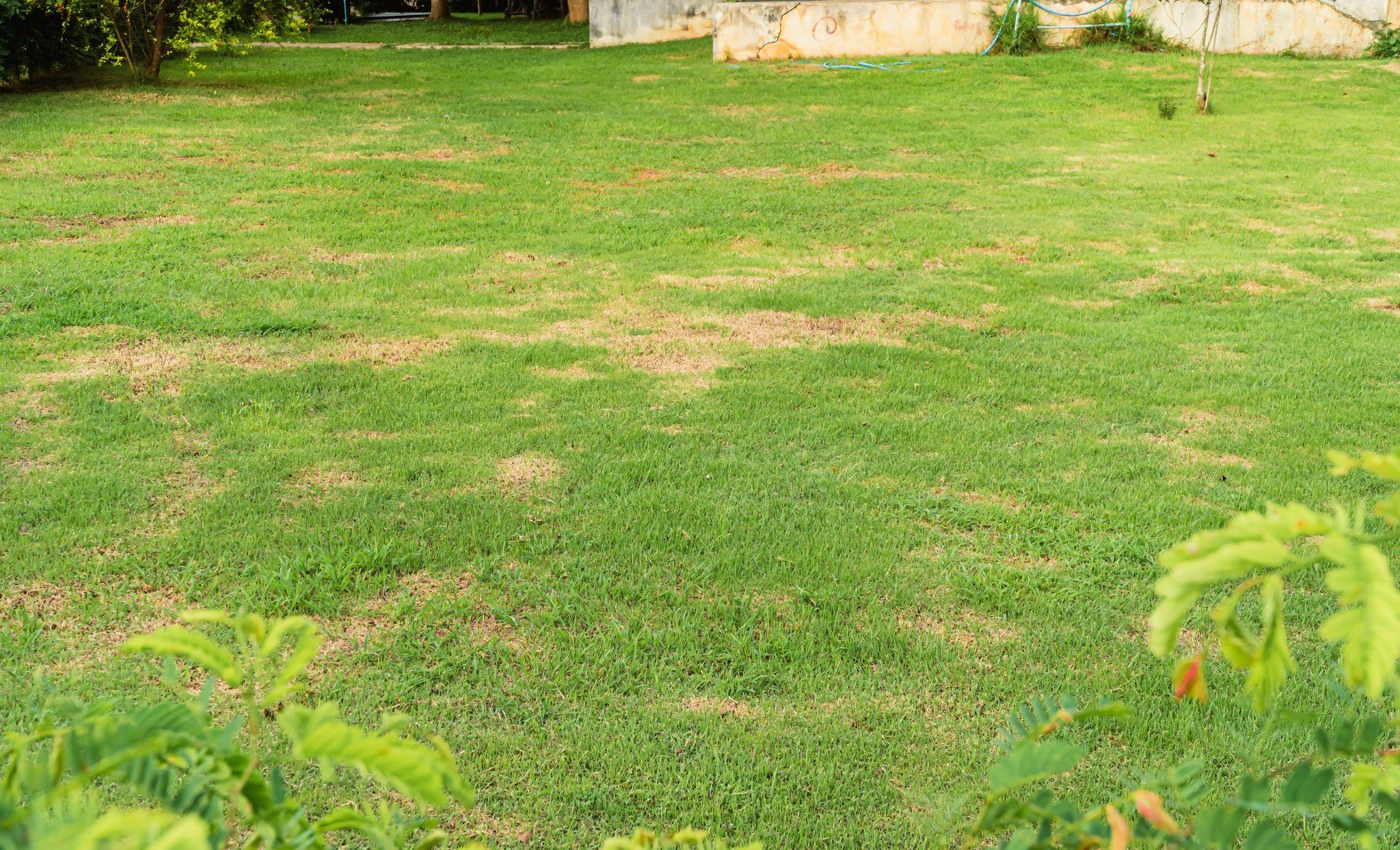
Most homeowners in the St. Croix Valley have one. The shaded area under the mature oaks is where nothing grows right. The low wet spot in the back corner. The steep slope along the property line that’s too awkward to mow and too ugly to ignore. Over time, these areas get mentally fenced off — not worth dealing with, not worth the cost, not worth trying again after the last attempt failed.
What looks like a problem lot to the homeowner is a design challenge a contractor has solved dozens of times. For example, north-facing shade gardens under a maple canopy, planted with native ferns, wild ginger, and shade-tolerant hostas, can become some of the most interesting parts of a landscape. Low-lying wet areas become rain gardens, designed to capture and slowly absorb runoff while adding seasonal wildflower interest. Steep grades become terraced entertainment spaces with retaining walls, fire features, and level lawn areas that didn’t exist before.
Willow River Company’s consultation process starts with what the homeowner currently dislikes about their space — not with what they want to add. The problems are usually where the most interesting design opportunities are.
4. Your Patio or Walkway Is Heaving, Cracking, or Sinking
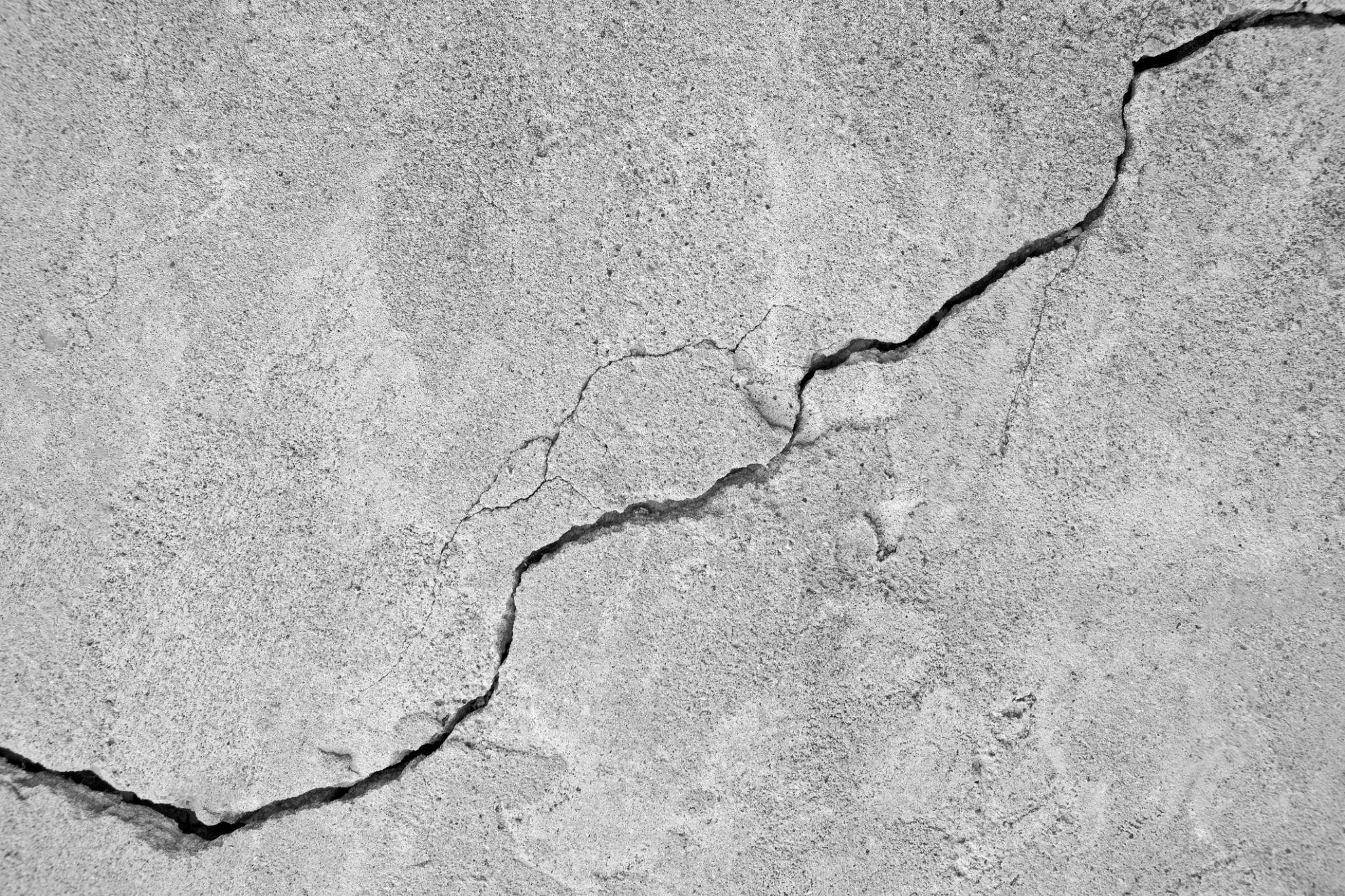
If your patio has unlevel pavers, cracked concrete, or sections that visibly sink or rise with the seasons, this is not normal wear and tear. It’s a failure of installation, either in the base depth, the aggregate material, or the drainage beneath the surface. And it’s more common in Wisconsin and Minnesota than in warmer climates because the freeze-thaw cycle puts real mechanical stress on everything installed in the ground.
Here’s the mechanics: water in the soil beneath a paved surface freezes, expands, and pushes the surface upward. When it thaws, the surface settles, but not necessarily back to where it was. Repeat that process over enough winters and the surface heaves, cracks, and shifts. The only way to prevent it is proper base preparation: the right aggregate depth for the local frost depth, compacted correctly, with drainage that prevents water from accumulating beneath the installation in the first place.
The Wisconsin Department of Safety and Professional Services sets minimum standards for frost depth considerations in hardscape installation. In this region, frost depth regularly exceeds 40 inches, which means the base preparation requirements are significantly more demanding than in warmer states. Pavers installed to ICPI standards use the correct base depth for local conditions. Willow River Company’s hardscape crew includes ICPI-certified installers, which means base preparation isn’t guesswork. It’s specified to the site.
Before recommending repair versus full replacement, our design team assesses the substrate beneath the existing installation. Sometimes a section can be reset. Often, if the base was never correct, replacement is the more cost-effective long-term answer.
5. You’re Planning to Add a Patio, Pool, or Outdoor Kitchen
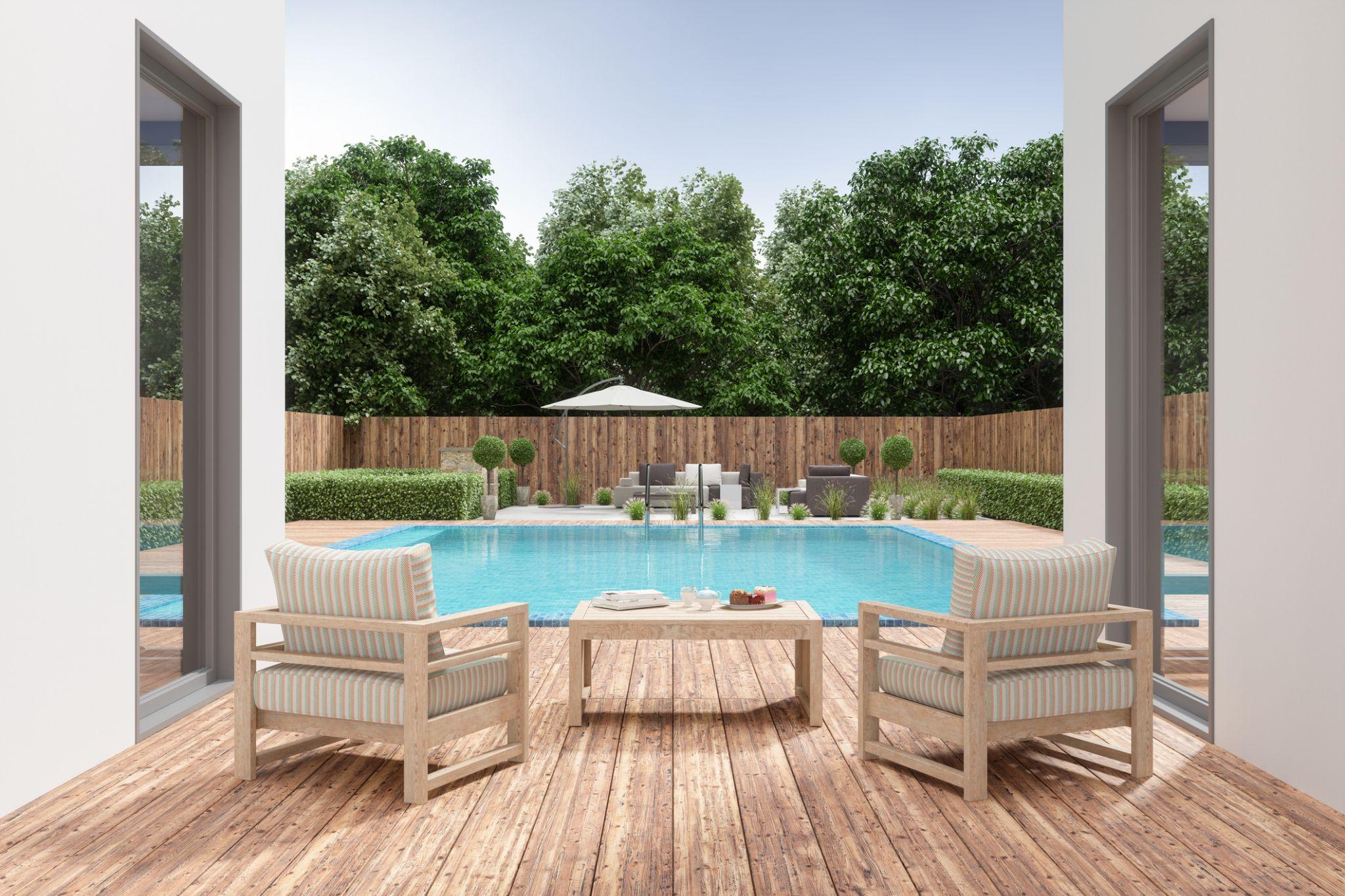
Projects at this scale, with a patio, a pool, an outdoor kitchen, retaining wall, aren’t a job for a handyman or a basic lawn care service. They require a landscape design and build company with the licensing, insurance, equipment, and project coordination experience to manage a multi-trade installation from start to finish.
The reason is sequencing. Grading has to happen before hardscape. Drainage has to be designed before the patio goes in. Utility lines, gas for an outdoor kitchen, and electrical for lighting and pool equipment have to be coordinated before the ground is finished. If you hire separate specialists for each trade without an integrated project plan, you’ll spend your summer managing handoffs between contractors who have never spoken to each other. When something goes wrong and on any project of this scale, something always needs adjusting,there’s no single party accountable for the whole.
In St. Croix County, permits are required for pools, structures over certain dimensions, and significant grading work. Whether you’re searching for landscaping in Hudson, WI or across the broader St. Croix Valley, a licensed Hudson, WI landscape contractor will handle permit coordination as part of the project.
6. Your Property Looks Like Accumulated Decisions, Not a Design
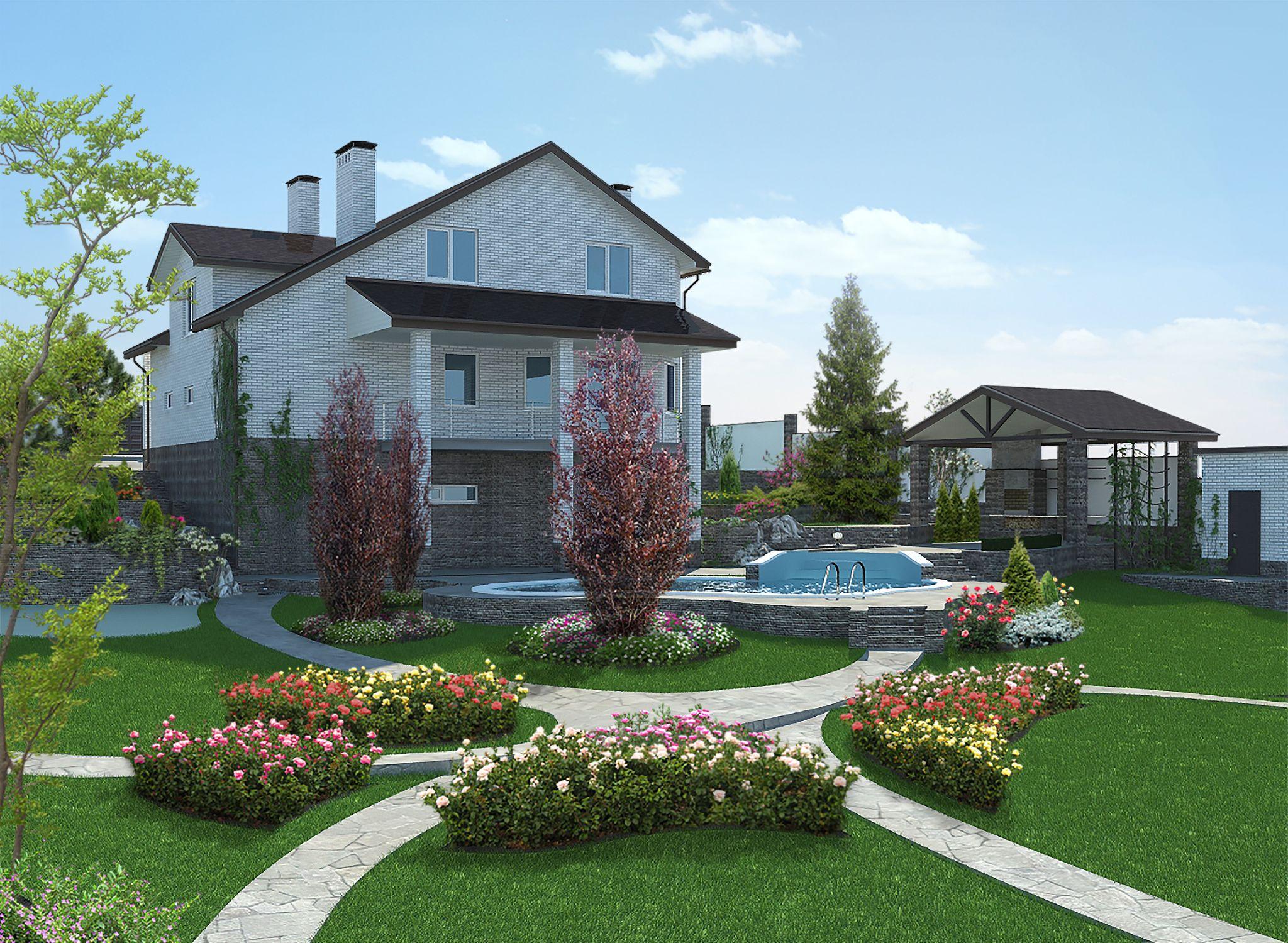
Most yards evolve rather than get designed. A shrub here, a mulch bed there — each addition made sense at the time. But over the years, those individual decisions rarely add up to a cohesive landscape. If your yard feels like it’s missing something, it may simply be missing a plan.
This is one of the most common starting points for a landscape design and build project in the St. Croix Valley, and it’s one of the hardest to articulate to a contractor because the problem isn’t any single element, it’s the absence of a coherent plan. Part of knowing how to design a landscape plan that holds together is understanding the whole property at once: plant palette, sight lines, hardscape alignment, and seasonal interest all considered together.
Willow River Company’s 3D design rendering is particularly useful for homeowners in this situation. Seeing the finished result before any work begins — in context, on your actual property — is often the moment that turns “I don’t know what I want” into “that’s exactly what I want.” It’s much easier to make decisions when you can see the whole picture rather than evaluating individual elements in isolation.
7. When a Project Exceeds What You Can Do Yourself

Some projects go beyond landscaping. Pools, outdoor kitchens, structural fire features, pergolas on concrete footings, retaining walls over four feet — these require licensing, engineering, and permitting that most maintenance-focused companies simply aren’t equipped to provide. Hiring the wrong contractor for work like this creates real liability.
The distinction matters: maintenance companies maintain. Design-build contractors design, permit, and construct. Before hiring, the first question should be whether a contractor can actually build what you’re envisioning.
Willow River Company operates as a full-service design-build firm — in-house designers, construction crews, a Certified Arborist, ICPI-certified installers, irrigation, and an on-site nursery. One company, from concept through completion.
8. You’ve Been Quoting the Same Project for Years and Never Pulled the Trigger
This is more common than most homeowners admit. The project has been on the list for three, four, or five years. You’ve had a few contractors out. The quotes came back different, incompatible, or just didn’t feel right. So the project stays on the list.
The most common reason this happens isn’t budget — it’s fragmentation. You’ve been getting separate quotes from separate specialists: a designer who hands off to a paver company, a landscaper who doesn’t handle pools, a contractor who doesn’t do planting. None of them are presenting an integrated plan for the whole property. Each quote is a piece of the puzzle, and you’re the one who’s supposed to figure out how they fit together.
A design-build landscape company like Willow River Company produces one plan and executes it. You see the full design, in 2D and 3D, before any work starts. You have one project manager and one contract. You’re not coordinating between trades. If something needs to change mid-project, there’s one person to call.
If more than three of the signs in this article apply to your yard, a free consultation costs nothing and gives you a professional assessment of where to start. That’s not a commitment to a project — it’s a conversation about your property.
During a site visit, Willow River Company’s design team will walk your property, listen to what’s been frustrating you about the space, and give you an honest picture of what it would take to fix it. There’s no obligation and no pitch until you’re ready.
Tags: