
10 Landscape Design and Build Ideas That Work in Wisconsin and Minnesota
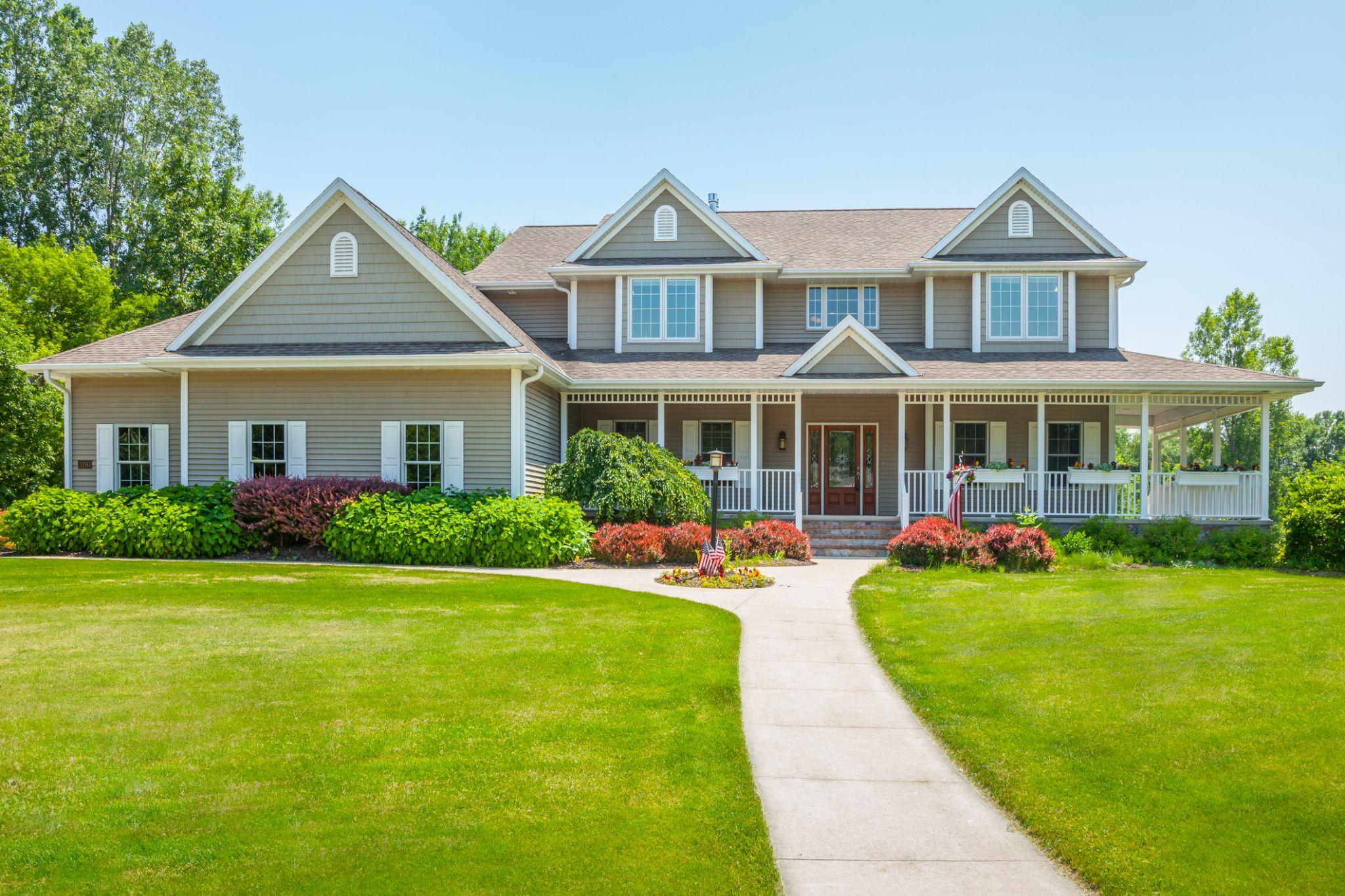
Every great backyard transformation begins with a vision. Perhaps it’s an underused corner waiting to become a gathering space, a tired patio ready to become the heart of summer, or a challenging slope full of untapped potential. The possibilities are there, and the right ideas can bring them to life.
The St. Croix River Valley offers a remarkable setting for outdoor living. Rolling bluffs, mature trees, and four distinct seasons create a landscape unlike anywhere else, full of natural character that thoughtful design can highlight and enhance. A well-planned outdoor space takes full advantage of this unique environment, becoming a true extension of the home throughout the year.
The following ten landscape design and build ideas are tailored to properties in Western Wisconsin and Eastern Minnesota. Each one is selected to suit the region’s terrain, climate, and rhythms, offering inspiration for a backyard that is both functional and beautiful.
1. A Multi-Level Retaining Wall That Turns a Slope Into Usable Space
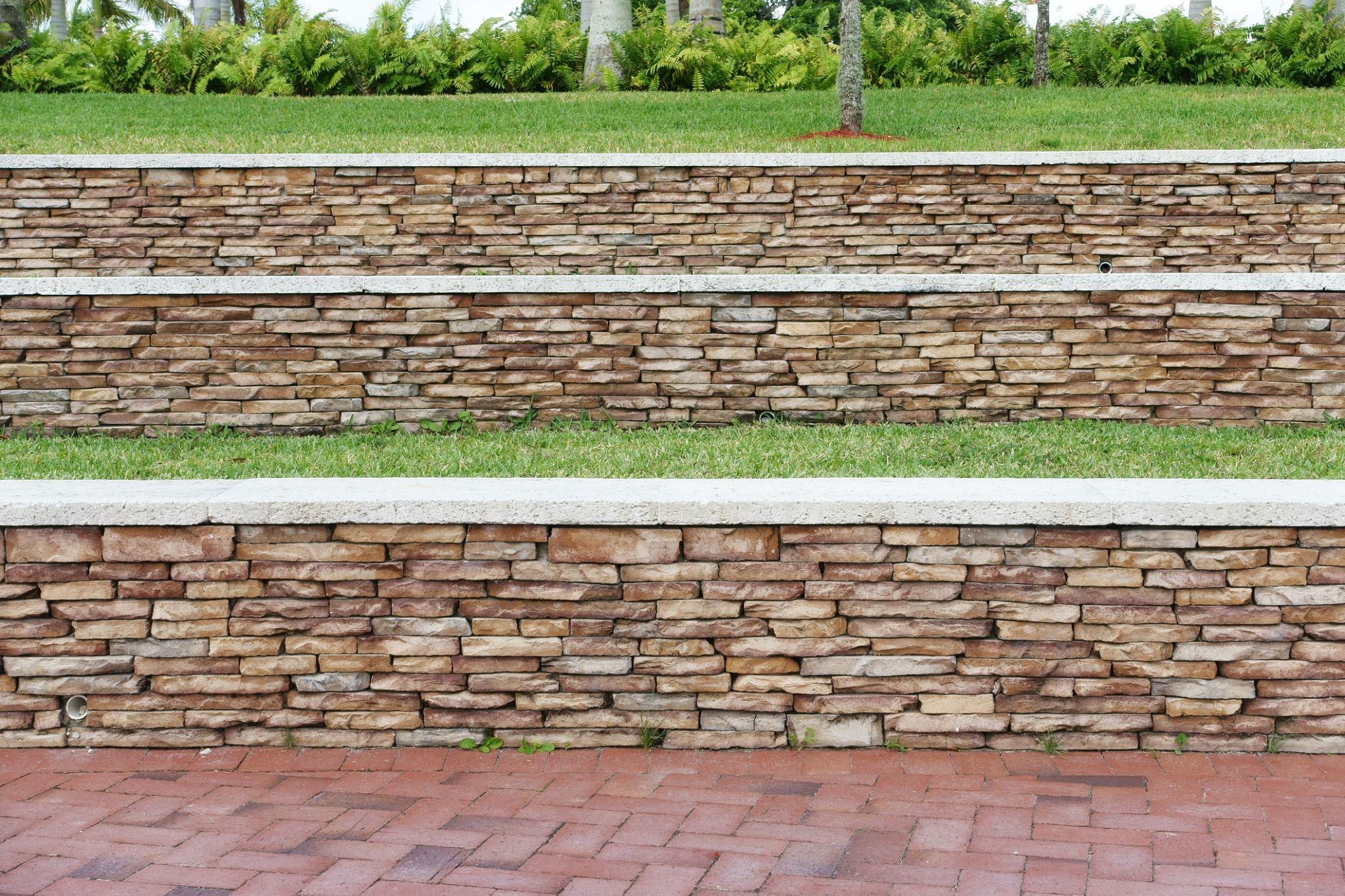
Many lots in the St. Croix River Valley, especially in Hudson and along the river bluffs, have grade changes that make large portions of the yard feel unusable. You can’t put a patio on a steep slope. You can’t mow it comfortably either. Backyard designs with retaining walls solve this directly: a well-engineered wall system doesn’t just hold back soil; it creates level terraces that become outdoor rooms.
Material selection carries particular weight in this region, more so than in warmer climates. Two materials stand out as the leading choices for retaining walls in the St. Croix Valley:
- Segmental concrete block: The standard for good reason. It is durable, accommodates freeze-thaw movement, and installs efficiently.
- Natural stone: Offers greater visual warmth and integrates beautifully into wooded lots, though it demands more precise installation.
Regardless of the material chosen, proper drainage behind the wall is non-negotiable. Wisconsin’s spring thaw delivers a significant volume of water into the soil over a short period, and the resulting hydrostatic pressure against an inadequately drained wall is the primary cause of failure. This is not an area in which to cut corners.
Willow River Company uses ICPI-certified installers for all paver and wall work, that certification exists precisely because installation technique is what separates a wall that lasts 30 years from one that shifts in five.
2. A Four-Season Patio With a Fire Feature
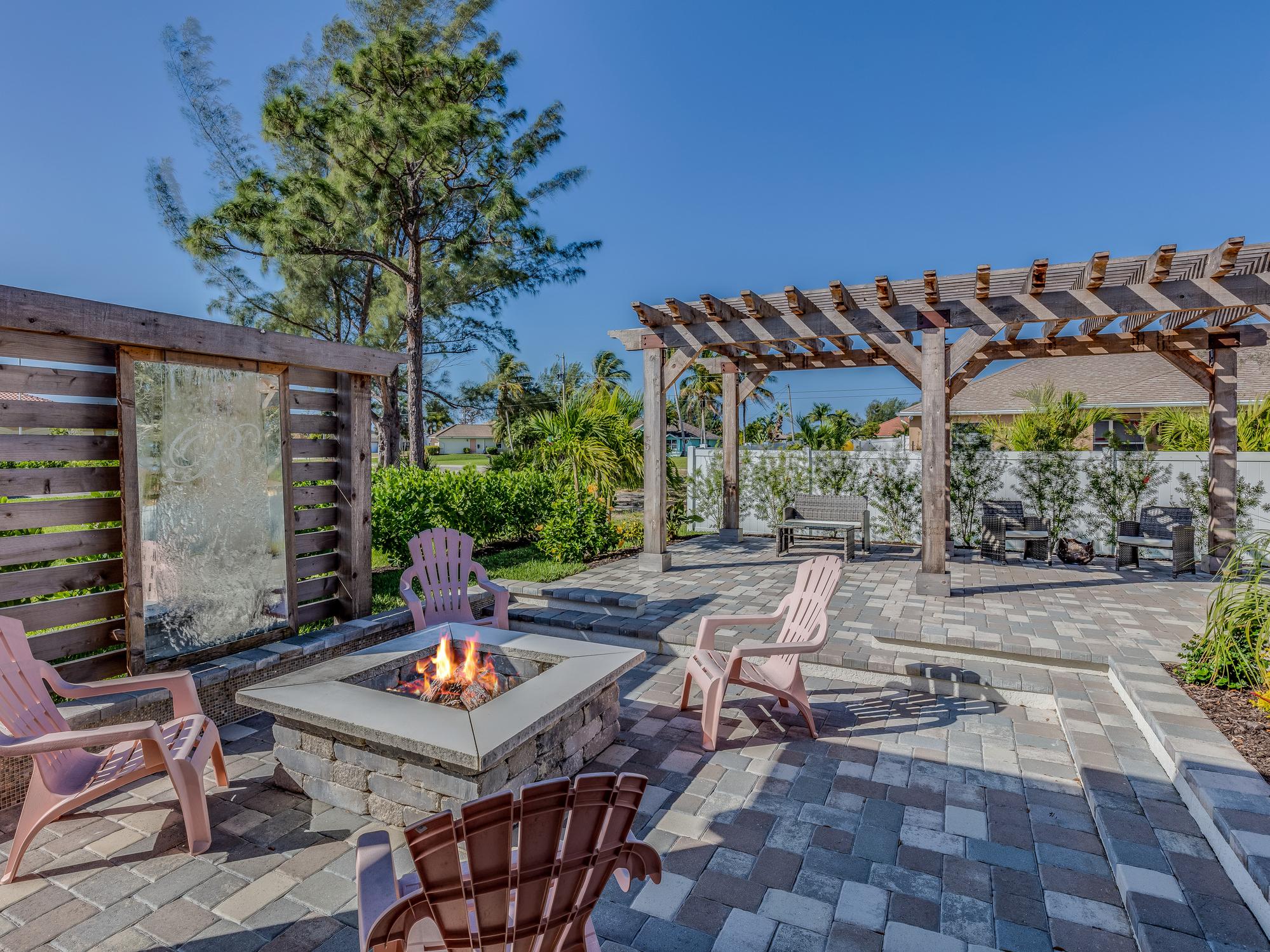
May and October are two of the best months to be outside in the St. Croix Valley — the air is cool, the light is long, and the yard is at its most comfortable. A well-designed patio with a fire feature means you’re using that space from the first warm evening in April through the last fire of November, not just during July and August.
The patio surface has to be built for the climate. Large-format porcelain tile and certain natural stones are beautiful, but they crack under repeated freeze-thaw cycles. Concrete pavers, especially tumbled or textured formats, handle movement better, drain well, and look better longer in a Wisconsin environment. Material selection should be part of the design conversation, not an afterthought.
On the fire side: a wood-burning fire pit is the most popular option and the most flexible — no gas line, no permit in most municipalities, easy to relocate during a project. A built-in gas fire feature gives you instant ignition and cleaner aesthetics, but requires coordination with a licensed gas contractor and adds cost. Both work well in Wisconsin’s outdoor season. The choice usually comes down to how often you actually want to be managing a fire versus just having one.
3. Get Grilling with a Backyard Outdoor Kitchen Built for Summer
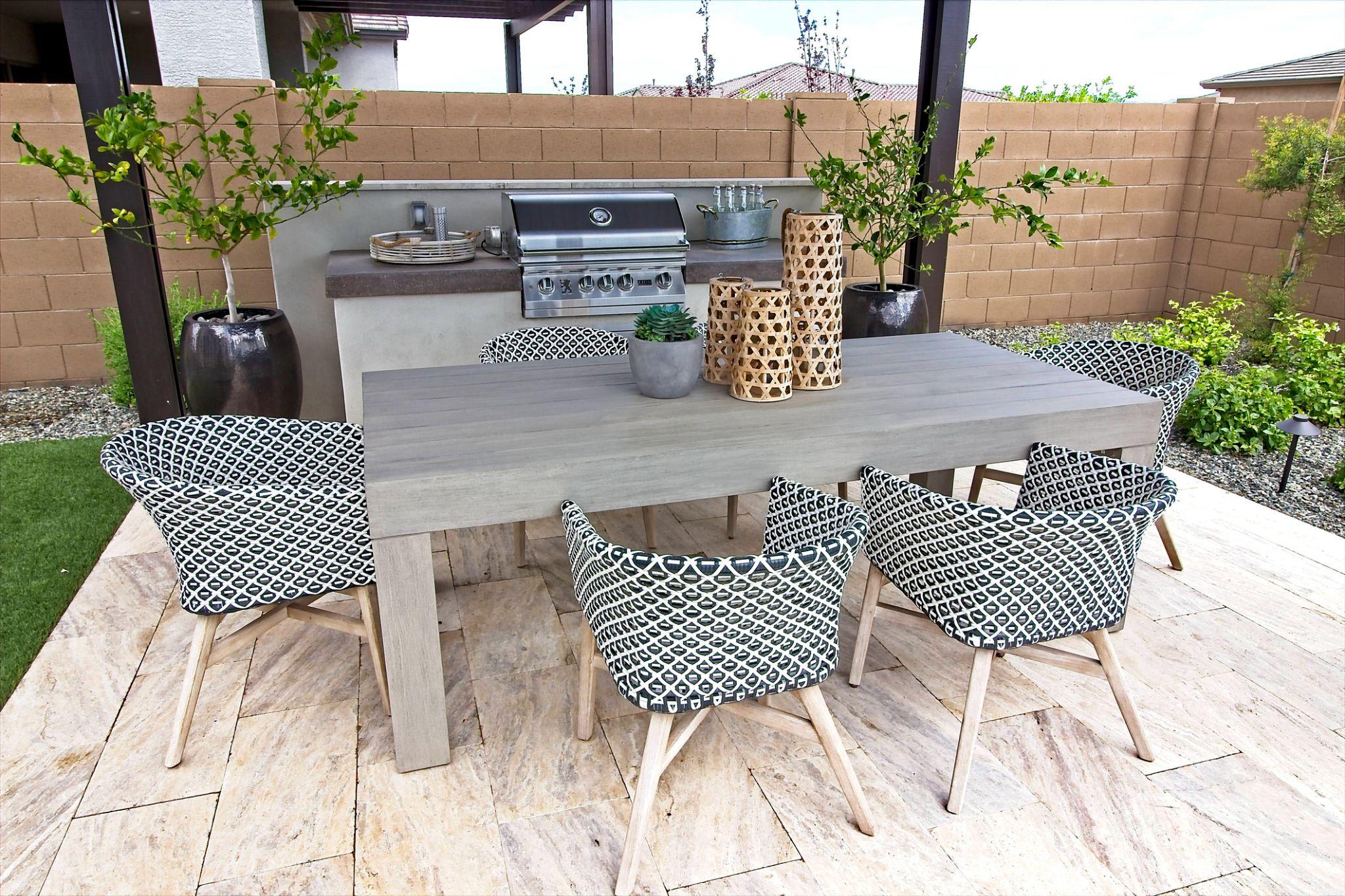
An outdoor kitchen done well in Wisconsin is one of the most-used spaces on a property. Done without thinking about the climate, it becomes a storage problem and an eyesore by October.
Several design considerations are essential in this climate:
- Appliance protection: Built-in appliances need weatherproof covers or enclosed cabinet storage to protect them through the months they sit unused.
- Cabinet material: Marine-grade polymer and powder-coated aluminum hold up through repeated freeze cycles, while wood and standard outdoor furniture tend to fail.
- Countertop surface: Natural stone is the most durable choice in this climate, resisting the expansion, contraction, and degradation that composite surfaces often suffer after many freeze-thaw cycles.
If you’re including a gas grill or side burners, the gas line needs to be coordinated early in the design process. That means a licensed plumber or utility contractor is involved before construction starts—not after the patio is poured. Willow River Company coordinates this as part of the broader project scope.
4. A Native Plant Landscape Bed That Doesn’t Need Weekly Watering
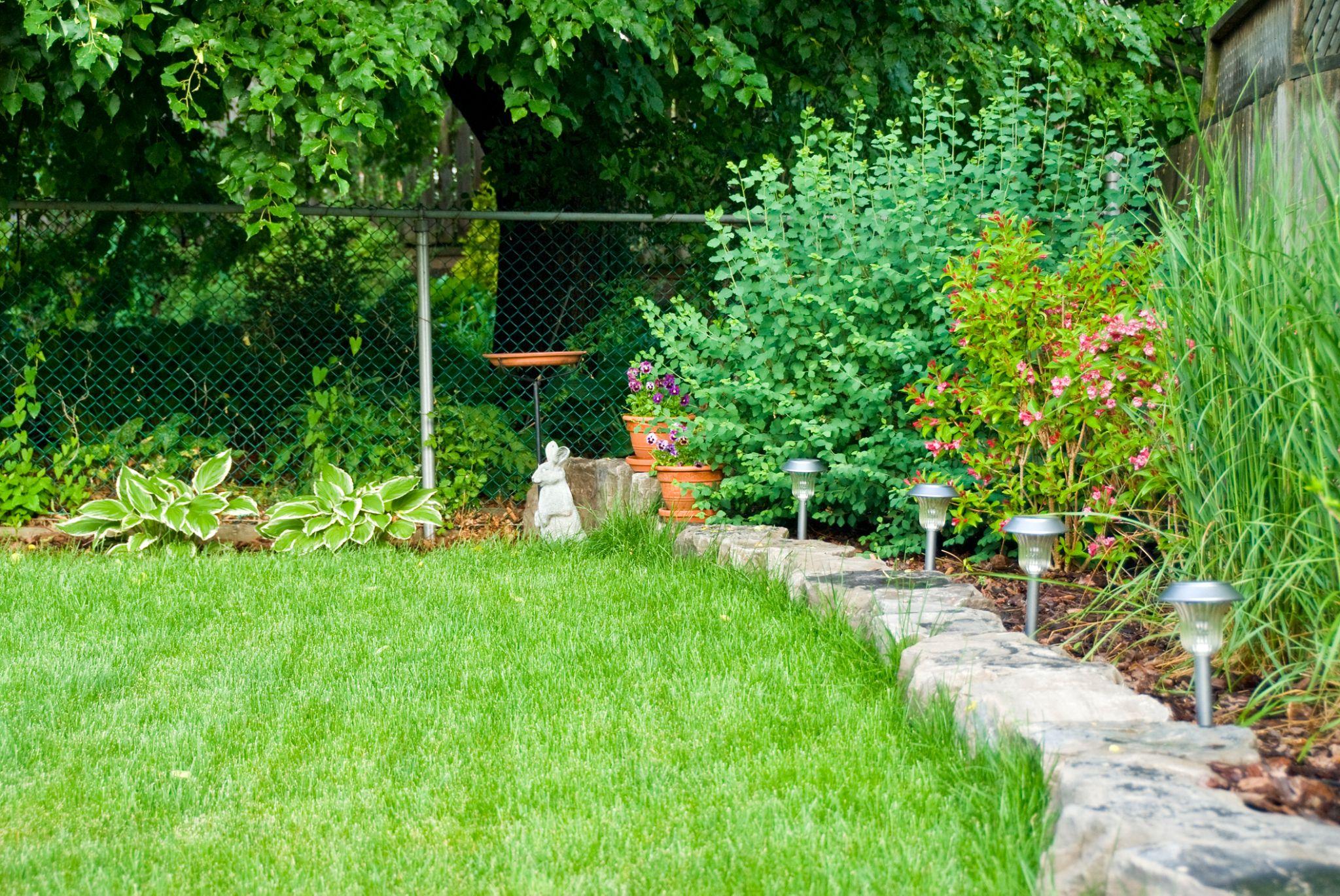
One of the strongest low-maintenance landscaping strategies for properties in this region is also one of the most ecologically sound: a planting design built around species native to the St. Croix River corridor. Native plants are adapted to Western Wisconsin’s rainfall patterns, soil conditions, and temperature range, which means no supplemental watering once established, no winter mulching, and stronger growth with each passing season. They also support local pollinators and wildlife, adding life and movement to the landscape throughout the growing season.
A well-designed native bed combines grasses, perennials, and shrubs to create year-round structure and seasonal interest. The following species are well-suited to properties in the St. Croix River Valley:
- Prairie dropseed: A graceful native grass with fine texture and golden fall color.
- Wild bergamot: A pollinator favorite with lavender blooms and aromatic foliage.
- Purple coneflower: A long-blooming perennial that brings bold color through midsummer.
- Serviceberry: A versatile shrub or small tree offering spring flowers, summer berries, and brilliant fall color.
- Little bluestem: A native prairie grass with blue-green summer color that turns coppery red in fall.
- Black-eyed Susan: A reliable perennial that delivers cheerful yellow blooms from midsummer into autumn.
Together, these species form a resilient, beautiful landscape bed that thrives on the conditions this region naturally provides.
The Wisconsin DNR’s native plant list is a useful starting point for understanding which species are regionally appropriate. But selecting plants that will actually perform on your specific lot — given your soil type, sun exposure, and drainage — is where design experience matters.
Willow River Company’s on-site nursery stocks regionally appropriate plants, which means you can see and select the actual specimens going into your yard before construction starts. For a more detailed look at how to design with Wisconsin native plants, our native plants landscaping guide covers species selection and design principles.
5. A Drainage Solution That Fixes the Soggy Backyard Problem First
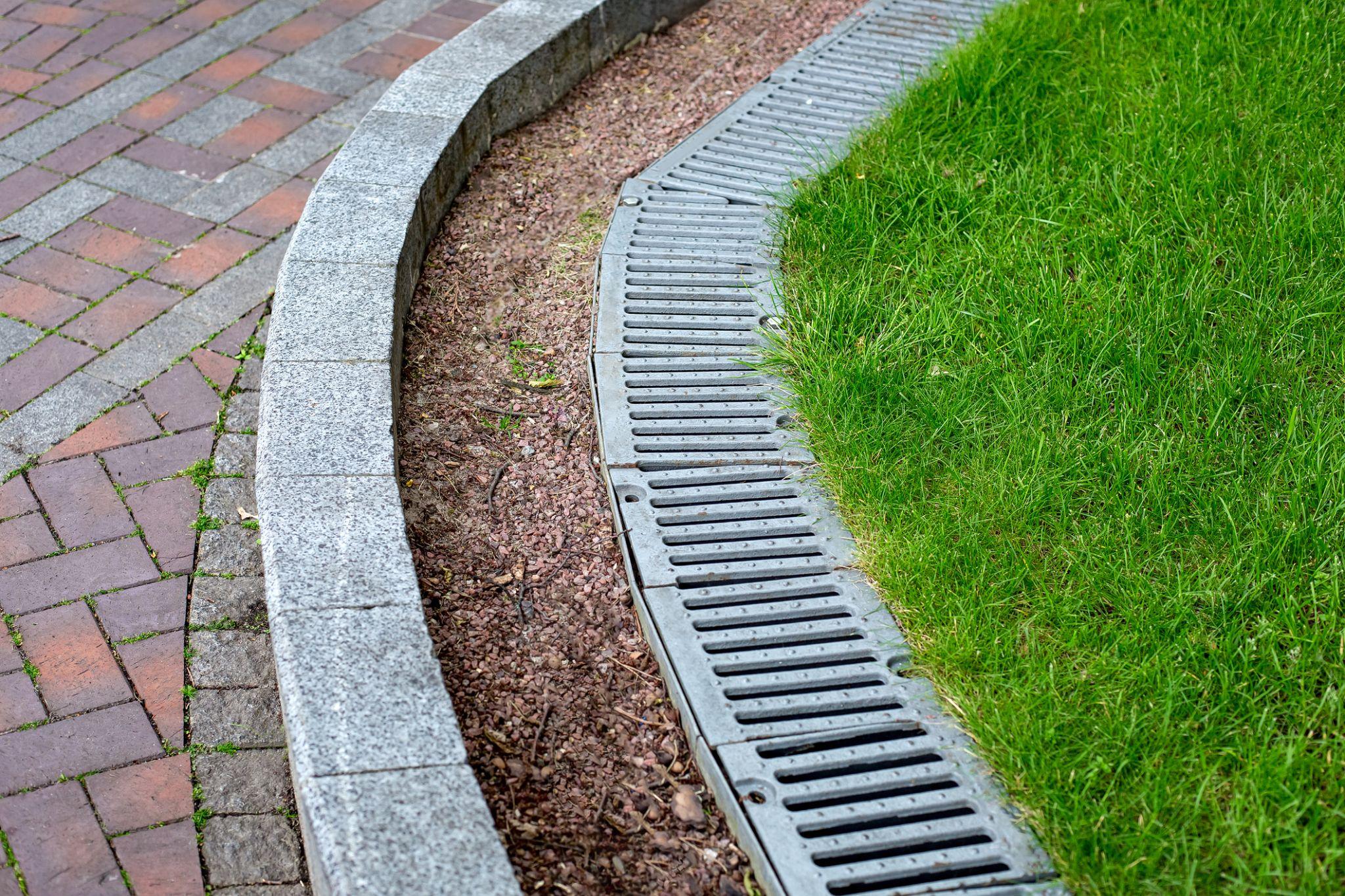
If your yard stays wet for weeks after snowmelt, or if you have a low area that never quite dries out, drainage is not an optional add-on to your landscape project — it’s the first thing that needs to be addressed. Clay-heavy soils across much of the St. Croix Valley hold water rather than absorbing it. Add the volume of spring thaw runoff, and many properties have a genuine drainage problem that no amount of planting or hardscaping can work around.
The good news is that drainage solutions can be designed to look intentional:
- French Drains: Perforated pipe set in gravel, running water away from the problem area that are invisible once installed.
- Creek Beds: Dry creek beds do the same job but becomes a landscape feature in its own right, with rounded river stone and native plantings along the banks that look natural to the St. Croix Valley setting.
- A Rain Garden: A shallow depression planted with water-tolerant native species captures and slowly absorbs runoff, adding both ecological function and seasonal interest to the yard.
No patio, planting bed, or retaining wall performs as intended if the water underneath it has nowhere to go. Drainage is always the foundation.
6. A Pool and Patio Combination Designed as One Landscape
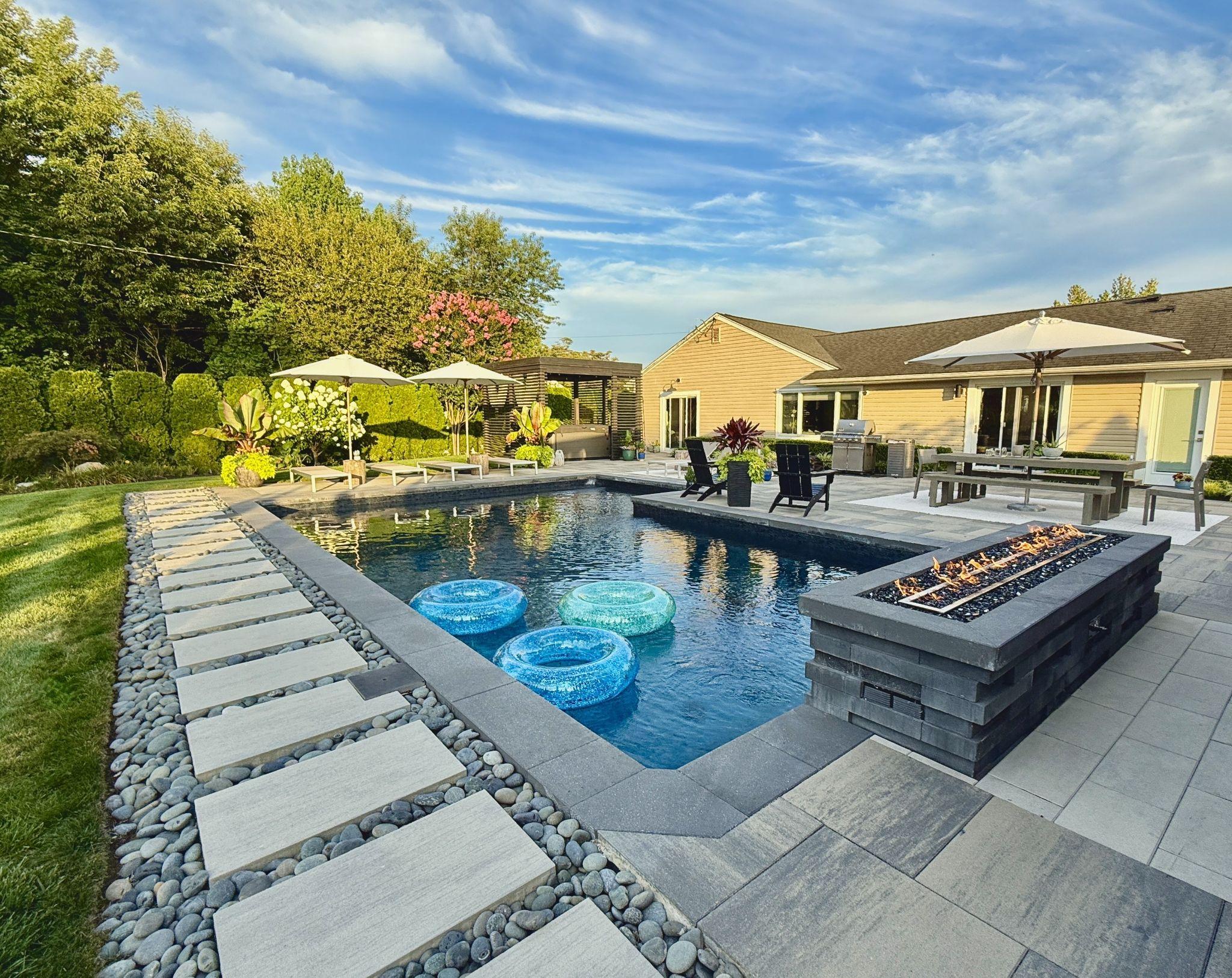
The most common pool mistake we see on St. Croix Valley properties is the pool-first, landscape-later approach. The pool goes in, the surrounding area is an afterthought, and three years later, the homeowner is retrofitting a patio around a shape they didn’t design for and adding plants to spaces that were never graded for them.
A design-build approach integrates the pool, deck, and surrounding landscape from the first site consultation. The patio material wraps naturally around the pool shape. The planting is designed with the pool’s sun and privacy needs in mind. While drainage is part of the original grading plan.
For Wisconsin climates, pool type matters:
- Vinyl liner pools are the most common and budget-friendly but require careful attention to freeze-thaw protection during the closing season.
- Fiberglass pools are lower-maintenance and hold up well in cold climates.
- Concrete pools offer the most design flexibility but are the highest cost and require precise winterization.
Wisconsin has specific pool barrier and fencing requirements — theWisconsin Department of Safety and Professional Services sets the standards, and local municipalities may have additional requirements. These need to be factored into the design before permits are pulled.
7. A Pergola or Shade Structure as an Outdoor Living Anchor
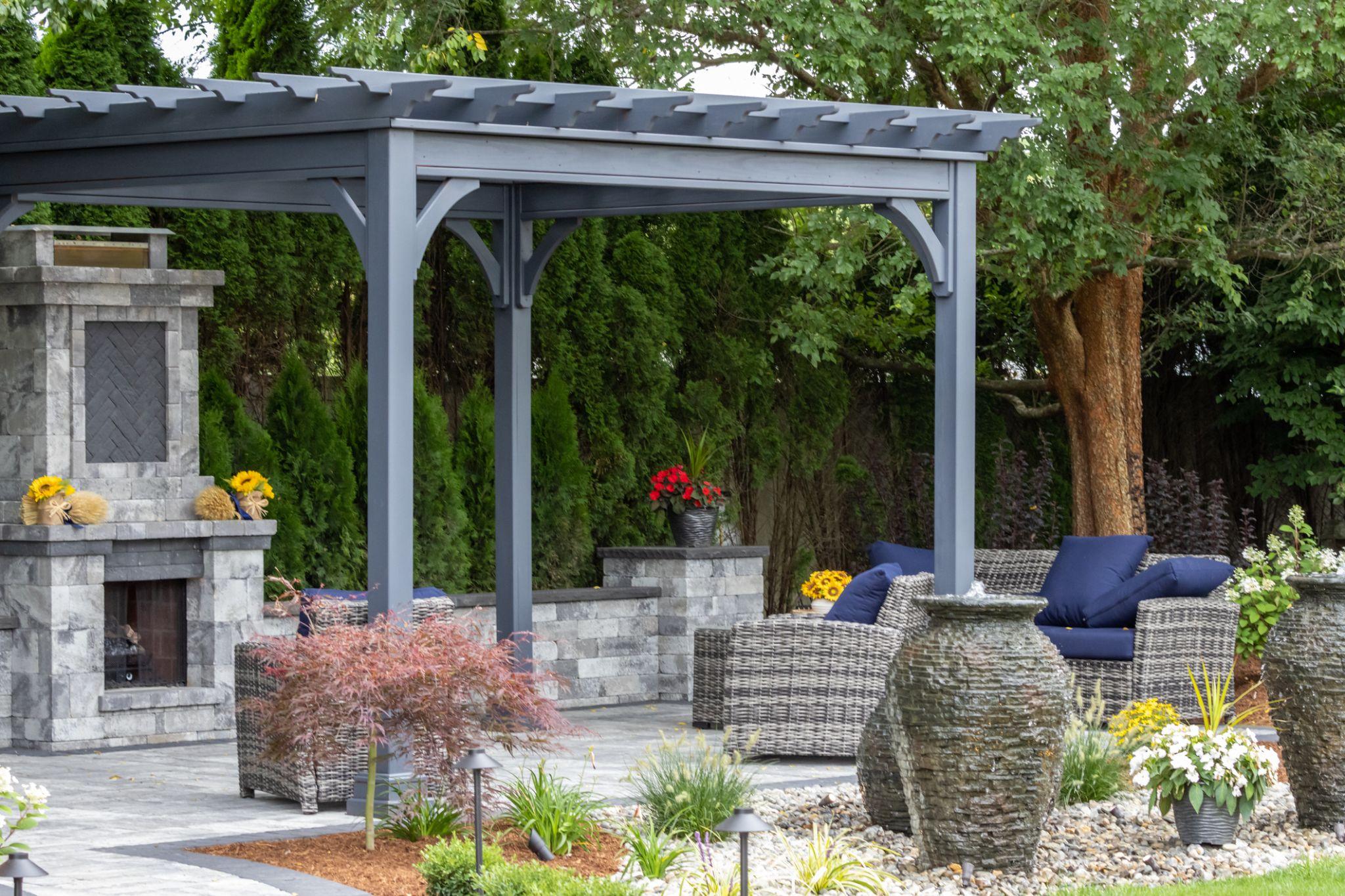
A pergola or covered structure does something a patio alone can’t: it defines the space. It gives the outdoor room a ceiling, creates a sense of enclosure, and becomes the visual anchor that everything else — seating, fire features, planting — organizes around.
Placement matters more than structure type. In Western Wisconsin, the primary sun exposure issue is afternoon sun from the south-southwest. A structure that doesn’t account for that orientation may shade you well at noon and cook you at 4pm. Siting a pergola or pavilion to manage afternoon exposure, or specifying a louvered roof system that adjusts dramatically changes how much a space gets used.
For structure type guidance, our existing pergola vs. pavilion comparison covers the trade-offs in detail. From a landscape integration standpoint, the goal is softening the structure over time with climbing plants. Native alternatives to invasive wisteria, like American wisteria (Wisteria frutescens) or native climbing hydrangea, give you the same lush vertical growth without the invasive risk.
8. An Outdoor Lighting Plan That Works Through All Four Seasons
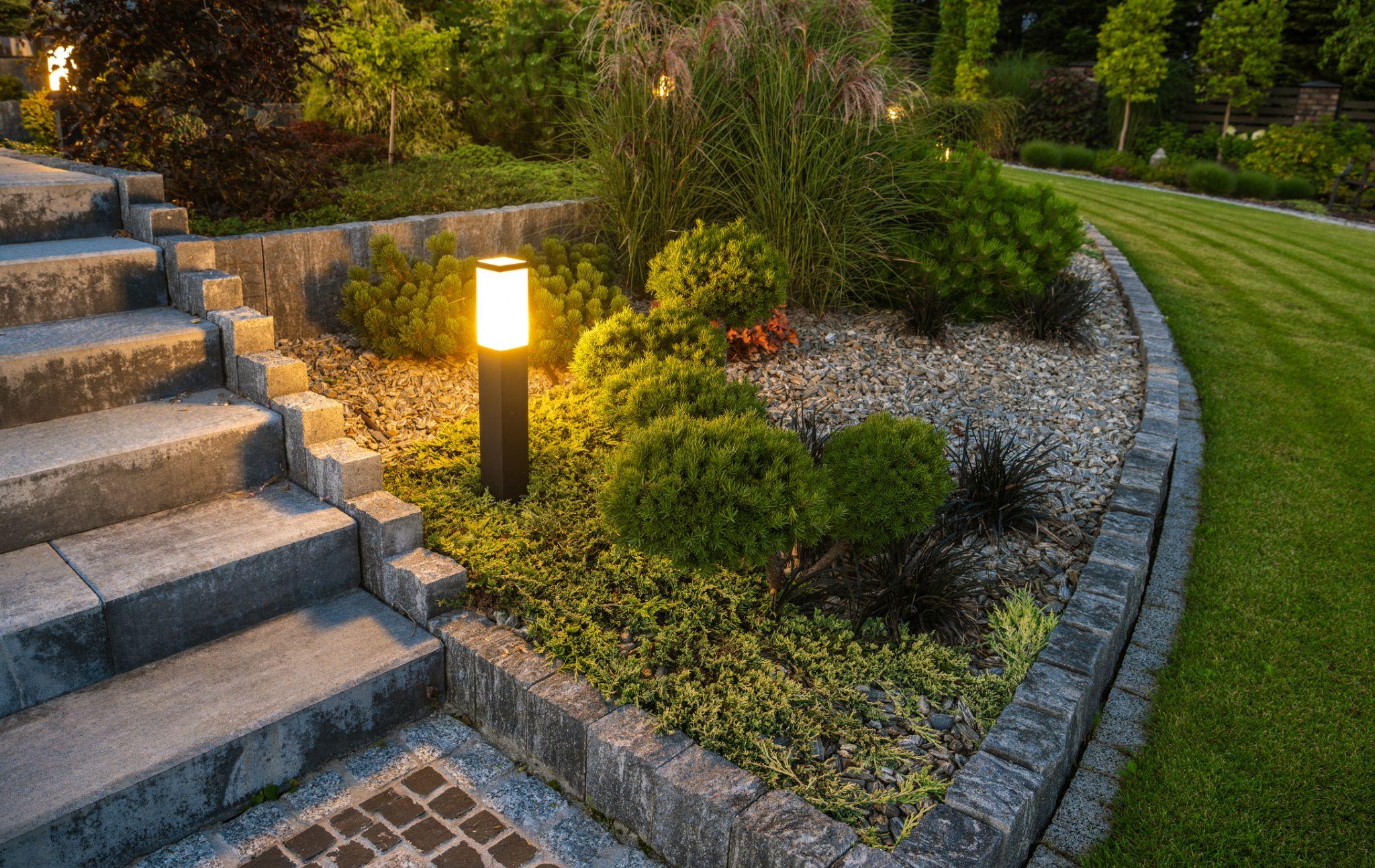
The best outdoor lighting designs Wisconsin homeowners can invest in are ones built around four-season performance, not just summer ambiance. As landscaping ideas go, lighting is often underestimated: the fixtures and placement that bring your property to life on a July evening are the same ones that transform a long January night into something beautiful. A thoughtfully lit landscape in the St. Croix Valley has to perform in deep winter too. A yard that glows in summer and disappears into darkness by 4:30 in November hasn’t been designed, it’s been wired.
The elements that make outdoor lighting feel intentional year-round are the same ones that provide depth and warmth in every season: path lights that guide the way through snow and mulch alike, uplighting on evergreens and mature trees that creates dramatic silhouettes against a winter sky, and accent lighting on hardscape features such as retaining walls, steps, and stone facades that gives the landscape definition once the perennials have died back. Warm color temperatures in the 2700K range read as inviting in every season, while cooler tones tend to feel harsh against snow.
Before installing anything, consider how the system will hold up to the climate. LED fixtures rated for cold-weather performance, properly buried wiring below the frost line, and transformers housed in protected locations are essential for a system that performs reliably year after year. It is a detail that separates a lighting plan that lasts a decade from one that fails after the first hard winter.
9. A Low-Maintenance Landscape Design
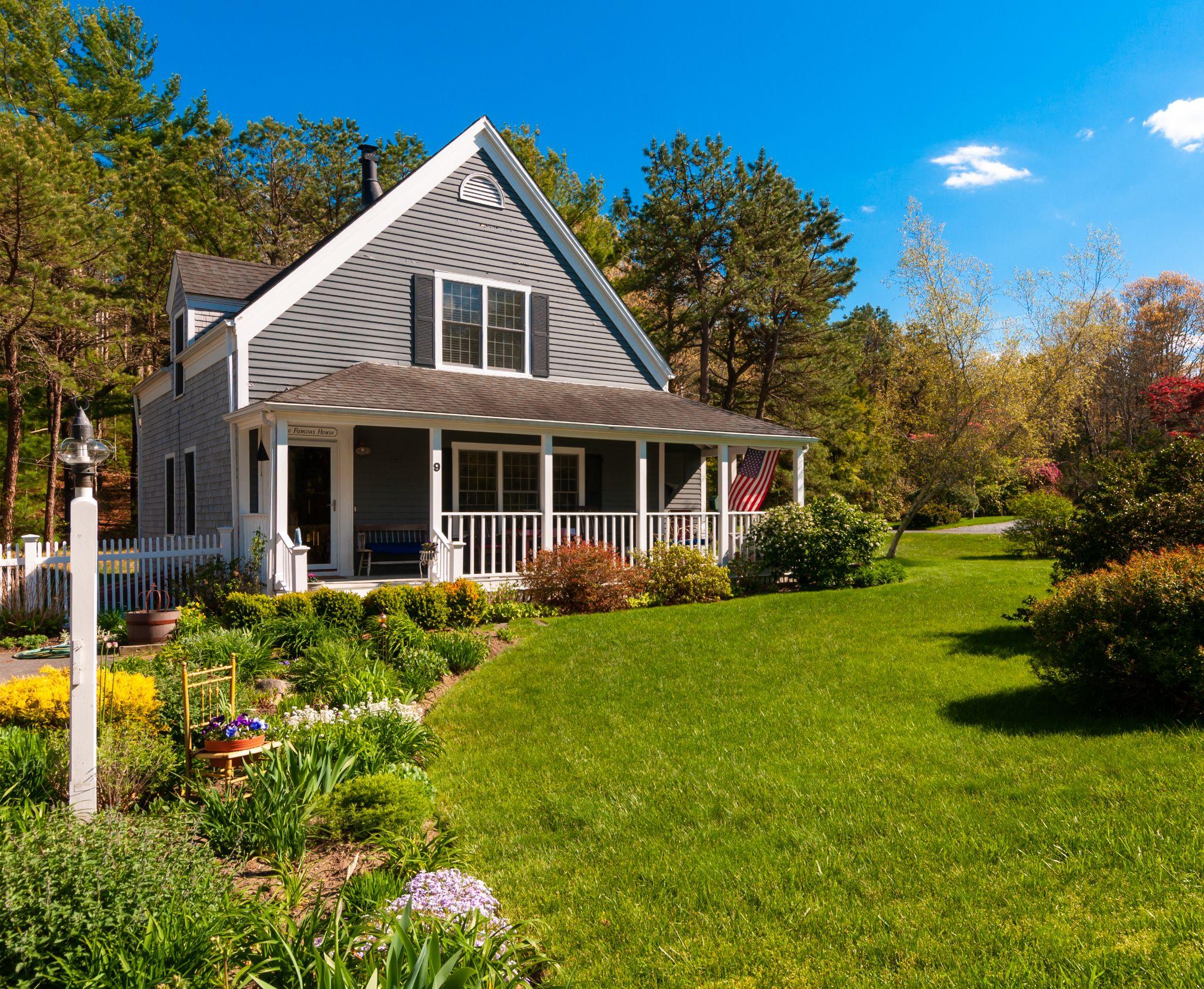
Not every homeowner wants to be weeding and watering every weekend. And in Wisconsin, the short growing season makes it even more frustrating to spend what little summer you have on maintenance. Smart low-maintenance backyard landscaping ideas start in the design phase — with decisions that reduce the ongoing work before a single plant goes in the ground.
The principles: maximise hardscape-to-planting ratio, which reduces mowing and weeding surface area. Choose perennial-heavy planting designs over annuals that need replacing each season. Install automated irrigation so watering happens on a schedule without manual intervention. Apply 3–4 inches of quality hardwood mulch in planting beds to suppress weeds and retain moisture through Wisconsin’s variable summers.
For homeowners who want professionally managed seasonal color without any involvement on their end, Willow River Company’s seasonal pots and containers service handles selection, installation, and swapping through the season. For ongoing property care, the WRX maintenance program provides scheduled seasonal service, so your yard looks right all year without managing it yourself.
10. A Landscape Designed Around Your Existing Trees
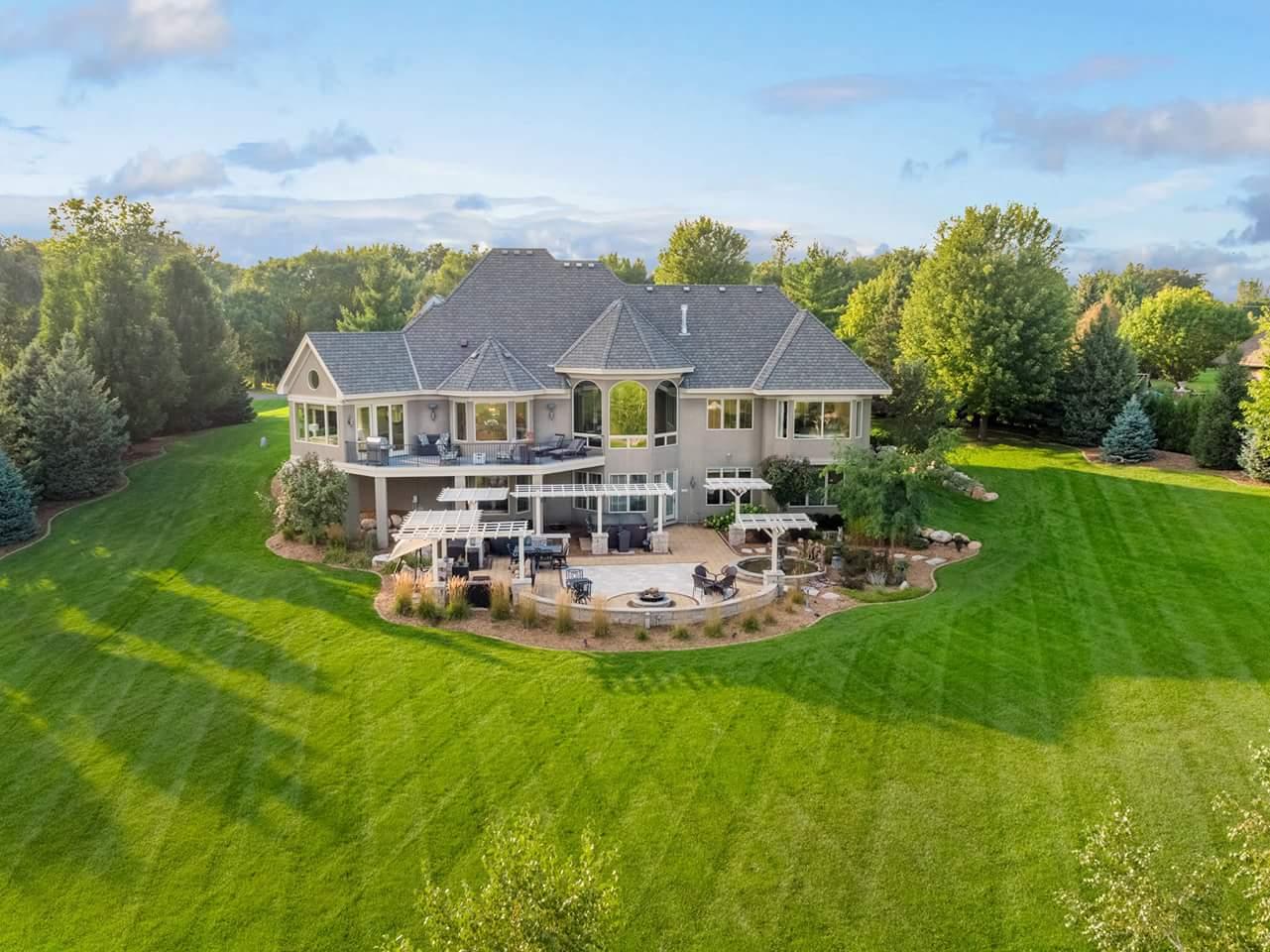
The St. Croix River Valley has a significant tree canopy. Many properties in Hudson and the surrounding communities have established oaks, maples, or spruce that are 30, 40, 50 years old. Those trees are assets worth designing around, not obstacles to work past.
The first rule of designing with existing trees is protecting them during construction. Root compaction from equipment, grade changes that bury or expose roots, and soil disturbance within the drip line can damage or kill established trees years after construction is complete, and the damage often isn’t visible until it’s irreversible.
Design strategies for working with mature trees include:
- Shade-tolerant garden beds under the canopy using species that thrive in dry shade. Native wild ginger, hostas, and ferns all perform well in Western Wisconsin’s woodland understory.
- Dry-laid stone pathways can navigate through root zones without the concrete footings that would damage roots.
- Raised planting areas built above grade can add soil volume for new planting without disturbing the existing root structure.
Willow River Company has ISA Certified Arborists on staff, which means tree integration isn’t an afterthought on our projects. It’s part of the design conversation from the start.
Every lot in the St. Croix River Valley is different — different grade, different soil, different sun, different priorities. These ten ideas are starting points, not prescriptions. The best way to know which ones make sense for your specific property is to have someone walk it with you.
Request a free on-site consultation, and we’ll talk through what’s possible, what your site needs, and what a realistic project looks like for your budget.
Tags: