
Irrigation System Repair and Maintenance in Western Wisconsin and Eastern Minnesota: How to Diagnose Common Problems and When to Call
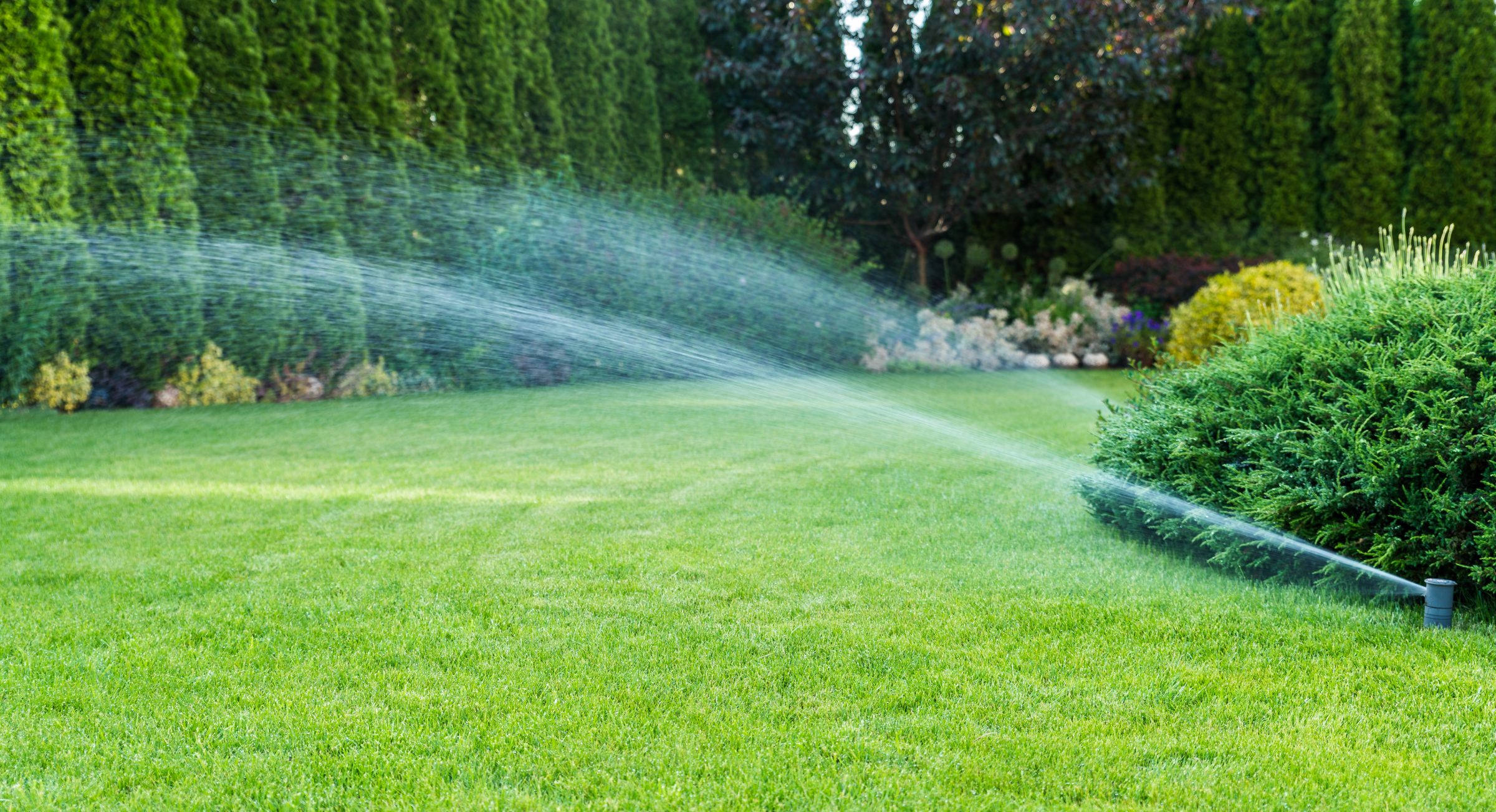
Turning on your irrigation system in spring only to find a zone not working, water pooling, or sprinkler heads spraying in the wrong direction is a frustration many St. Croix River Valley homeowners know well. Wisconsin winters are hard on irrigation systems, and freeze damage, worn components, and seasonal soil movement mean faults are common — and often not visible until the first run of the season. This guide covers the most likely causes, what you can safely troubleshoot yourself, and when it is time to call a professional.
Broken or Tilted Sprinkler Heads
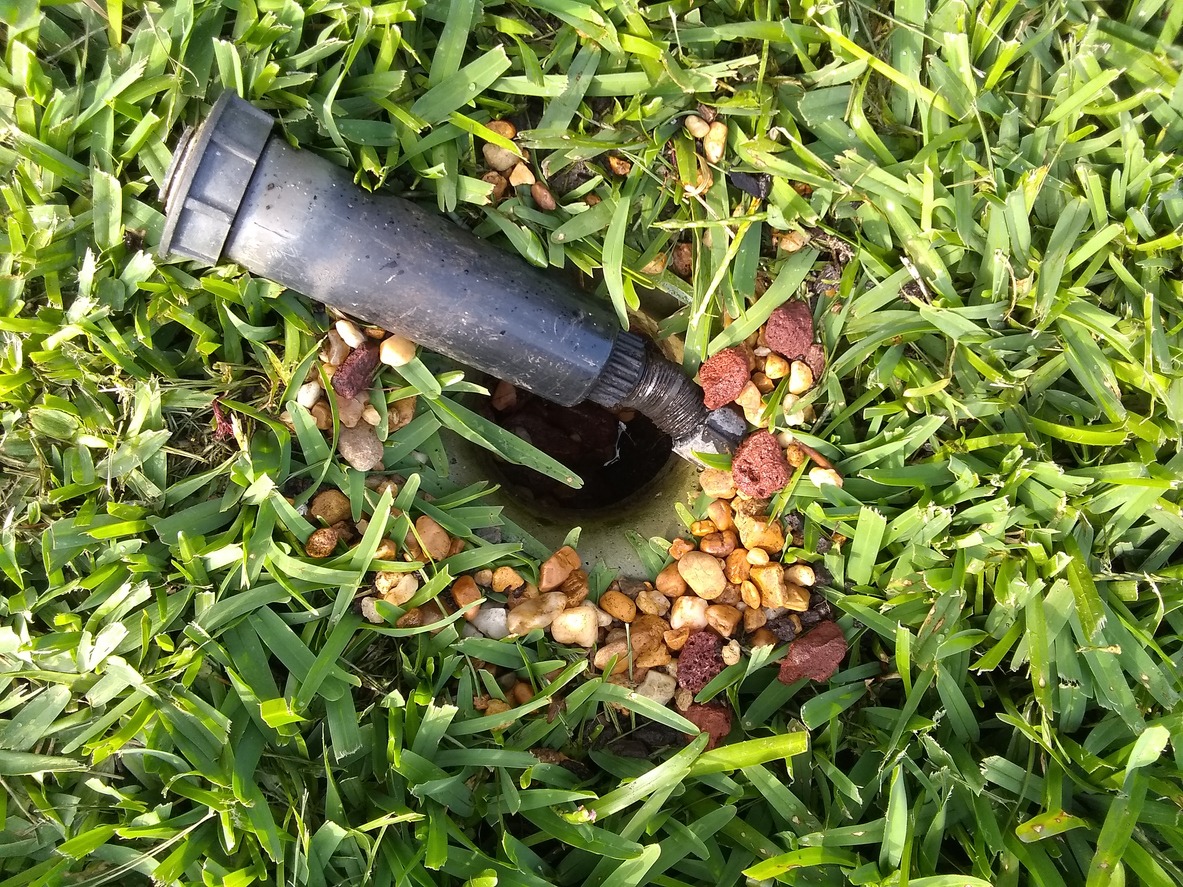
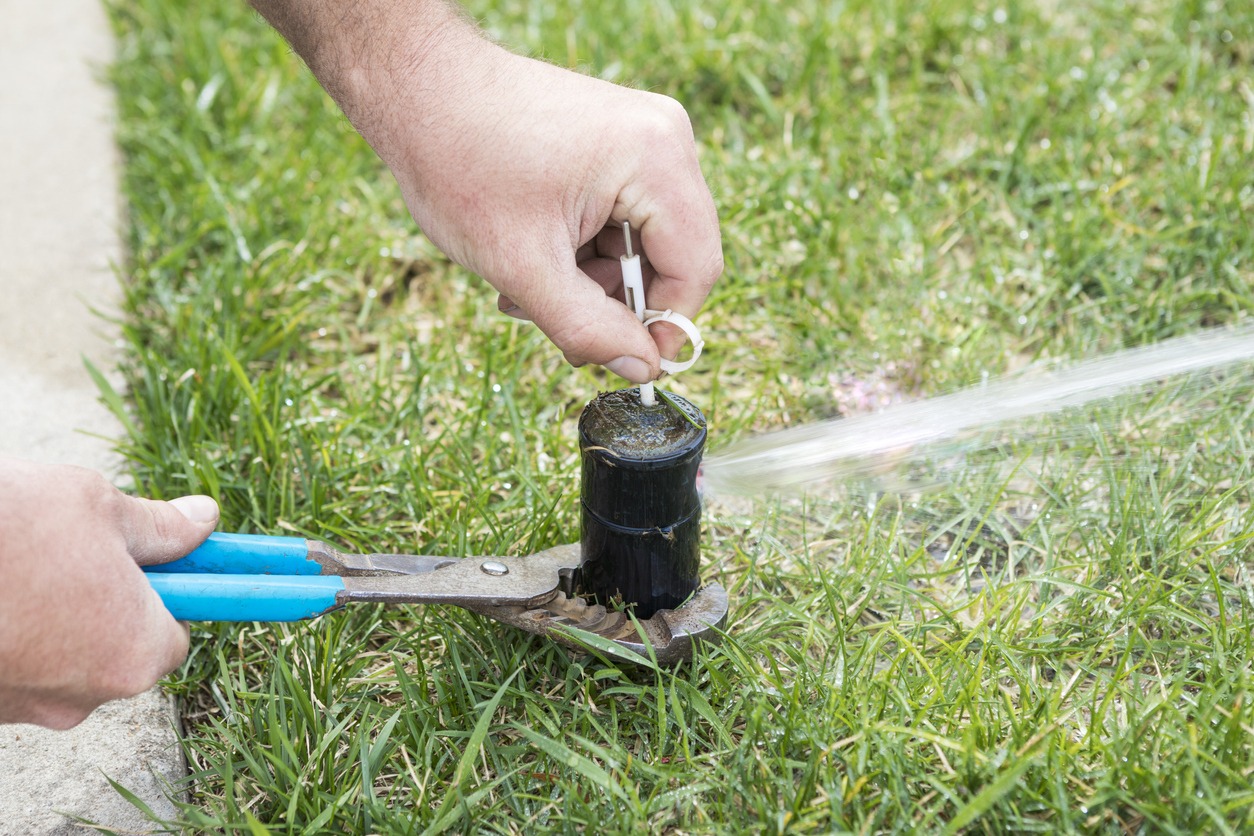
A broken sprinkler head is the single most common irrigation repair request. Sprinkler head repair is almost always the first thing a technician checks at spring startup. It is often caused by frost heave, a freeze-thaw cycles in the St. Croix River Valley commonly push sprinkler heads out of position, especially in clay-heavy soils. Head damage can also be caused by foot traffic, snow removal equipment, or occasional rodent damage near pipe connections.
To idenfiy a broken sprinkler, the head is visibly cracked, won’t pop up when the zone runs, sprays at the wrong angle, or produces a mist instead of a defined spray pattern (a sign of a worn nozzle or damaged head body). A damaged sprinkler head can often be replaced by a homeowner, but using the correct model is important to maintain proper coverage and avoid uneven watering.
Contact Willow River Company if multiple broken heads, heads that are sinking into the soil (a sign of pipe settlement or a void developing beneath), or heads located near tree roots or in established beds where access is limited. Request a repair visit.
Zones That Won’t Activate or Run Continuously
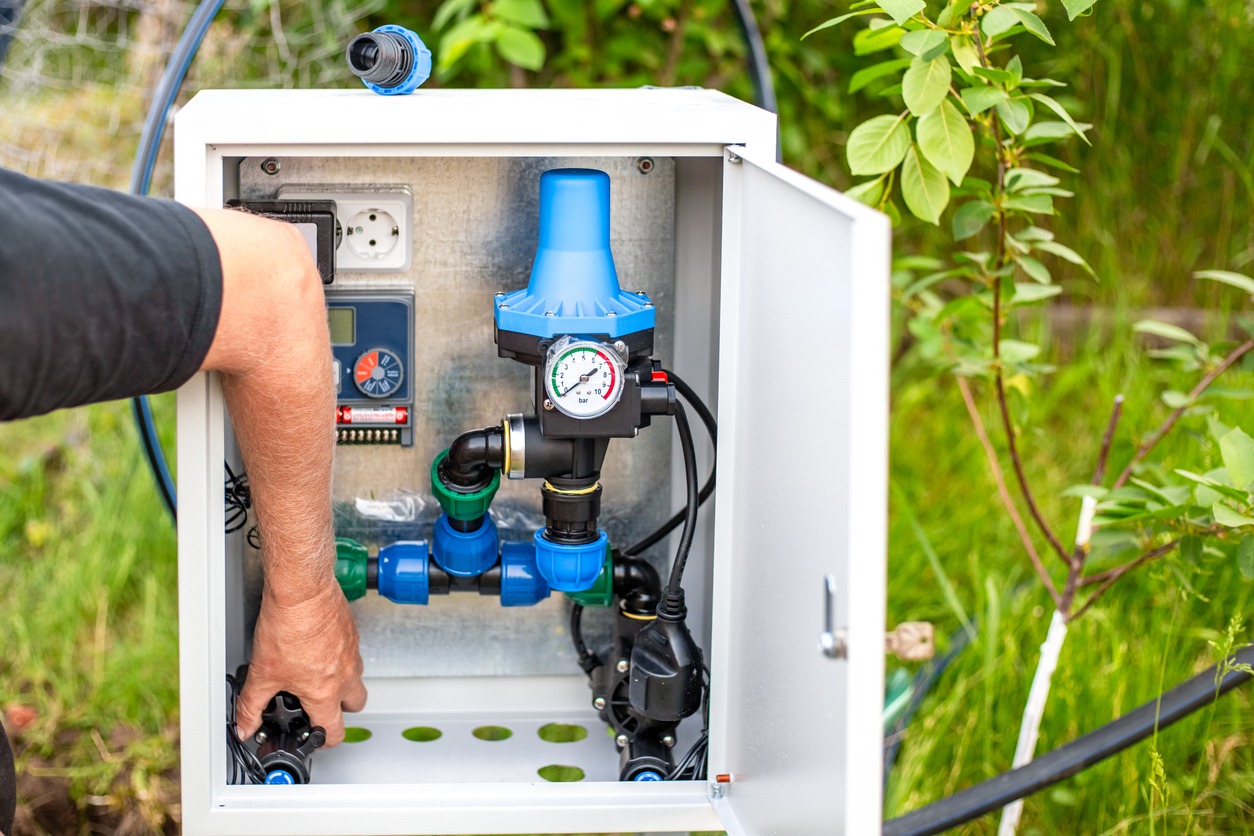
Zone problems are valve problems. There are two failure modes, and what the system is doing tells you which direction to investigate:
Zone won’t activate: Irrigation valve failures are commonly caused by hard water buildup, debris inside the valve, failed solenoids, or damaged wiring between the controller and valve.
Zone runs continuously and won’t shut off: A torn valve diaphragm is a common cause of zones that won’t shut off, often triggered by debris damaging the rubber seal or preventing it from closing properly.
What you can do yourself: Manually cycling through each zone can help identify whether the issue is isolated to a single valve, and some minor valve repairs may be manageable for a capable homeowner.
When to call Willow River Company: Call a professional if valve boxes are buried, multiple zones are failing, or the system layout is unknown, as they can locate valves and diagnose wiring or controller issues.
Water Pooling, Soggy Zones, and Flooding Near Heads
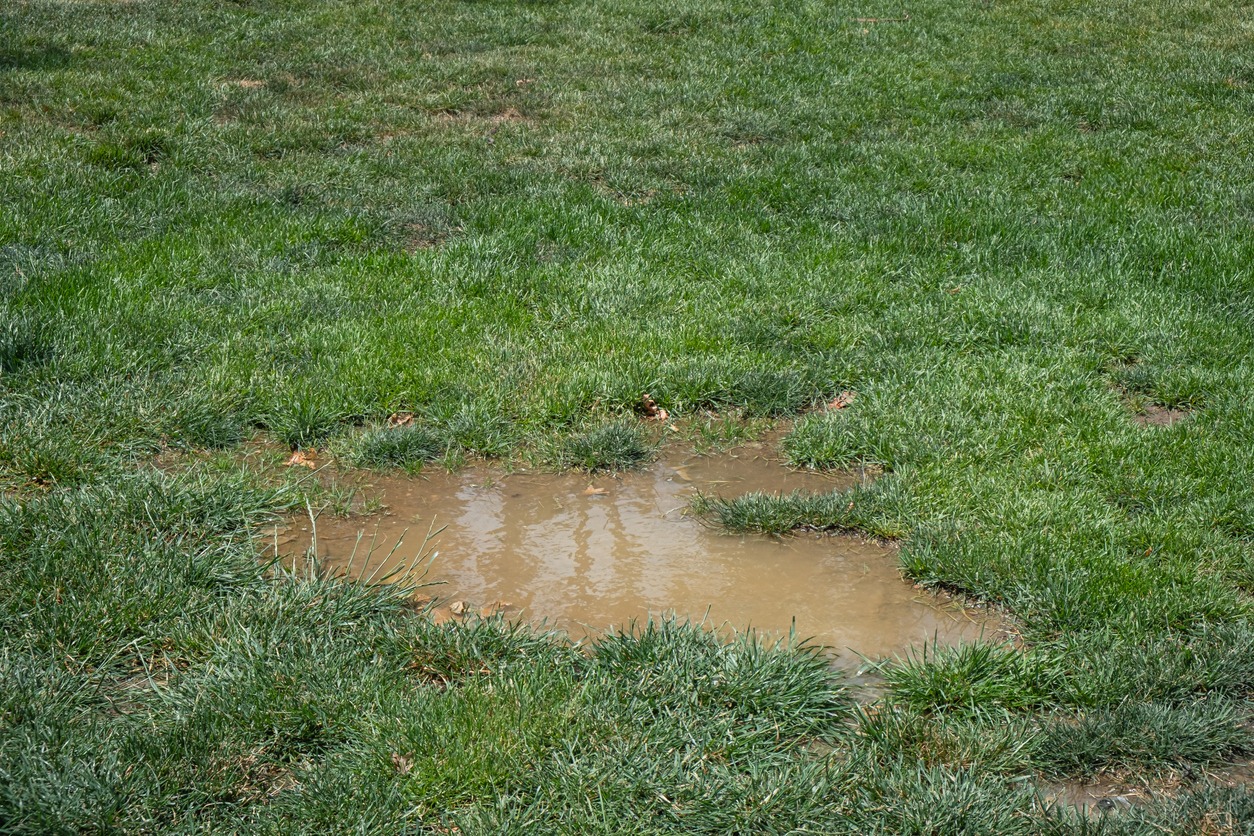
Pooling water is one of those problems that’s easy to dismiss as a drainage issue and easy to ignore – until the turf dies out, or the moisture starts affecting the foundation on a property where the saturated area is close to the house. The correct diagnosis depends on where the water is appearing:
Pooling directly around a head: A leaking head seal or cracked head body that weeps even when the zone is off. Common after freeze damage or after a head is struck. Also caused by a valve that isn’t fully closing (see the zone problems section above).
Pooling in a low area away from heads: Underground pipe joints can crack or separate over time due to winter soil movement in clay-heavy areas or shifting sandy soils near the river.
Soggy area that develops after every cycle: This is often caused by low-head drainage, where water flows from higher sprinkler heads to the lowest point in the zone after the system shuts off. Installing low-head drain valves can usually correct the issue without major excavation.
Underground pipe leaks usually require excavation to repair, and recurring soggy areas should be addressed quickly to prevent further damage to the lawn and soil. Call a professional when this occurs.
Controller Errors and Connectivity Problems

Smart controllers are now standard on new Willow River Company installations, and many older homes in the service area are upgrading from legacy timer-based systems. Controller issues generally fall into three categories:
The system won’t run on schedule: If your irrigation system isn’t running on schedule, check that the controller has power and hasn’t been set to “off” or “rain hold.” Smart controllers may also pause watering automatically during rainfall or lose schedules after Wi-Fi connection issues.
The controller shows an error code: Most irrigation controllers display error codes for wiring or valve issues, but the exact problem isn’t always obvious. In many cases, a simple wiring fault can trigger the same error as a failed component.
Upgrading from a legacy controller: Many older irrigation controllers still work, but they lack modern features like Wi-Fi scheduling, rain sensors, and automatic seasonal adjustments. We offer smart controller upgrades to improve efficiency and convenience. The efficiency gains are real – the EPA’s WaterSense program estimates that smart controllers can reduce outdoor water use significantly, and some utility providers offer rebates for the upgrade.
When to call Willow River Company: Multi-zone simultaneous failure; persistent error codes that don’t resolve after a basic reset; or any situation where you’re not certain which zone number corresponds to which area of the lawn. On older systems without documentation, WRC maps the full zone layout during the diagnostic visit.
Repair vs. Replace: When Is It Time for a New System?
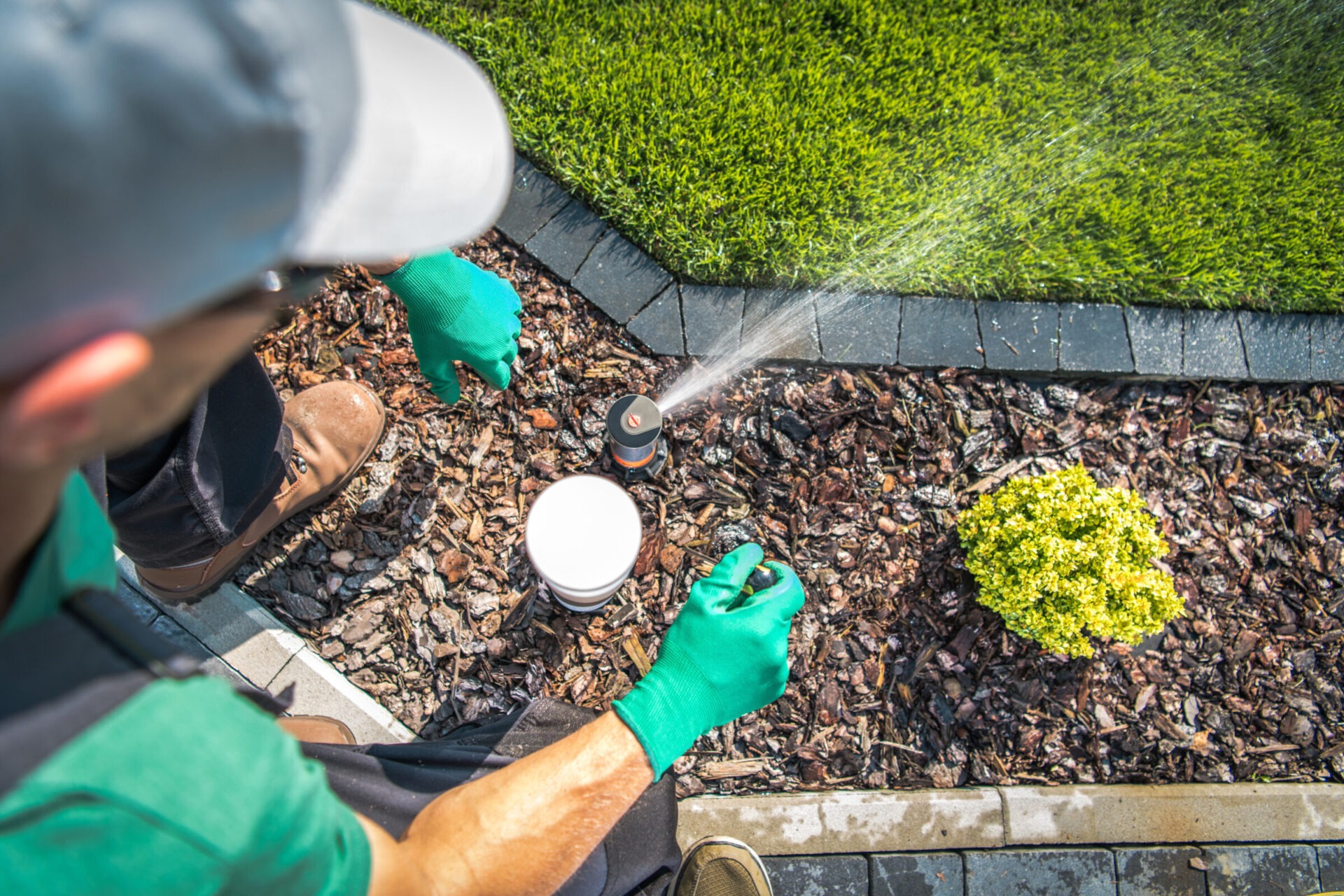
For newer irrigation systems with isolated issues, repairs are usually the most practical option. But for older systems with repeated failures, outdated components, or non-compliant installations, replacement may be the more cost-effective long-term solution.
Red flags that suggest irrigation replacement is the better path:
- PVC pipe that has become brittle, particularly on above-grade sections that have been exposed to UV
- A system that was never professionally winterized – likely has sustained freeze damage across multiple components simultaneously
- No backflow preventer, or a non-compliant installation that doesn’t meet current municipal code
- Head types that are no longer available in matching spec, making true like-for-like replacement impossible
Willow River Company irrigation systems include smart technology, efficient sprinkler heads, and improved zone design for better performance and water efficiency. We also provide honest repair-versus-replacement recommendations during service visits.
Scheduling Irrigation Repair in the St. Croix River Valley

Willow River Company provides irrigation system repair and diagnostic services throughout western Wisconsin, eastern Minnesota, and the greater St. Croix River Valley area.
Spring repair scheduling fills quickly. May and June are peak demand, driven by homeowners discovering problems at startup. If you found a problem this spring, the earlier you contact WRC, the more scheduling flexibility you’ll have.
Willow River Experience (WRX) subscribers receive priority scheduling for repair calls – one of the practical advantages of the subscription program during the busiest weeks of the season.
To learn more about irrigation installation, maintenance, and system upgrades, explore our residential irrigation services.
Frequently Asked Questions — Irrigation Repair
How much does a sprinkler system repair cost in western Wisconsin?
Repair costs vary by component and scope. Underground pipe repair costs depend on the location and extent of the damage, and WRC provides written estimates before any repair work begins.
Can I use my irrigation system if one zone isn’t working?
Yes – in most cases, the rest of the irrigation system can still operate normally if one zone isn’t working. If your sprinkler system is not working and spans multiple zones, that points to a controller or wiring issue. However, if the affected zone is leaking or pooling water, it’s best to keep it off until the issue is diagnosed and repaired.
How do I find my irrigation valve boxes?
Irrigation valve boxes can become difficult to locate over time, especially on systems without documentation. WRC provides valve location services and can create a zone map during a startup or repair visit.
My sprinkler system was installed by another company — will WRC service it?
Yes. WRC services irrigation systems throughout the St. Croix River Valley regardless of the original installer. For systems without documentation, WRC performs a diagnostic assessment to map the system and identify repair needs.
Keeping Your Irrigation System Performing Season After Season
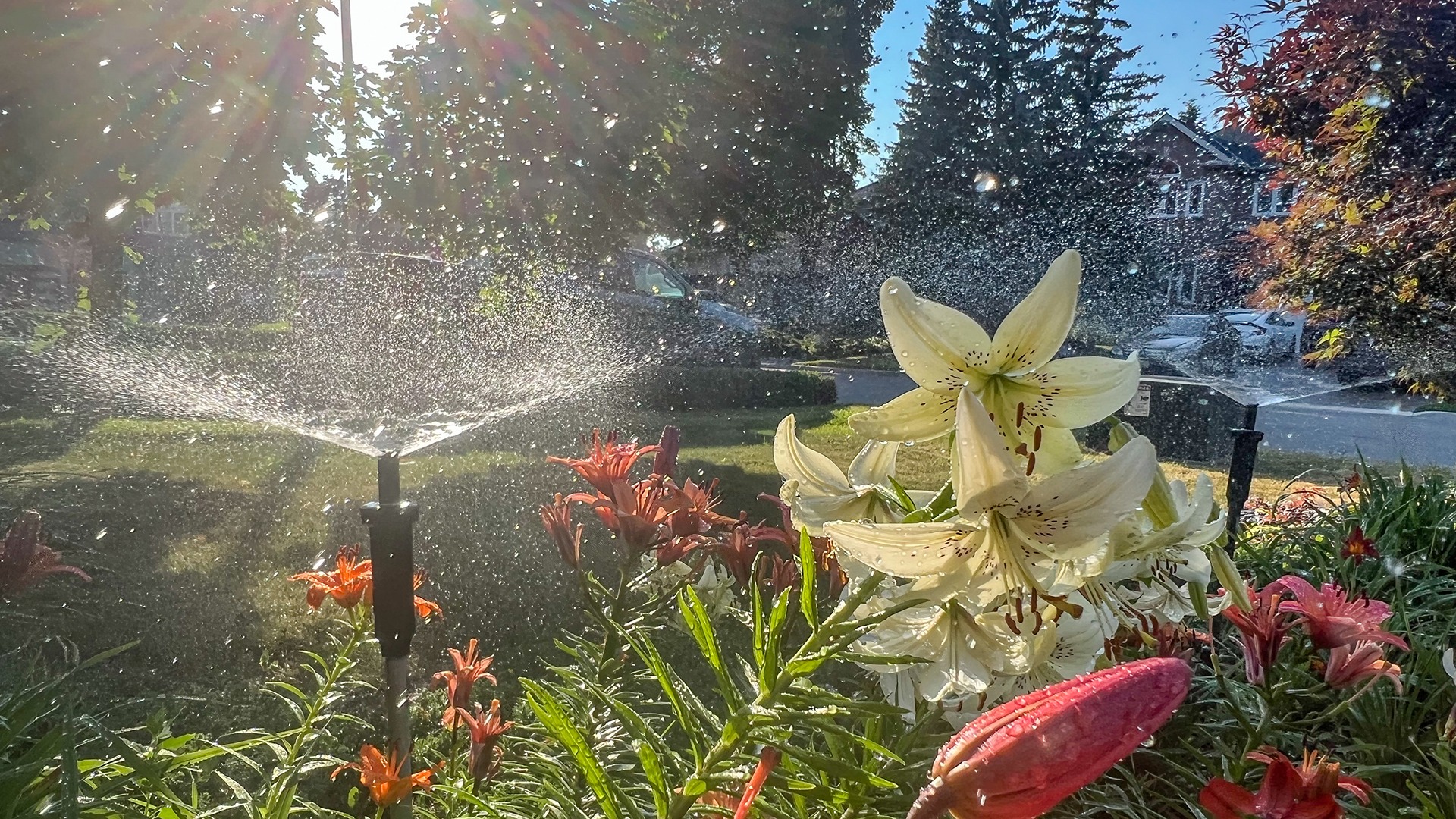
Irrigation systems often go unnoticed until problems appear. In western Wisconsin and eastern Minnesota, freeze-thaw cycles, hard water buildup, and shifting soils commonly lead to broken heads, leaking valves, and non-working zones. Regular maintenance and proper winterization help reduce costly repairs. Whether it’s a simple lawn irrigation repair or a full system diagnostic, the goal is reliable irrigation performance and a healthy landscape all season long.
Something not right with your irrigation system? Ready to scheudle regular maintenance? Willow River Company’s certified team offers sprinkler repair service and full-system maintenance throughout the St. Croix River Valley. Request a quote today.
Summary
Irrigation systems in western Wisconsin and eastern Minnesota face wear from freeze-thaw cycles, shifting soils, and hard water buildup. Problems like broken heads, leaking valves, and controller issues are common, but regular maintenance and early repairs help prevent larger system damage. Timely irrigation system repair is the difference between a minor seasonal fix and a costly replacement down the line.
Knowing when to handle a simple repair yourself and when to call a professional can extend the life of your irrigation system and keep your landscape healthy throughout the season.
Tags: