
When to Aerate Your Lawn in Wisconsin: What St. Croix River Valley Homeowners Need to Know
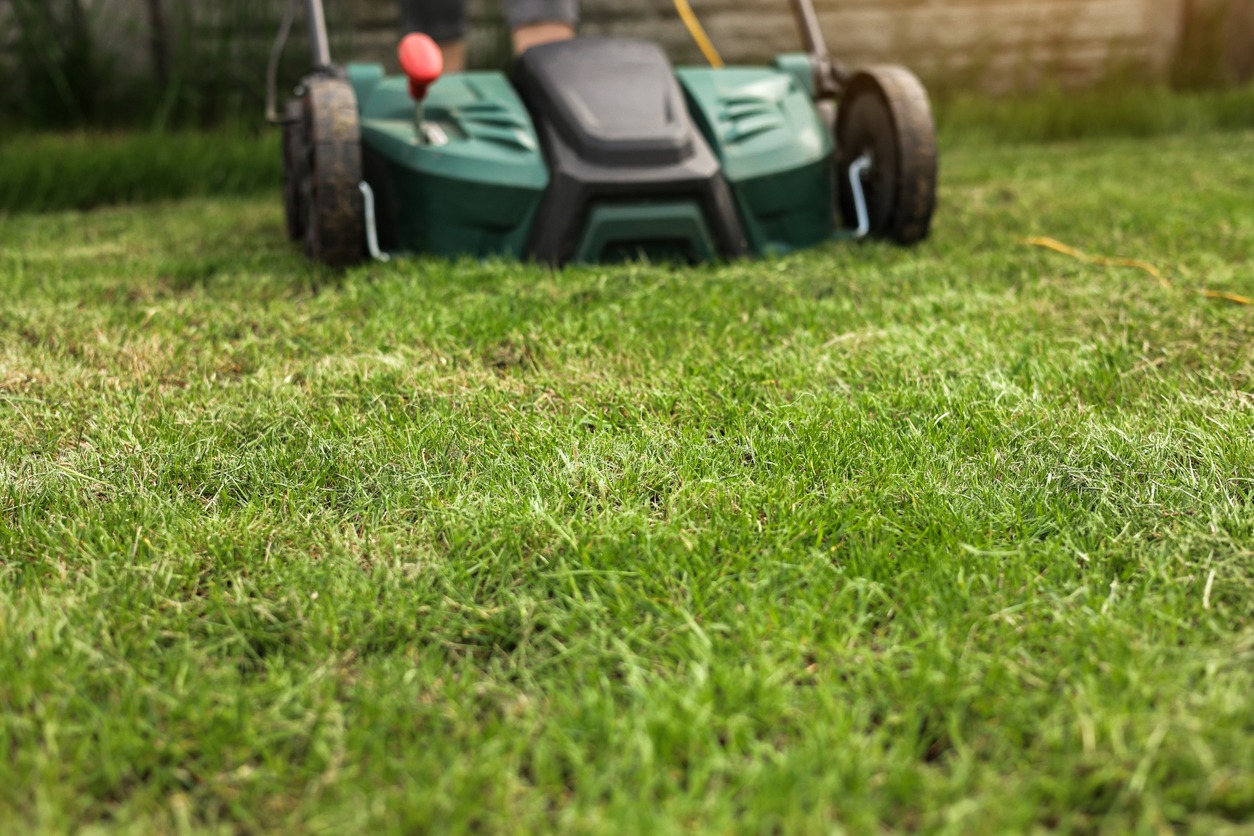
If your lawn looks tired no matter how much you water or fertilize, the issue might not be what you are putting on it, but rather what is keeping it from getting in. Compacted clay soil, common throughout St. Croix River County, acts like a seal over your grassroots. Aeration breaks that seal, and everything you do for your lawn afterward actually works.
Knowing when to aerate your lawn in Wisconsin is the right place to start. Whether you plan to handle the work yourself or hire a lawn aeration service, this guide covers the optimal timing window for the St. Croix River Valley and how to pair aeration with overseeding for the best results before the first frost.
For ongoing seasonal care beyond overseeding, check out our Lawn Care Services Guide designed to keep lawns healthy, thick, and resilient throughout the year.
Why Aeration Matters More in the St. Croix River Valley Than Most Places

Soil compaction is the silent reason many lawns never quite look the way their owners expect. No matter how much fertilizer goes down or how consistently the irrigation runs, a compacted lawn locks those inputs out at the surface.
The clay-dominant soils across St. Croix River County compact faster than the sandy or loamy soils you find in other parts of Wisconsin. Clay particles bind tightly together under pressure, and pressure accumulates fast from foot traffic, mowing equipment, kids, dogs, and parked vehicles. But the most aggressive compaction force in this region is one homeowners rarely think about – the heavy spring thaw.
Wisconsin winters are hard on soil structure. Months of heavy snowpack followed by rapid thawing in March and April put soil through repeated freeze-thaw cycles that leave it significantly compacted by spring. By the time the ground dries enough to walk on in May, the compaction is already set.
Core aeration directly counters this. An aerator pulls cylindrical plugs, typically 2 to 4 inches deep, out of the ground at regular intervals, creating channels for water, air, and fertilizer to move through the soil profile. The plugs break down within a few weeks, returning organic matter to the lawn.
If your lawn “never responds” to fertilization, compaction is almost certainly the explanation. The nutrients are there, they just cannot get through.
The Best Time to Aerate Your Lawn: Fall vs. Spring
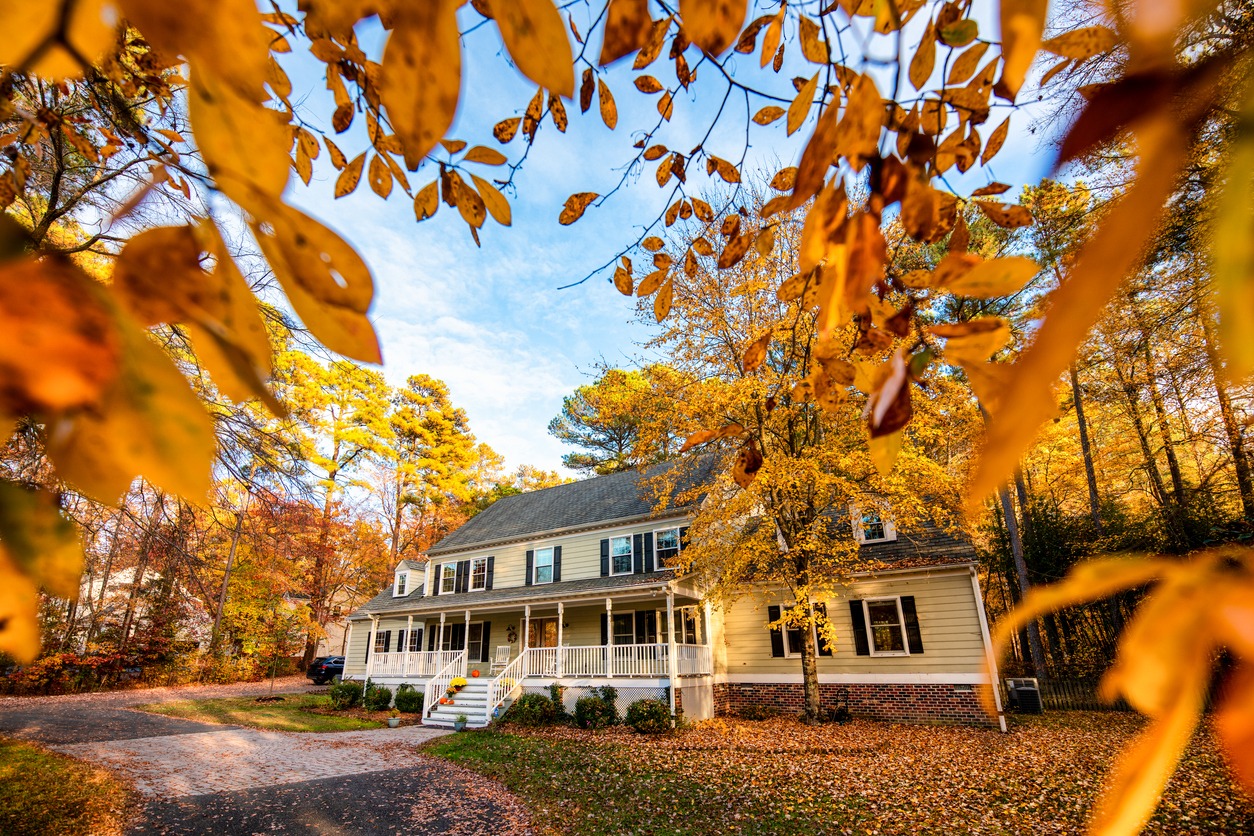
The problem is timing. Soil in this region is frequently still waterlogged from snowmelt well into May. Aerating waterlogged clay does not produce clean plug extraction; the tines smear wet soil rather than pulling cores, which can make compaction worse in the short term. Even in a dry spring, the aerating window before summer heat arrives is narrow, and summer is the worst possible time to try to establish new grass seed.
The correct window for fall lawn aeration in St. Croix River County runs from late August through the third week of September. Here is why the timing works:
- Cool-season grasses like Kentucky bluegrass, tall fescue, and fine fescue are the dominant varieties in the St. Croix River Valley. They actively grow in cooler soil temperatures, meaning they recover from aeration quickly and exploit the new channels before going dormant.
- Cooler temperatures reduce thermal stress on newly overseeded grass, improving germination rates significantly compared to spring or summer seeding.
- Cool-season grass does its most important root-building work before dormancy, and fall lawn aeration ensures your October fertilizer reaches those root zones through freshly opened channels.
Spring aeration is worth considering only when a lawn missed its fall window and compaction has become severe enough that water is pooling regularly or grass is visibly struggling. In that situation it serves as a reasonable emergency intervention, not a preferred approach. For Wisconsin homeowners, the best time to aerate lawn remains the fall window, every year.
Aeration and Overseeding Together: Why the Combination Works
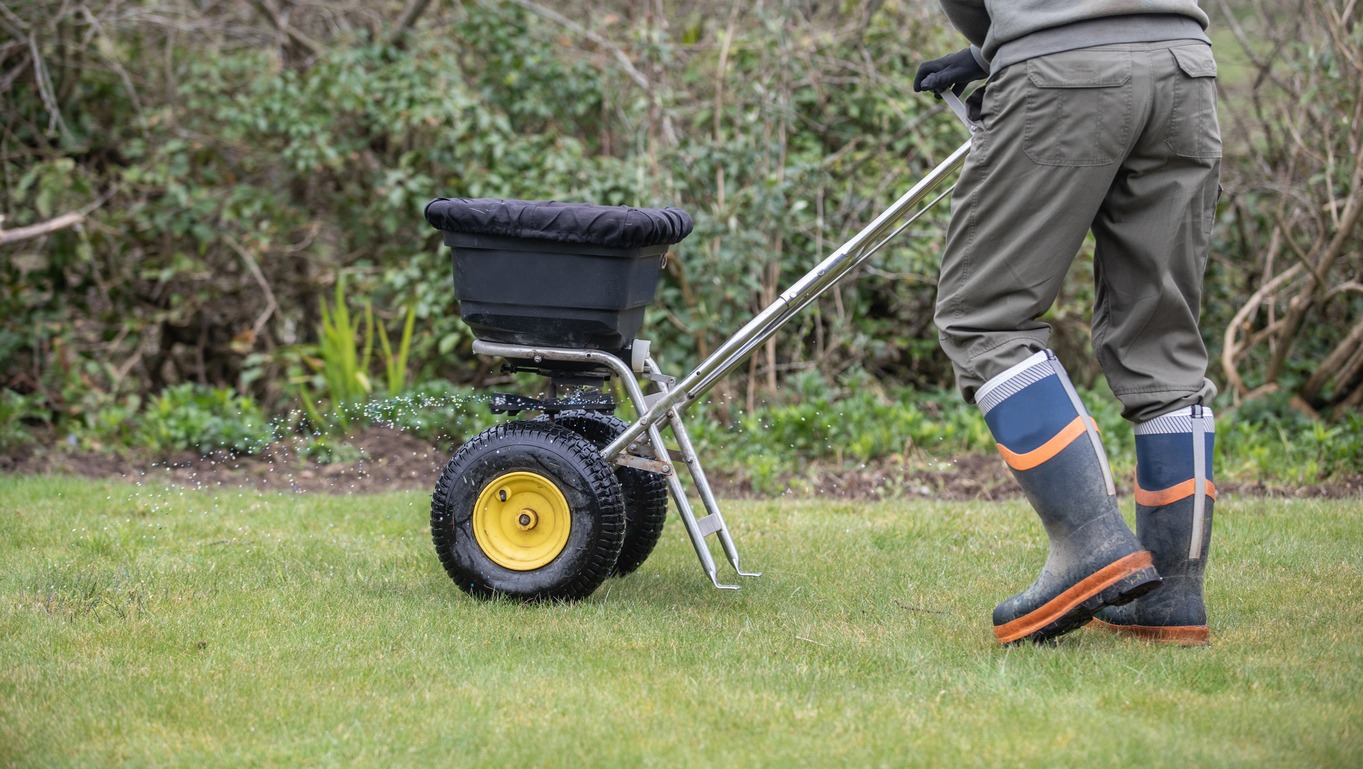
Aeration and overseeding are more effective together than either is alone. Lawn overseeding on its own produces inconsistent results on compacted soil, but when it follows aeration, outcomes are reliably better.
When seed is dropped immediately after a core aeration service, a significant portion falls directly into the plug holes. Those holes provide direct soil contact, which is the single most critical factor for germination. Seed nestled in an aeration channel is surrounded by loose soil, protected from surface drying, and in direct contact with the moisture it needs to establish.
Choosing the right grass for your property matters. Effective lawn overseeding in Wisconsin starts with matching seed variety to site conditions. The St. Croix River Valley sees enough variation in sun exposure, soil moisture, and topography that no single grass type fits every lawn. These are the varieties that consistently perform well in the local environment:
- Kentucky bluegrass is the right choice for open, sunny lawns with reliable moisture. It produces a dense, attractive turf but needs sun and consistent water.
- Tall fescue develops a deeper root system than bluegrass, making it more drought-tolerant. It is the better option for south-facing slopes and areas where irrigation cannot always compensate for dry spells.
- Fine fescue varieties (creeping red, chewings, hard fescue) are shade-tolerant and lower-maintenance. They are the practical choice for wooded lots and the shaded properties along the St. Croix riverbank and bluff areas.
Not sure which variety suits your property? Visit the Willow River Company Nursery to browse native turf and seed options that are proven to thrive in this environment, or speak with one of our experts there who can help you make the right call for your specific site conditions.
After overseeding, watering protocol is everything. New seed needs two light waterings per day for the first two weeks – enough to keep the top inch of soil consistently moist without saturating it. Watering twice a day for the first two weeks is critical to ensure germination rates do not drop. If you want consistent coverage without the hassle of manual watering, check out our irrigation services designed to support healthy lawn establishment throughout the overseeding process.
For ongoing seasonal care beyond overseeding, check out our lawn care & maintenance packages designed to keep St. Croix River Valley lawns healthy, thick, and resilient throughout the year.
Signs Your St. Croix River Valley Lawn Needs Aeration Now
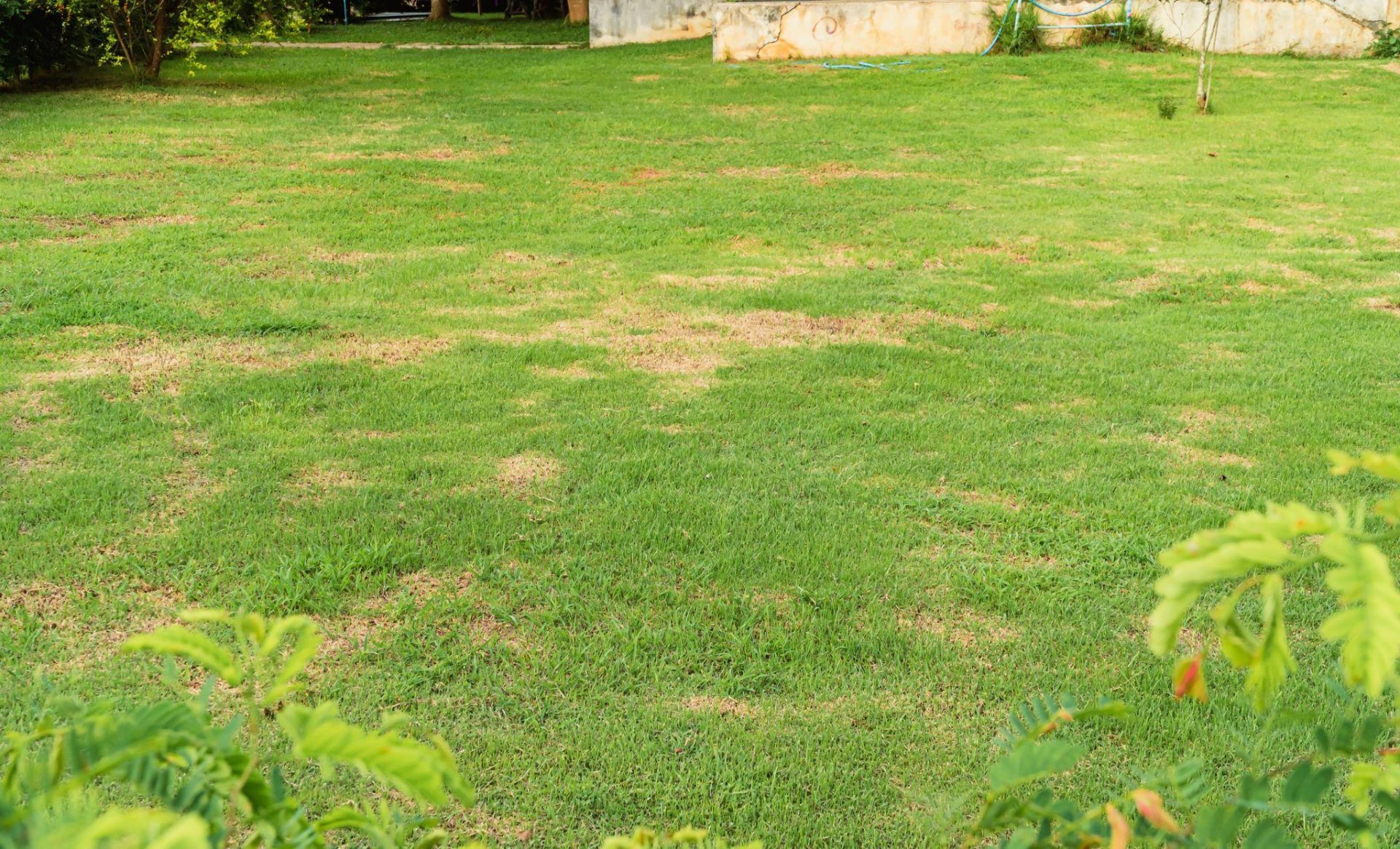
You do not need a soil test to identify severe compaction. Your lawn will tell you directly, watch for:
- Water puddles on the surface after rain rather than soaking in. This is the most visible indicator that the ground has become effectively impermeable. The lawn feels spongy or “thatchy” underfoot. A thatch layer above half an inch prevents water penetration. Aeration breaks through it.
- Grass is thin and pale despite regular fertilization. Compaction is locking nutrients out of the root zone. Fertilizer sits on the surface rather than moving down.
- Bare patches in high-traffic areas. Common in yards with dogs, children’s play equipment, or grass edges used for parking. Repeated pressure compacts soil faster than annual aeration can recover it.
If your lawn is showing any of these signs, it is time to aerate. For Wisconsin homeowners, late August through early September is the window to act, and waiting another season only makes compaction harder to reverse.
Getting it Right Before Winter Arrives
Aeration is not complicated, but it is time-sensitive. For St. Croix River Valley homeowners, the window is late August through the third week of September, and the steps are straightforward: aerate first, overseed immediately after with the right variety for your site conditions, and keep the soil consistently moist for the first two weeks while the seed establishes.
Clay-heavy soil that has been through another Wisconsin winter does not get easier to manage on its own. The compaction compounds, the fertilizer keeps washing off the surface, and the lawn continues to underperform despite the time and money going into it. A single fall aeration and overseeding service breaks that cycle before the ground freezes.
If your lawn is puddling after rain, failing to respond to fertilizer, or thinning in areas that used to hold well, you already know what it needs. Request A Quote today to schedule your fall lawn aeration and overseeding service with Willow River Company before the late September deadline.
Summary:
Homeowners in Hudson, WI and across the St. Croix River Valley often deal with lawn compaction caused by clay heavy soil, freeze thaw cycles, and constant foot traffic. Willow River Company’s lawn aeration and overseeding services help restore healthy root growth, improve nutrient absorption, and strengthen lawns before winter arrives.
This guide explains the best time to aerate your lawn in Wisconsin, why fall aeration produces the strongest results, and how to identify signs your lawn needs immediate attention. It also covers overseeding strategies, grass selection for local conditions, and what homeowners can expect from a professional aeration service in Hudson and surrounding communities.
Tags: