
Protecting Trees During Construction: Roots, Soil, and Access
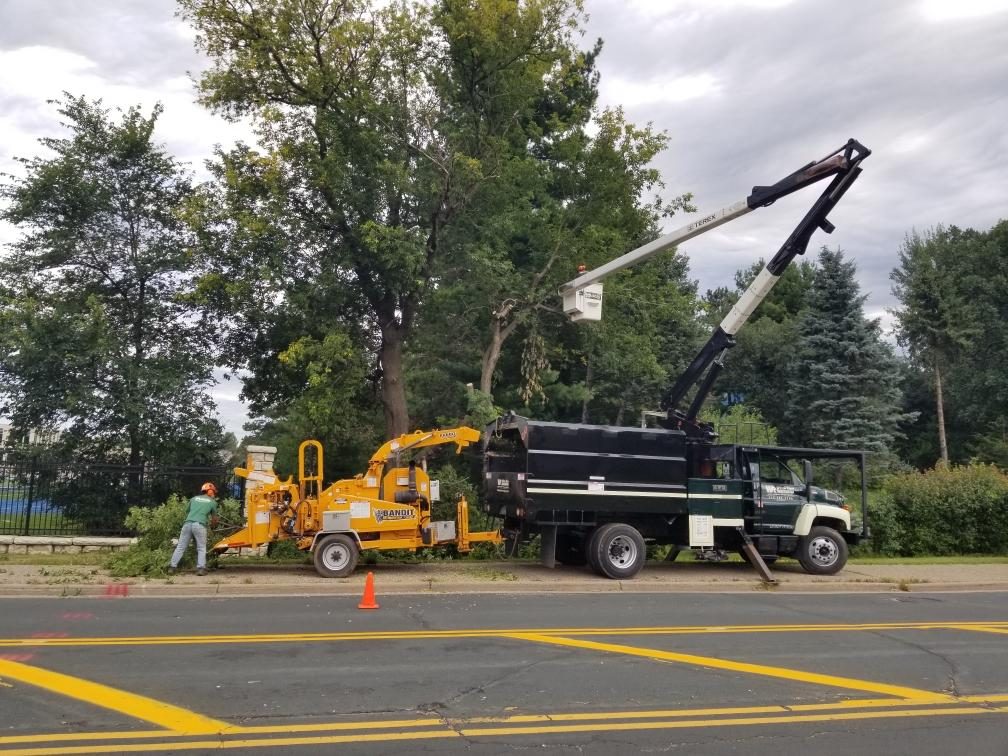
You’ve planned the perfect home addition or new deck, and construction is about to start. But have you planned tree protection during construction? Many homeowners are shocked when a healthy tree starts declining a year or two after nearby excavation or heavy equipment work. By the time you notice leaf drop or dead branches, it may be too late to save that beloved oak or maple. Replacing a mature tree is not only heartbreaking but also costly and time-consuming.
The good news is that you can safeguard your trees without derailing your project. The solution lies in proactive planning and working with the right people. When you have a single company handling everything from design to tree care, you get consistent communication and no surprises. You can trust that a knowledgeable crew with certified arborists, horticulturists, and other specialists will stay on schedule, coordinate protection measures, and treat your property fairly and professionally. Your trees are valuable assets, and tree protection during construction ensures those assets are well looked after.
How to Set a Tree Protection Zone (TPZ) That Works
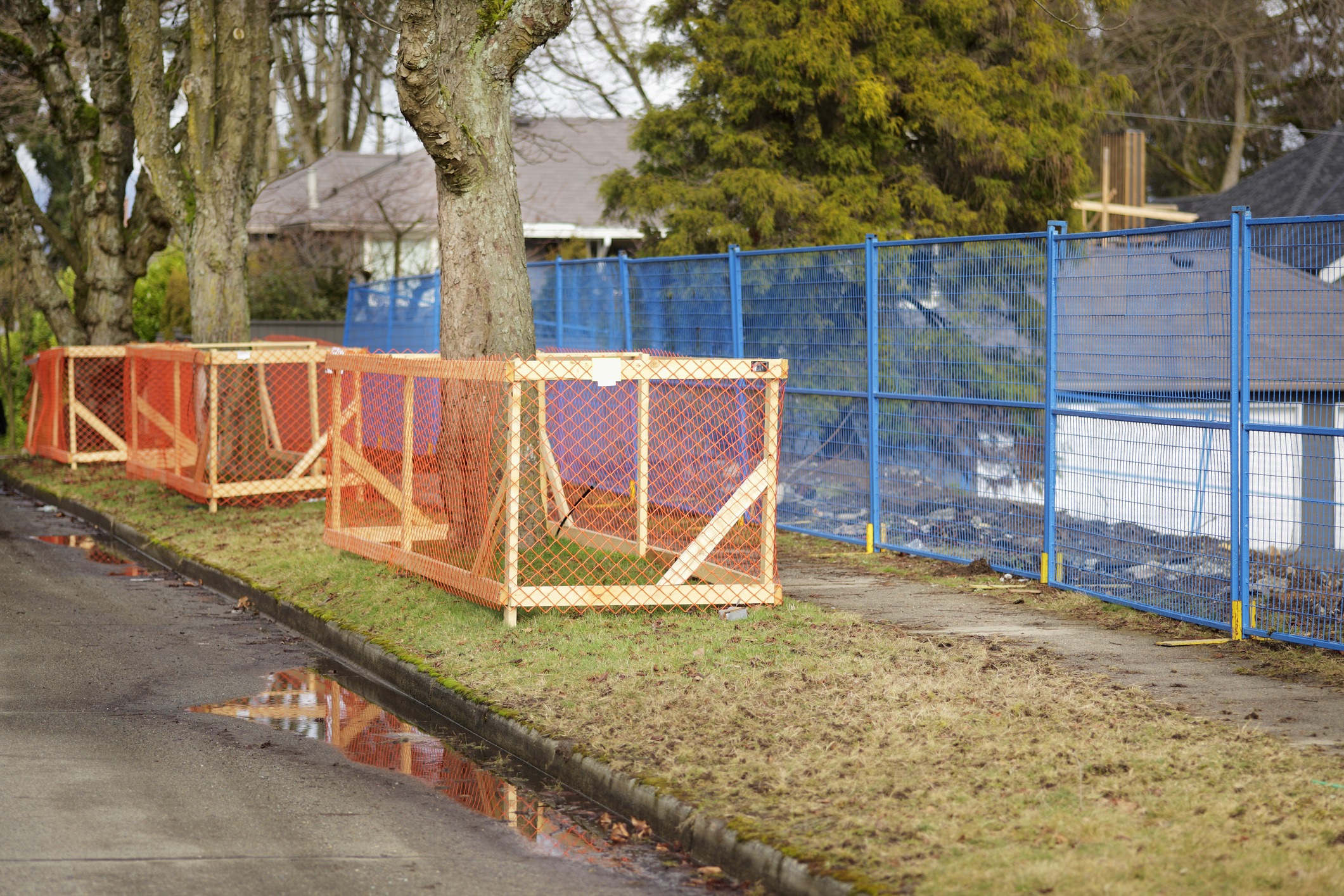
One of the most important steps in tree protection during construction is establishing a Tree Protection Zone (TPZ) around each tree you want to save. Think of the TPZ as a “Do Not Disturb” circle around the tree’s trunk. Inside this zone, the tree’s critical roots grow and the soil needs to stay healthy. Any construction activities inside the TPZ such as digging, driving vehicles, or storing materials, can cut roots or compact soil, which severely harms the tree.
A common rule of thumb is to protect at least 1 foot of radius for every inch of trunk diameter. For example, a 20-inch diameter tree would have a TPZ radius of about 20 feet. If space allows, err on the side of a larger zone. Trees have extensive root systems, often spreading well beyond the drip line of the branches.
Once you’ve calculated a suitable radius, mark and barricade the TPZ before any equipment rolls onto the site. It’s wise to involve a certified arborist when mapping out TPZs, as they can identify the critical root zone and adjust for site-specific factors. By planning a proper TPZ upfront, you establish a clear off-limits area that puts tree protection during construction into concrete terms for your work crew.
What Root Zone Fencing, Signage, & Access Routes Keep Crews Out?
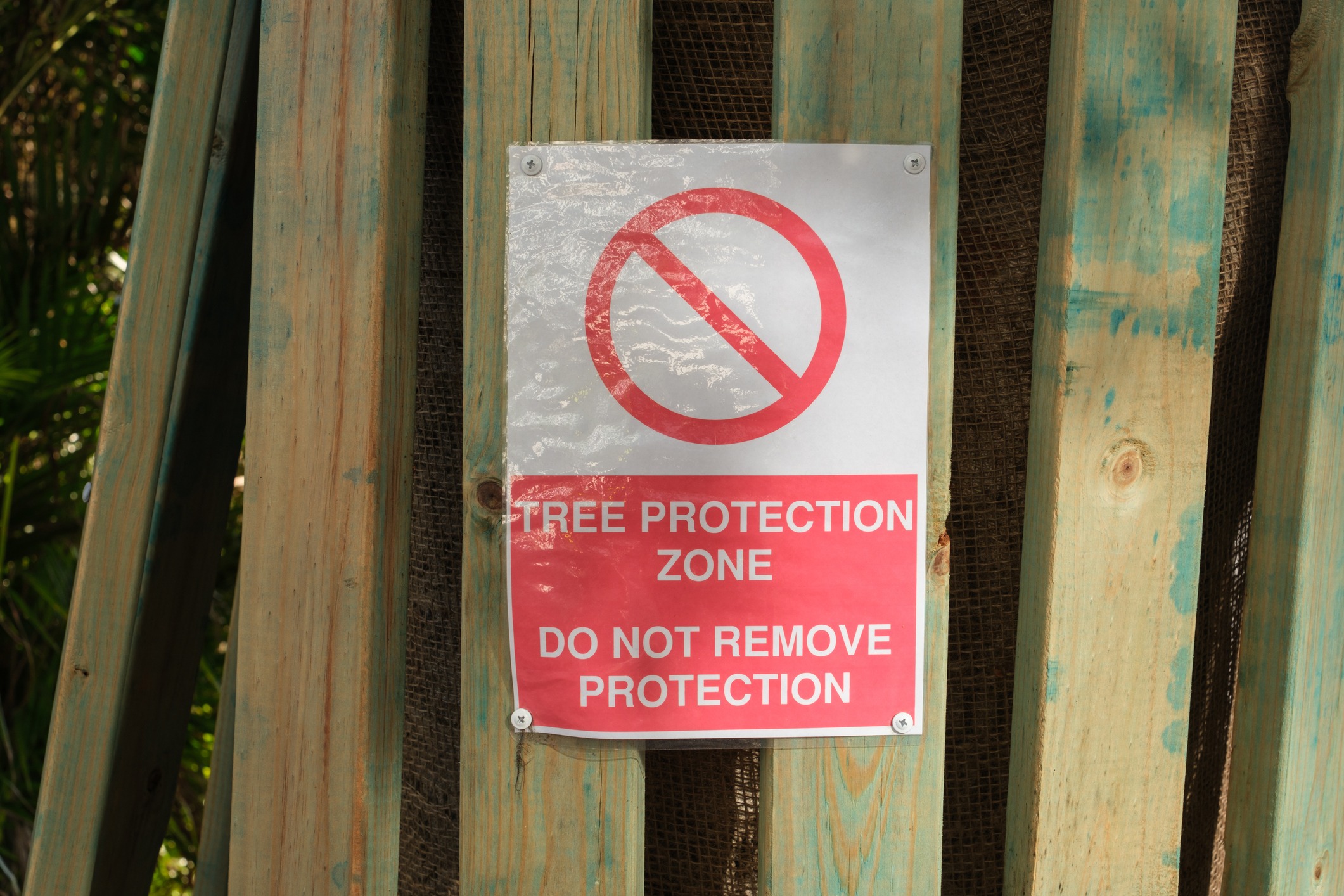
Fencing makes the TPZ visible and enforceable. Use chain-link panels or sturdy wooden posts with mesh at least 3–4 feet high. Add “Tree Protection Zone – Keep Out” signs where workers can see them.
Plan access routes so machinery follows one gravel or plywood path, away from trees. Also, designate material storage areas in advance to avoid accidental damage.
Best practices:
- Fence as far from the trunk as possible.
- Mark safe storage areas.
- Talk with the contractor before work starts so expectations are clear.
When workers have clear routes and boundaries, your tree protection during construction is far more likely to succeed.
How Does Soil Compaction Affect Trees & How Can You Prevent It?
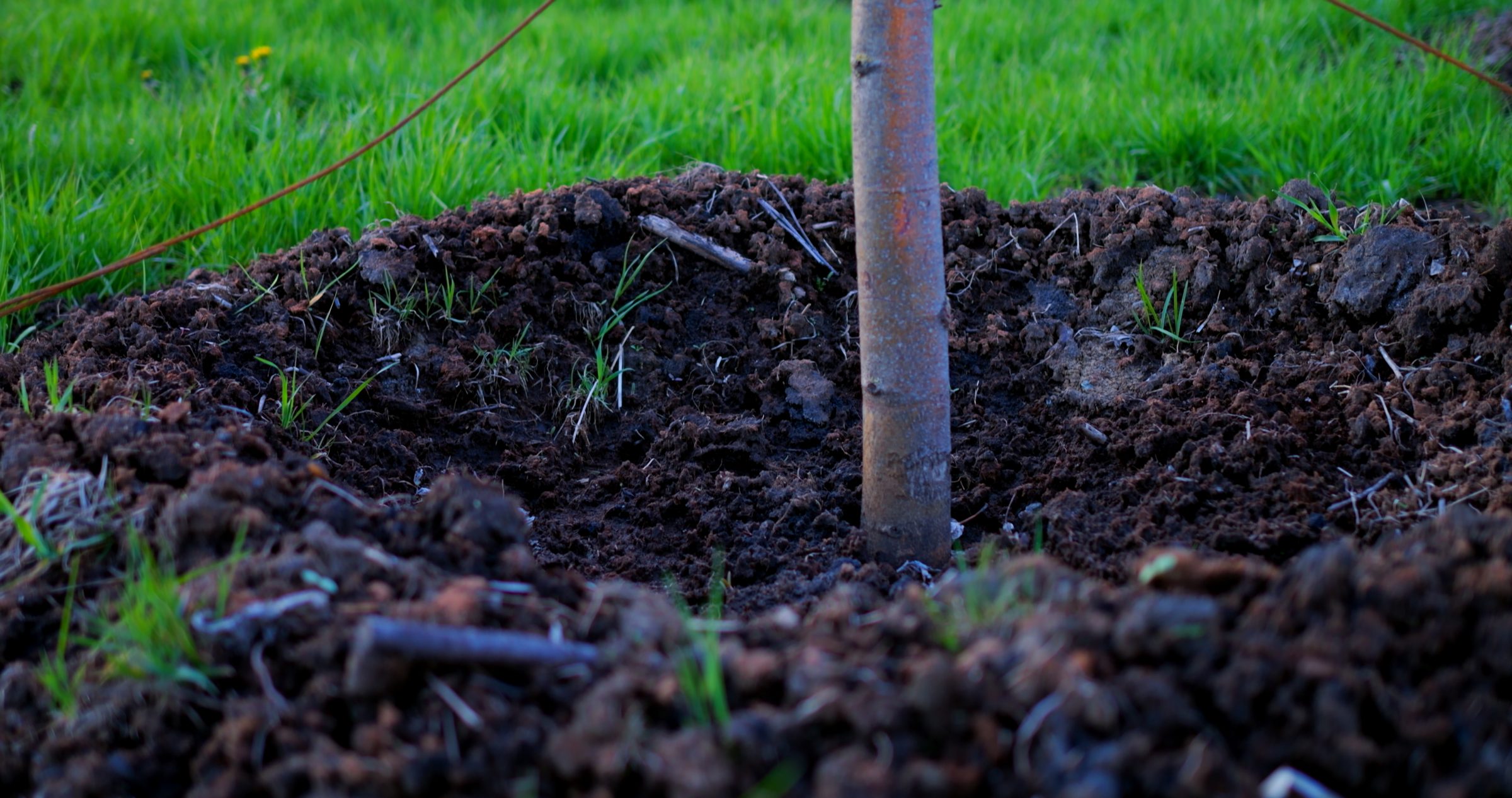
Even if no one digs a single root, your tree can still suffer if the soil around it gets compacted. Soil compaction and trees don’t mix well – tightly packed soil means less room for air and water, effectively suffocating the roots.
The biggest culprits on a construction site are vehicles, excavation, and storage of heavy materials. Wet conditions make it worse. Unfortunately, the areas directly under a tree’s canopy are often in the path of construction activity if not proactively shielded.
To minimize compaction, keep all heavy activity outside the drip line. If a root zone must be crossed, lay down thick plywood or a mulch layer to absorb pressure. Never park vehicles or stockpile supplies within the TPZ.
Symptoms of compaction include yellowing leaves, sparse foliage, and slow growth. Preventing compaction is much easier than repairing it later. But if it does occur, remedies include soil aeration, mulching, and deep watering. Keeping the soil loose and alive is one of the smartest things you can do for tree protection during construction.
Why Should You Avoid Grade Changes Around Trees During Construction?
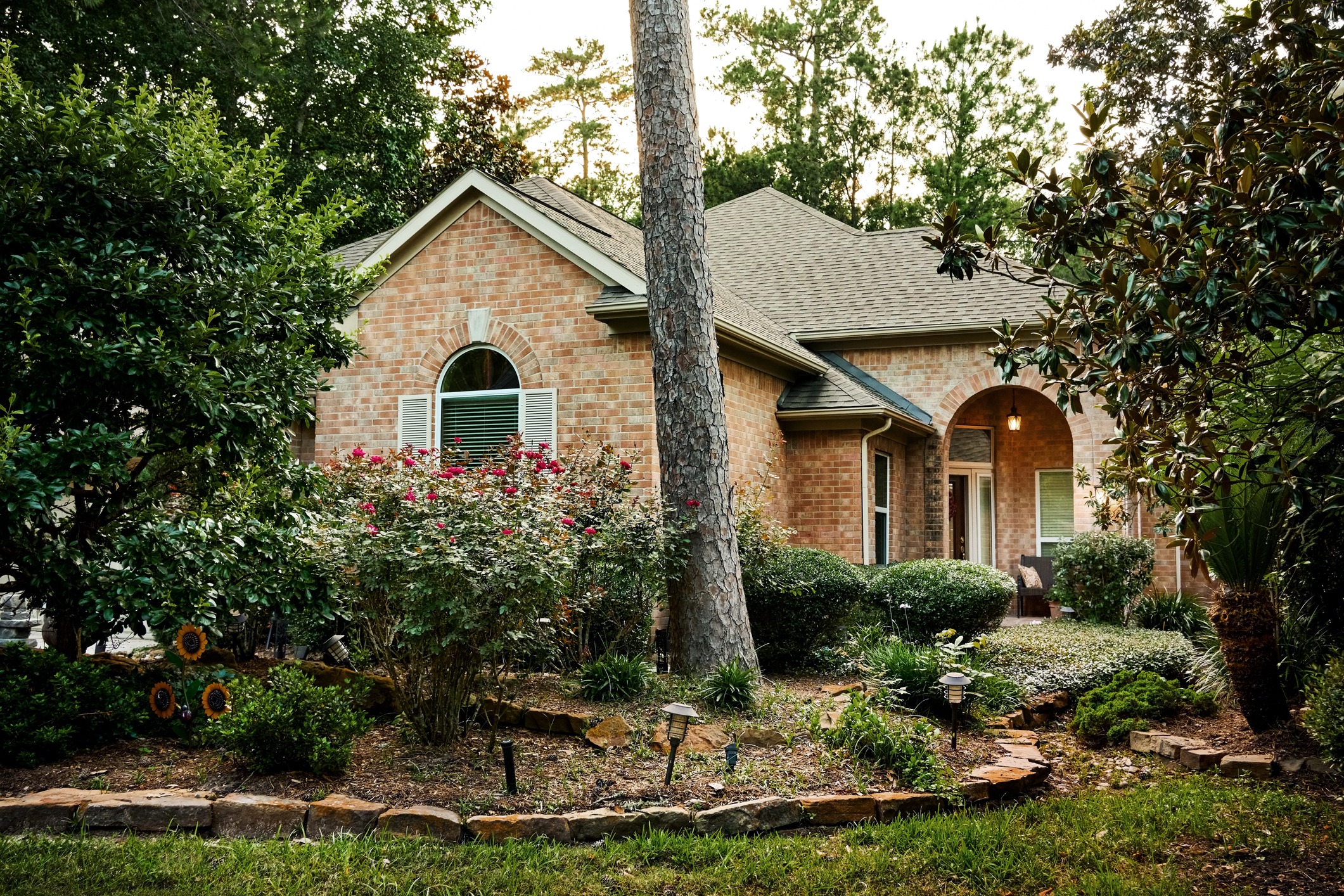
It might seem harmless to add a few inches of soil or remove a little there, but grade changes around trees can be extremely disruptive. Adding fill over the roots can smother them, while lowering the grade can slice away the fine roots that feed the tree. Piling soil against the trunk can keep it too moist, leading to bark rot and pests.
Even as little as 2–3 inches of added soil can start to cause problems. Fine roots live in the top few inches of soil where oxygen is plentiful. Covering them with clay or compact soil can suffocate them.
To protect trees, avoid altering grade levels near their base. If changes are unavoidable, consider solutions like tree wells, retaining walls, or aeration systems that allow oxygen to reach roots. Preserving the natural grade is one of the simplest and most effective forms of tree protection during construction.
What Are the Best Alternatives to Trenching Near Tree Roots?
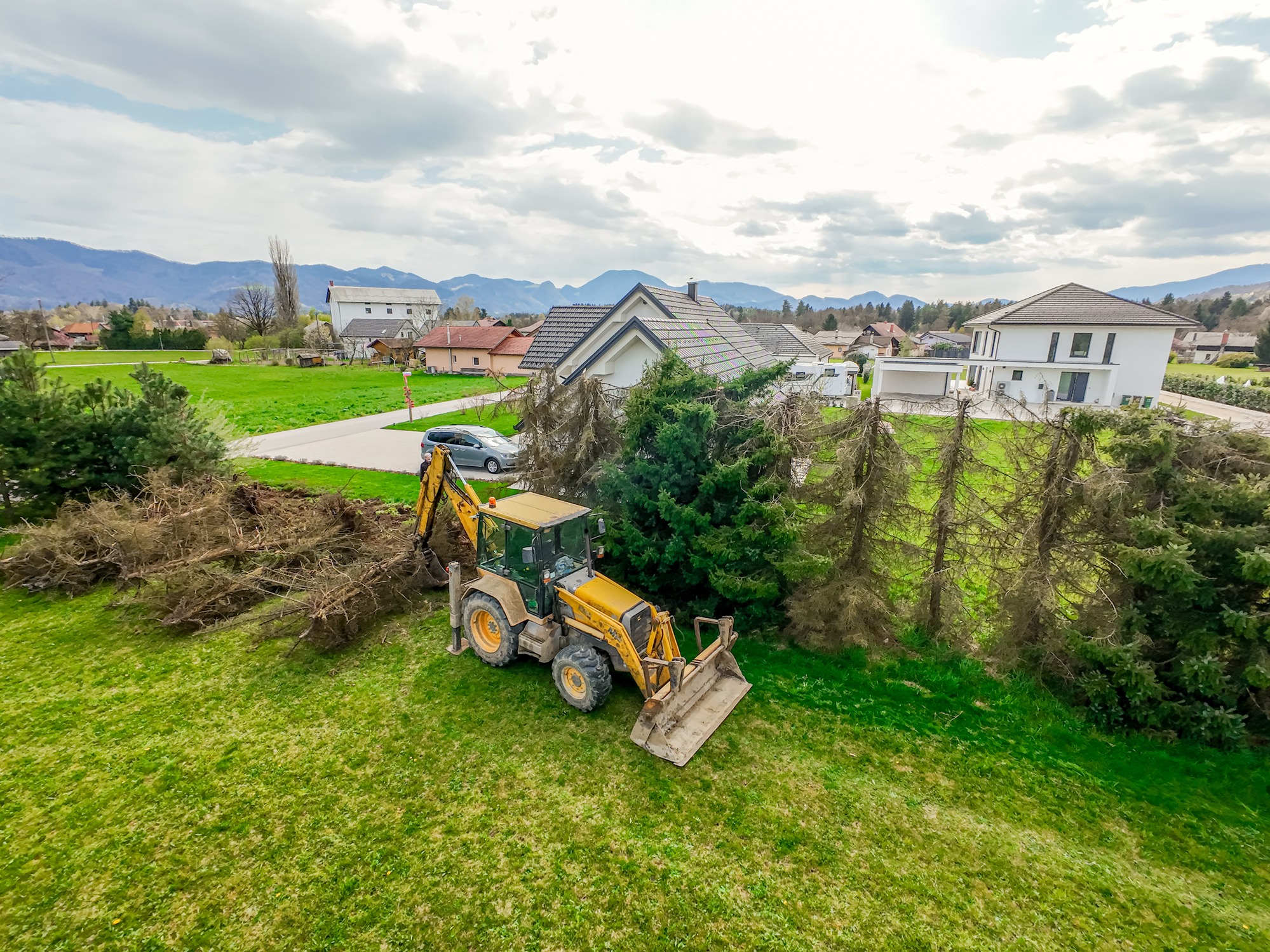
Utility lines and foundations often require digging, but trenching near tree roots can cut major roots and destabilize trees.
Here are the safer alternatives to trenching near tree roots:
Boring Under Roots
Horizontal boring allows you to run utilities underground without slicing through roots. It avoids open trenching and keeps structural roots intact.
Bridging Over Roots
When building paths or decks, consider raised designs supported outside the root zone. This “bridge” protects roots below while still meeting project goals.
Rerouting Utilities or Footings
Sometimes the simplest solution is to shift the path. Rerouting trenches or foundations a few feet can preserve critical roots and prevent long-term decline.
Together, these methods reduce risk and give your tree the best chance to thrive after construction.
How Can You Help Trees Recover After Construction?
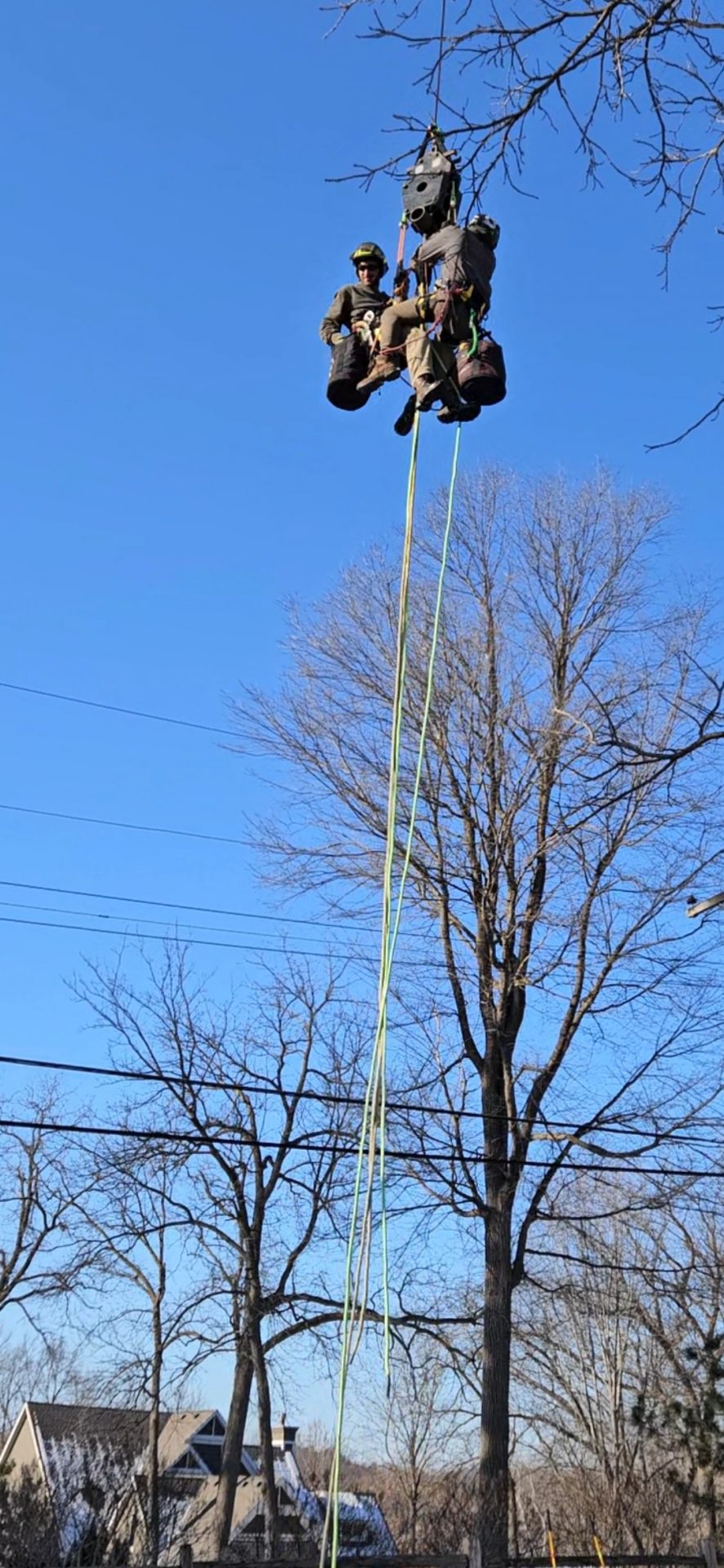
Even with strong protection in place, construction puts trees under tremendous stress. Soil is often compacted, roots may be cut, and changes in grading or drainage can leave trees struggling to adapt. That’s why post-project care is just as important as protection during construction.
Here’s how you can help trees recover after construction:
Watering
Deep watering is critical in the months following construction. Damaged or lost roots need extra help, and consistent moisture allows new feeder roots to grow. Use a soaker hose or slow-drip method so water penetrates 8–12 inches into the soil rather than running off the surface. During dry spells, this steady supply makes the difference between recovery and decline.
Mulching
A fresh layer of mulch 2 to 4 inches deep over the root zone helps regulate soil temperature, hold in moisture, and encourage biological activity underground. Be sure to keep mulch away from the trunk to prevent bark rot. Over time, organic mulch also breaks down, improving the soil structure and providing nutrients that stressed roots can quickly use.
Monitoring
Trees often show delayed signs of stress. A thinning canopy, smaller than normal leaves, or early fall color can all signal that a tree is under pressure. Scheduling an arborist inspection about six months after construction gives you a professional eye on hidden problems and ensures timely treatment if needed.
By combining steady watering, proper mulching, and ongoing monitoring, you help your trees rebuild root strength, restore energy reserves, and continue adding beauty and value to your property for years to come.
Pre-Construction Tree Protection Checklist
Before the first shovel of dirt is turned, run through this checklist:
- Identify priority trees and mark them.
- Consult a certified arborist for high-value trees.
- Establish and fence the TPZ with signs.
- Plan access and storage areas away from trees.
- Avoid grade changes inside the TPZ.
- Map utility lines and reroute or bore under roots.
- Educate crews on protection measures.
- Schedule watering or mid-project arborist check-ins if needed.
Why Choose Willow River Company for Tree Protection?
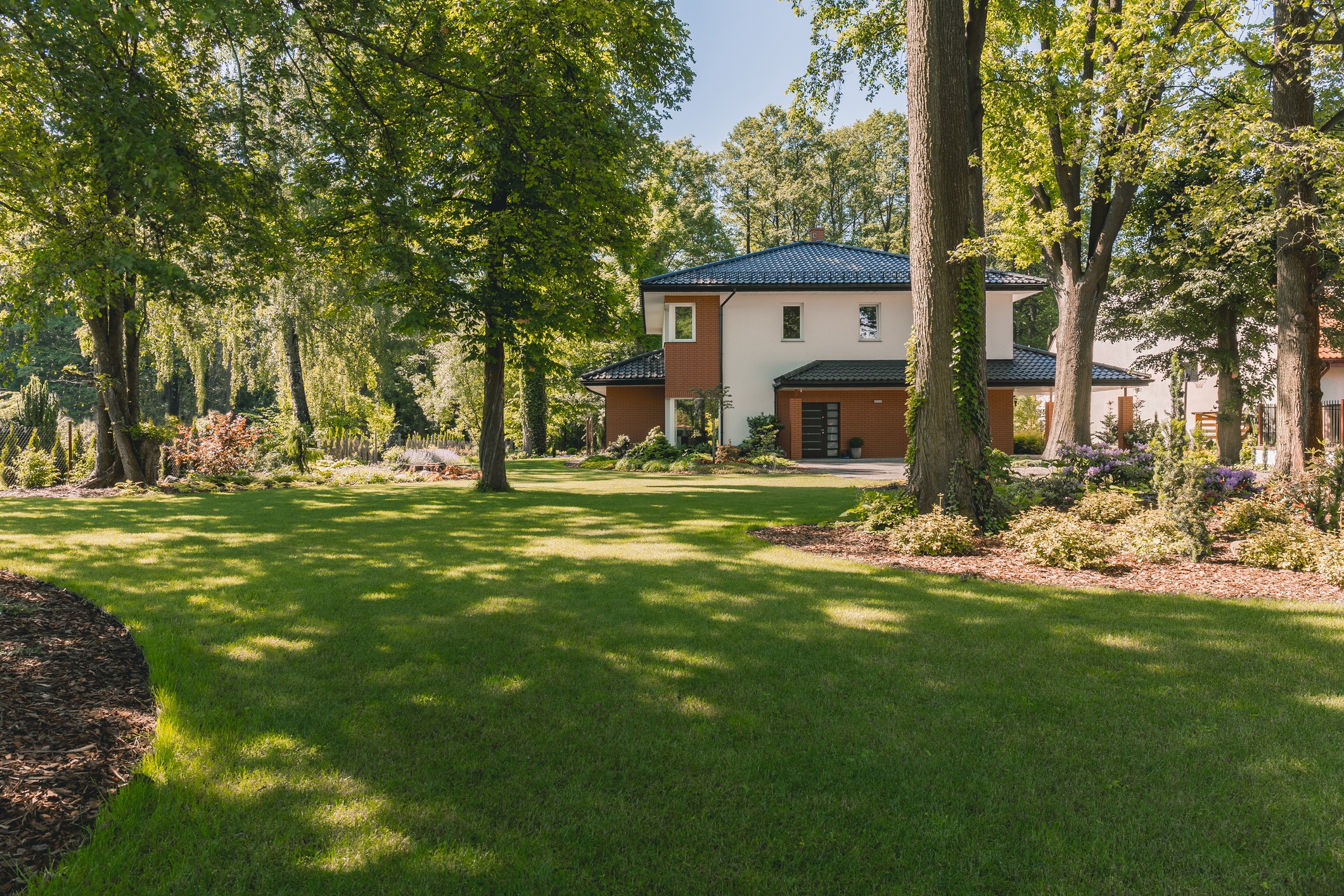
When you partner with Willow River Company, you get a coordinated, start-to-finish approach under one roof. Our certified arborists, contractors, and irrigation technicians work together to handle every step, including planning, protective fencing, soil assessment, and post-project recovery, so you don’t have to juggle multiple contractors or worry about gaps in care.
We believe clear communication and reliable schedules matter just as much as technical skill. That’s why our crews show up on time, explain each step, and treat your property with the same respect as if it were our own.
Your trees are living investments that cannot be replaced once they are lost. Protect them with foresight, proven strategies, and the right expertise.
If you’re planning construction and want to safeguard both your landscape and your peace of mind, request a quote today.
Summary
Construction projects can stress or kill trees if precautions aren’t taken. This guide explains tree protection during construction, from setting up tree protection zones with fencing and signage to preventing soil compaction. It outlines why avoiding grade changes around trees is vital and shares safe methods for trenching near tree roots, such as rerouting or boring. It also covers post-construction recovery steps like watering, mulching, and monitoring for stress. With planning and professional guidance, you can protect mature trees while completing your project. Willow River Company offers a dependable, all-in-one solution for planning, fencing, and recovery care, keeping your trees safe while work moves forward.
Tags: