
What Are the Best Landscaping Materials for Midwest Climate Durability?
Midwestern weather swings from scorching summers to freezing winters, and many outdoor projects fail because materials crack, warp or wash away. Constant repairs sap your time and money and make it hard to enjoy your backyard. The underlying issue is using products not designed for freeze–thaw cycles and moisture.
Wood decks buckle when moisture seeps in and freezes, and patio stones laid on bare soil shift underfoot. Over time, these failures not only require costly replacements but also pose safety hazards. By selecting landscaping materials that Midwest homeowners rely on and installing them properly, you can build a lasting yard.
This guide covers durable surfaces, strong walls, low‑maintenance decks, resilient mulches, hardy plants and finishing touches for our climate.
How Do Patios & Walkways Withstand Midwest Weather?

The right decisions at the start save you from costly repairs and endless maintenance. Picture how these choices could bring your vision to life while standing up to our climate.
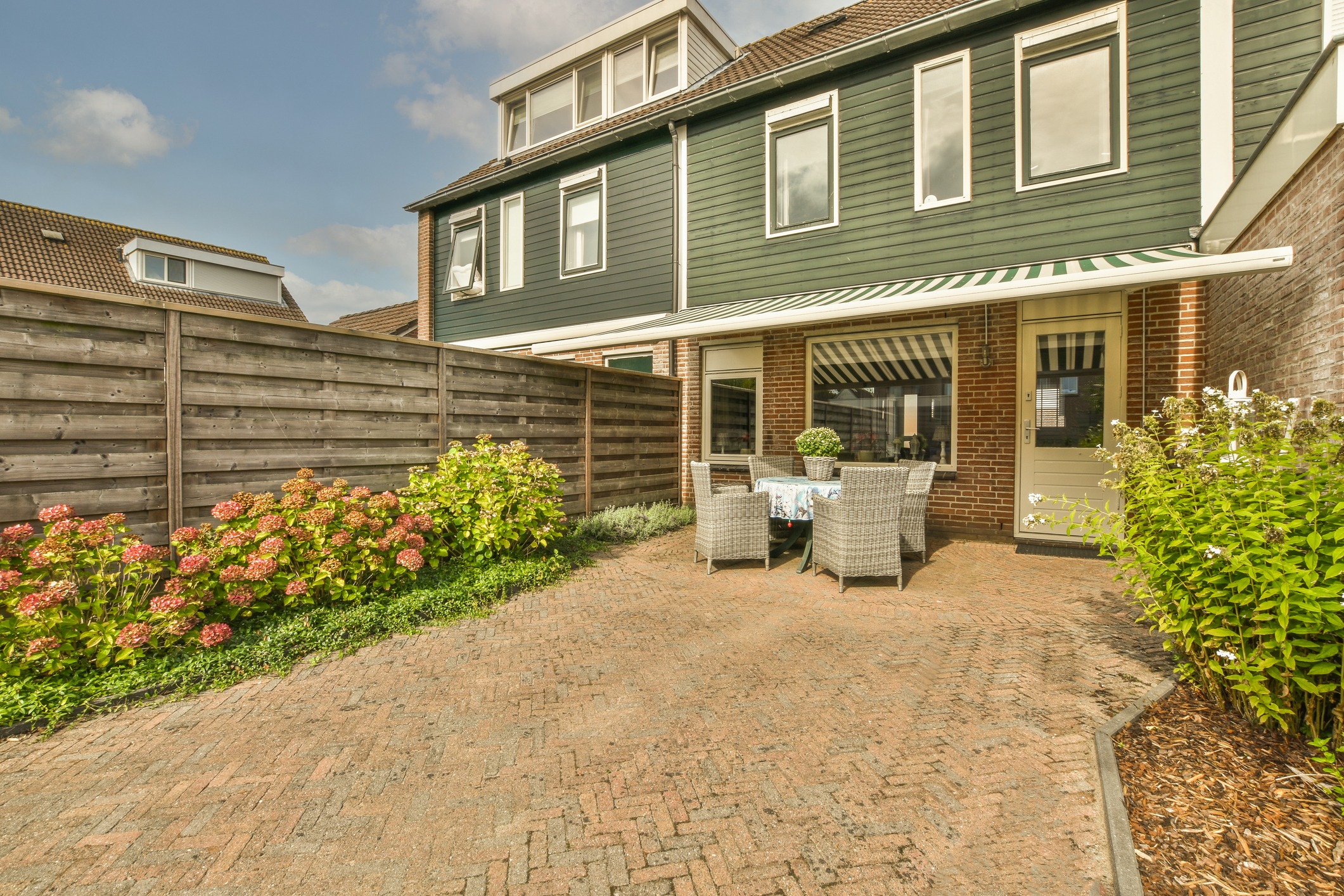
Patios and paths are high‑traffic areas that must endure heavy loads and temperature swings. A poured concrete slab may seem budget‑friendly, but it often cracks when the ground freezes and thaws. Even with control joints, repairs can be expensive. Modular systems are a smarter choice. Concrete pavers and cut stone blocks are laid over compacted gravel so they flex with ground movement, and individual units can be replaced if damaged. These systems rank among the most durable patio materials because they’re designed to move without fracturing.
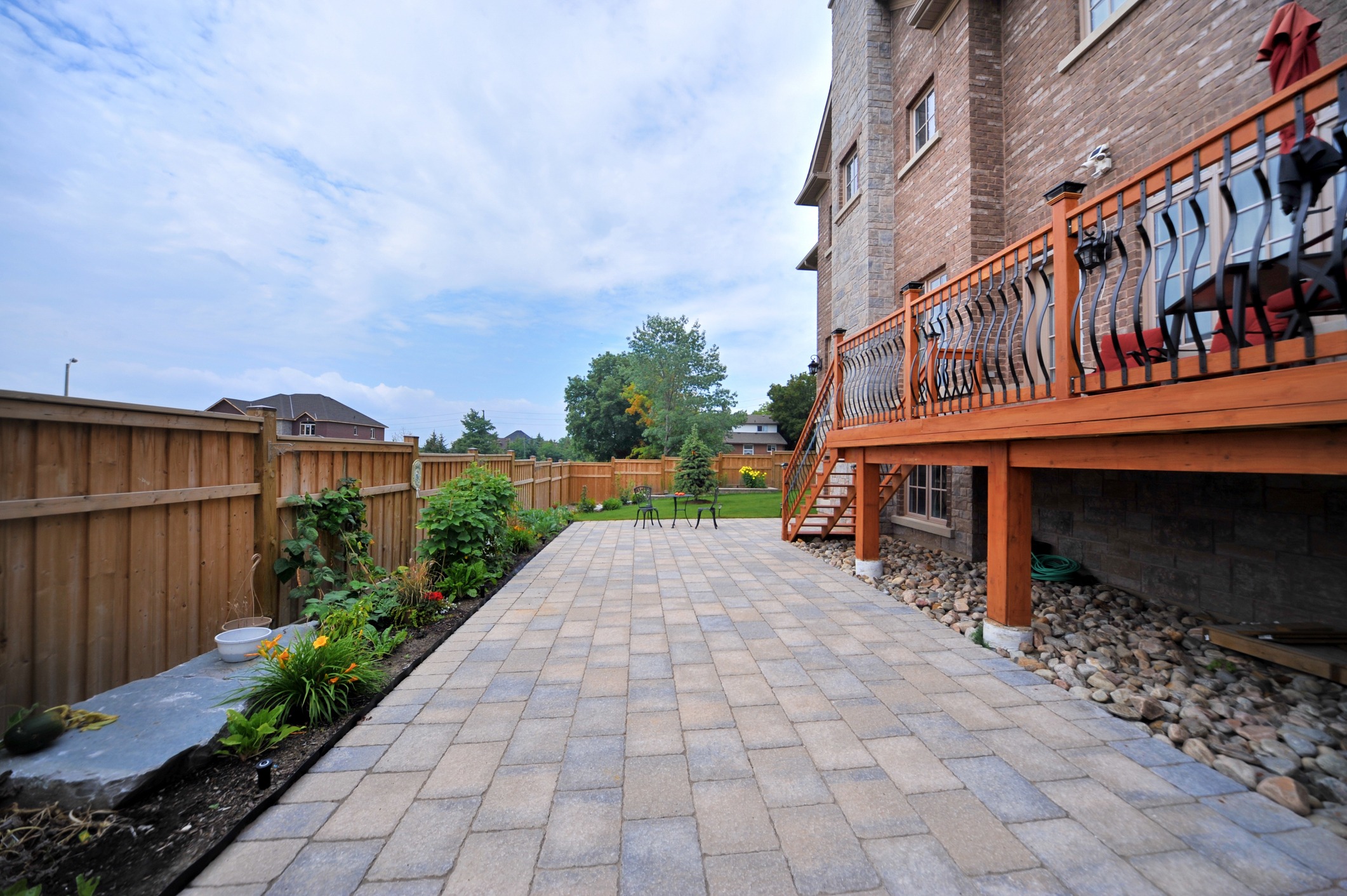
Natural stones like bluestone, granite, and slate are dense and absorb little water, making them some of the best pavers for cold weather. Avoid softer stone that can flake. Start with a well‑compacted base to promote drainage and leave a gentle slope so water runs off instead of pooling. Edge your patio with metal or brick to keep pavers in place. Size the surface generously so chairs don’t crowd the tabl,e and include clear paths to other areas. A solid base and frost‑resistant materials will keep surfaces level and safe year after year.
Which Wall & Border Materials Offer Stability?
For less formal spots elsewhere in the yard, consider gravel or stepping‑stone paths. These permeable surfaces reduce runoff and remain stable during freeze–thaw cycles.
Walls and borders provide structure in the landscape: they hold back soil, define beds and create terraced levels on sloping sites. They must be built from freeze‑resistant materials and installed correctly to prevent leaning or collapsing. Timber walls may be tempting because they’re inexpensive and easy to install, but even pressure‑treated wood decays over time and may leach chemicals into the soil. Stone and concrete options cost more initially but last far longer and require minimal upkeep. Below, we break down your options.
Retaining Wall Options
Interlocking concrete blocks hold soil without mortar. Each unit locks into the one below, forming a wall that flexes slightly with ground movement. These systems need a compacted gravel base and drainage behind the wall to prevent pressure build‑up. For a more natural appearance, dry‑laid stone stacks fieldstone or quarried blocks without mortar. Small gaps allow slight movement during freeze–thaw cycles. Though labour‑intensive, a well‑built stone wall can last decades. On steep slopes, consider professional installation.
Garden Edging Materials
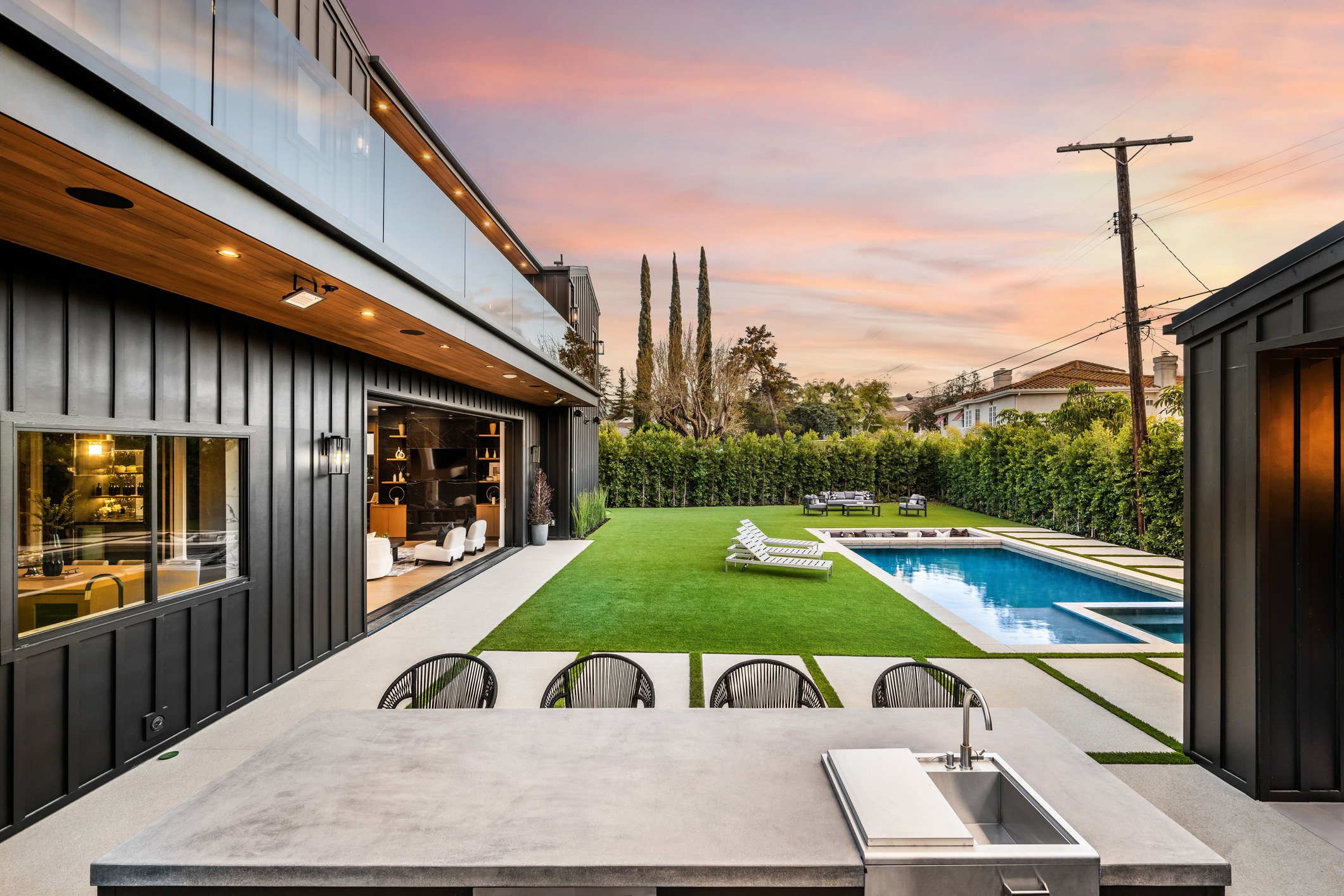
Edging defines lawn boundaries and stops mulch from spilling. Brick or cobblestone offers classic charm and can be set flush or raised. Thin steel or aluminum strips follow curves and resist frost better than plastic. Small boulders or cut blocks lend a rustic feel. Whichever you choose, bury at least half its height and pack soil firmly so it doesn’t heave. Sturdy edging paired with durable patio materials keeps paths and beds tidy.
Freestanding Features
Short walls and raised beds built from stone or block add seating and height. A curved wall around a fire pit provides a permanent perch, while raised planters protect tender plants and create focal points. Even a small stacked bench tucked under a tree invites relaxation. Use the same freeze‑thaw landscaping materials for these features as you do for retaining walls and repeat stone or block throughout the yard for a cohesive look.
What Should You Consider For Decks & Wooden Structures?
Outdoor living structures like decks, pergolas, and arbors offer space for dining, grilling, and lounging, but they must tolerate moisture and temperature extremes. Choosing the right surface and frame materials keeps them safe and attractive.
- Natural Wood: Cedar and pressure‑treated pine offer warmth and affordability but require regular sealing or staining to prevent cracking, warping, and rot.
- Composite And PVC: Composite boards blend recycled plastic and wood fibers for a wood‑like look with minimal maintenance. PVC absorbs no moisture, making these materials ideal for poolside or high‑use decks.
- Frame And Hardware: Use pressure‑treated joists, beams and posts rated for ground contact, and fasten them with corrosion‑resistant screws. Ensure airflow under the deck so boards dry quickly.
- Shade And Comfort: Pergolas, shade sails or large umbrellas protect your deck and guests from intense sun. Built‑in benches maximize seating without cluttering the space.
- Maintenance Tips: Sweep debris regularly and clean spills quickly to avoid staining. Re‑seal wood surfaces every few years, and wash composite boards annually with a soft brush and mild soap. Check fasteners for corrosion each spring and replace damaged boards promptly so small issues don’t turn into big repairs.
Which Ground Covers & Mulches Resist Harsh Weather?
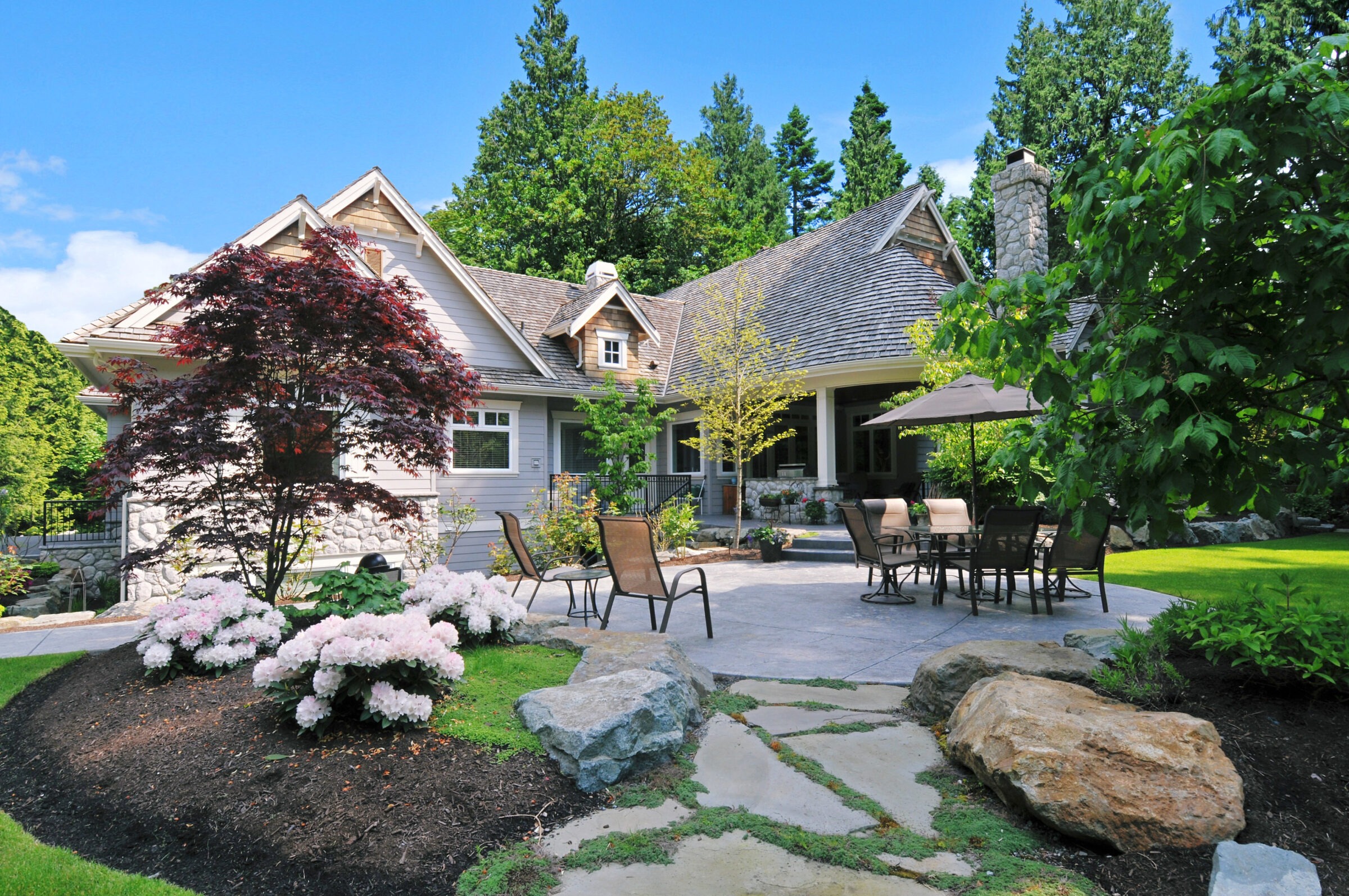
Ground covers and mulches reduce weeds, keep moisture in and protect soil from temperature swings. For Midwest climate landscaping, choose options that don’t wash away or break down too quickly. Inorganic materials like river rock, pea gravel and crushed stone are extremely durable and can be raked back into place after storms. They suit pathways, seating areas and beds with drought‑tolerant shrubs, but stones hold heat and add no nutrients, so avoid them around delicate plants.
Organic mulches like shredded bark, wood chips, or compost all decompose slowly and feed the soil. Heavier chips stay put better than fine bark. Spread organic mulch two to three inches deep and top it up annually. In areas prone to washouts, install edging or a biodegradable mat first. Many gardeners combine stone mulch in permanent borders with organic mulch in plant‑heavy areas to balance durability with soil health.
How Do Plants & Turf Thrive Through Winter?
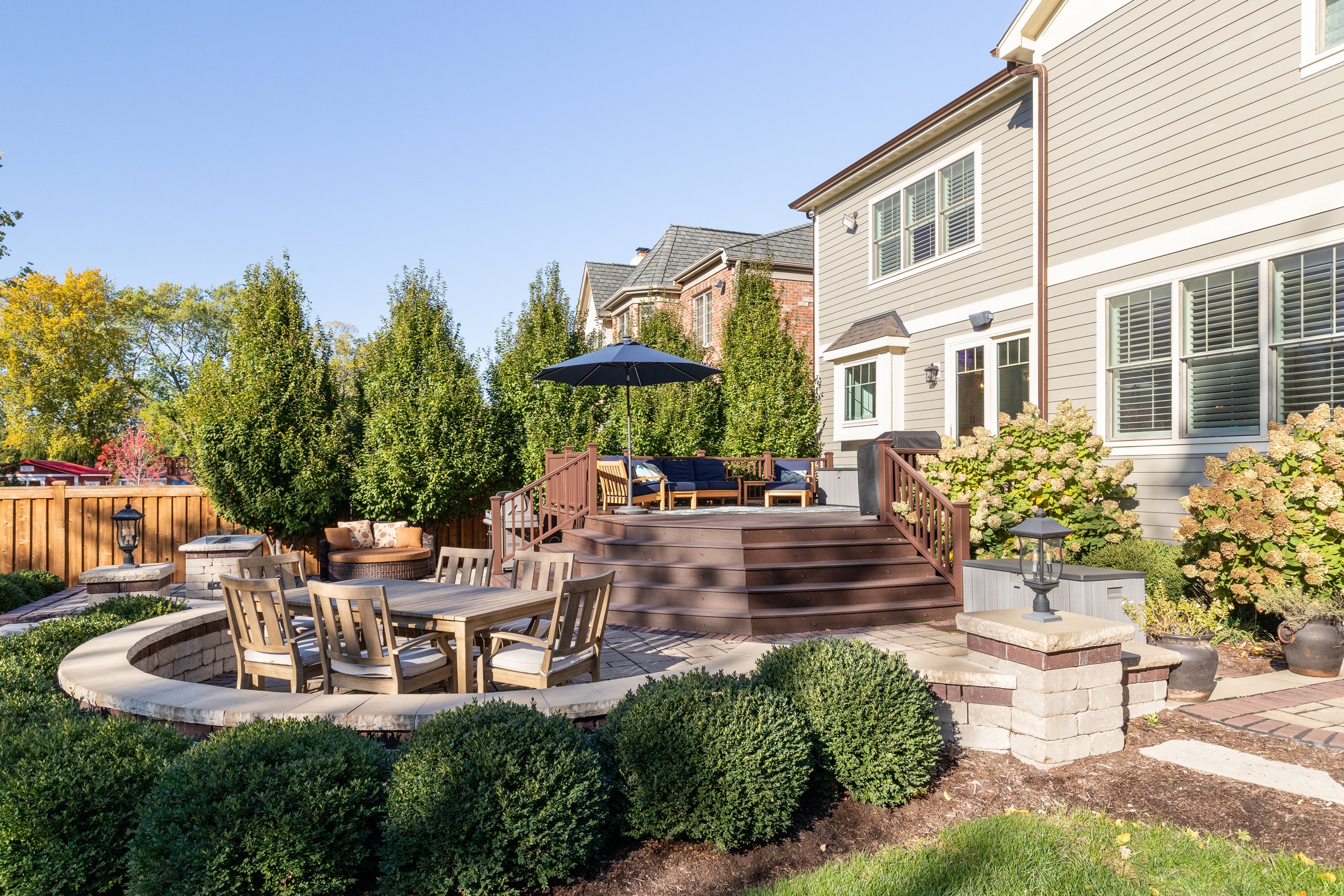
Whichever mulch you choose, ensure it’s heavy enough to resist wind and the freeze–thaw cycles of Midwest winters.
Selecting resilient vegetation ensures your landscape stays lush year after year. Certain plants and grasses are better suited to cold climates and will provide color and texture even after frost. Start with an assortment of perennials, shrubs and turf grasses that are hardy in your zone.
Perennials & Flowers
- Choose hardy perennials such as sedum, peonies and coneflowers. These plants handle drought, heat and cold, die back in winter and return in spring.
- Mixing species like daylilies, asters and black‑eyed Susans extends the bloom period and supports pollinators.
Shrubs & Trees
- Evergreens such as boxwood, juniper and arborvitae provide structure and shelter wildlife year‑round, while maples or birches offer shade and brilliant fall color. Always select species rated for your USDA zone.
Tough Turf Mixes
- Combine cool‑season grasses such as Kentucky bluegrass, tall fescue and perennial ryegrass. Each species offers density, drought tolerance or quick germination, and together they form a durable lawn. Fertilize in autumn, aerate compacted soil and overseed thin areas each year to keep turf resilient.
What Finishing Touches Enhance Durability & Comfort?
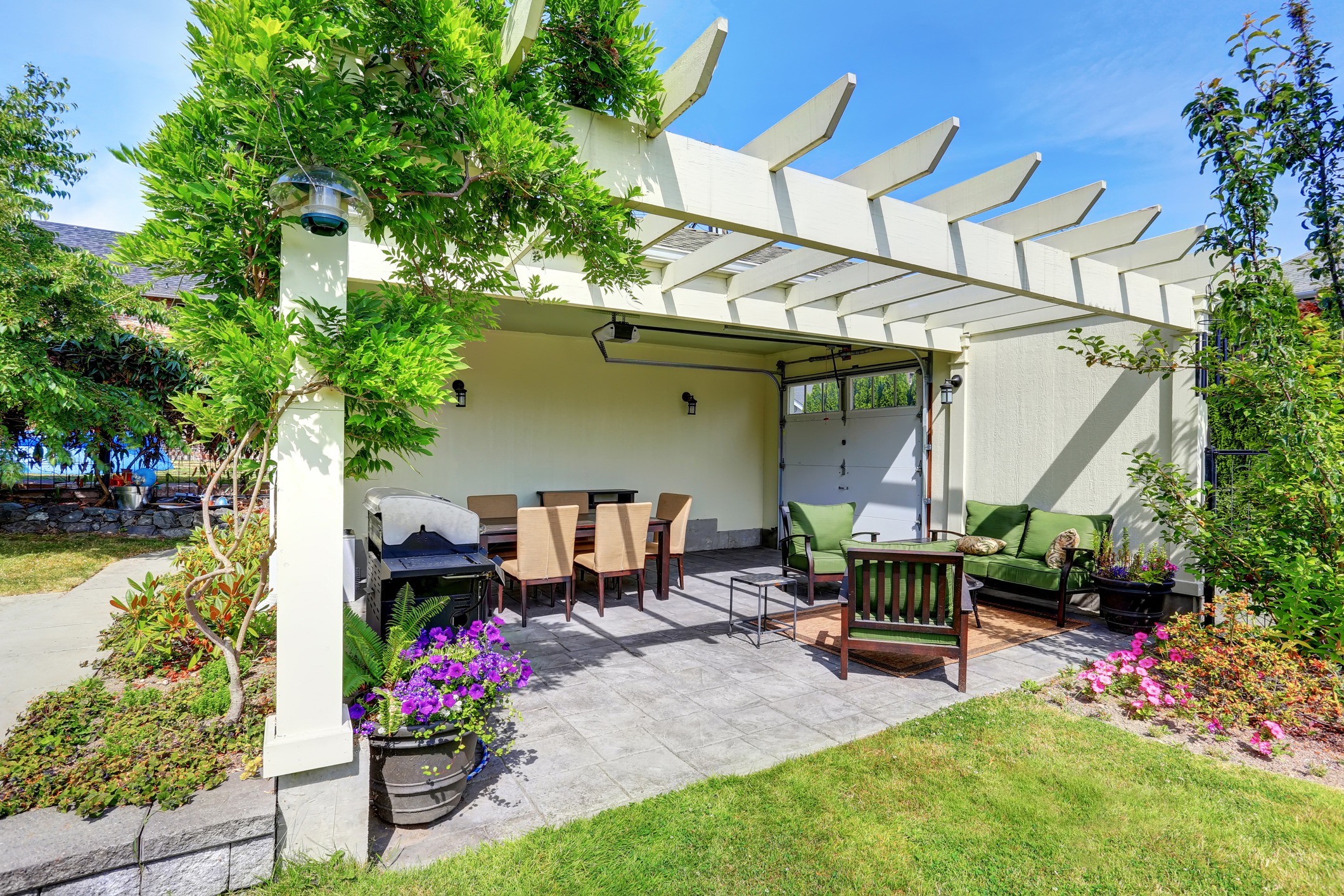
After building the bones of your landscape, finishing touches add ambiance and convenience. Choose materials that complement your landscaping materials, Midwest selections and withstand the same weather challenges. Below are a few elements to consider.
Lighting Choices
Outdoor lighting extends the use of your yard after sunset and makes paths safer. Low‑voltage LED systems are efficient: line walkways with path lights and highlight features with spotlights. String lights add a festive glow, while solar fixtures work only in sunny spots. Choose rust‑resistant housings rated for exterior use.
Furniture & Materials
Choose seating and tables that handle moisture and temperature swings. Teak and other dense hardwoods resist rot and insects when oiled; aluminum is lightweight and rust‑free. Composite or recycled plastic pieces mimic painted wood but never splinter. Use cushions made from water‑repellent, mildew‑resistant fabrics and select pieces heavy enough to stay put in wind.
Shade & Privacy Solutions
Shade structures protect you and your materials from intense sun. Pergolas with canopies or climbing vines filter sunlight; shade sails and umbrellas provide flexible coverage. For privacy, lattice panels with vines, evergreen hedges or composite fences create secluded nooks and reduce wind without closing off the yard.
Why Trust Willow River Company With Your Midwest Landscape?
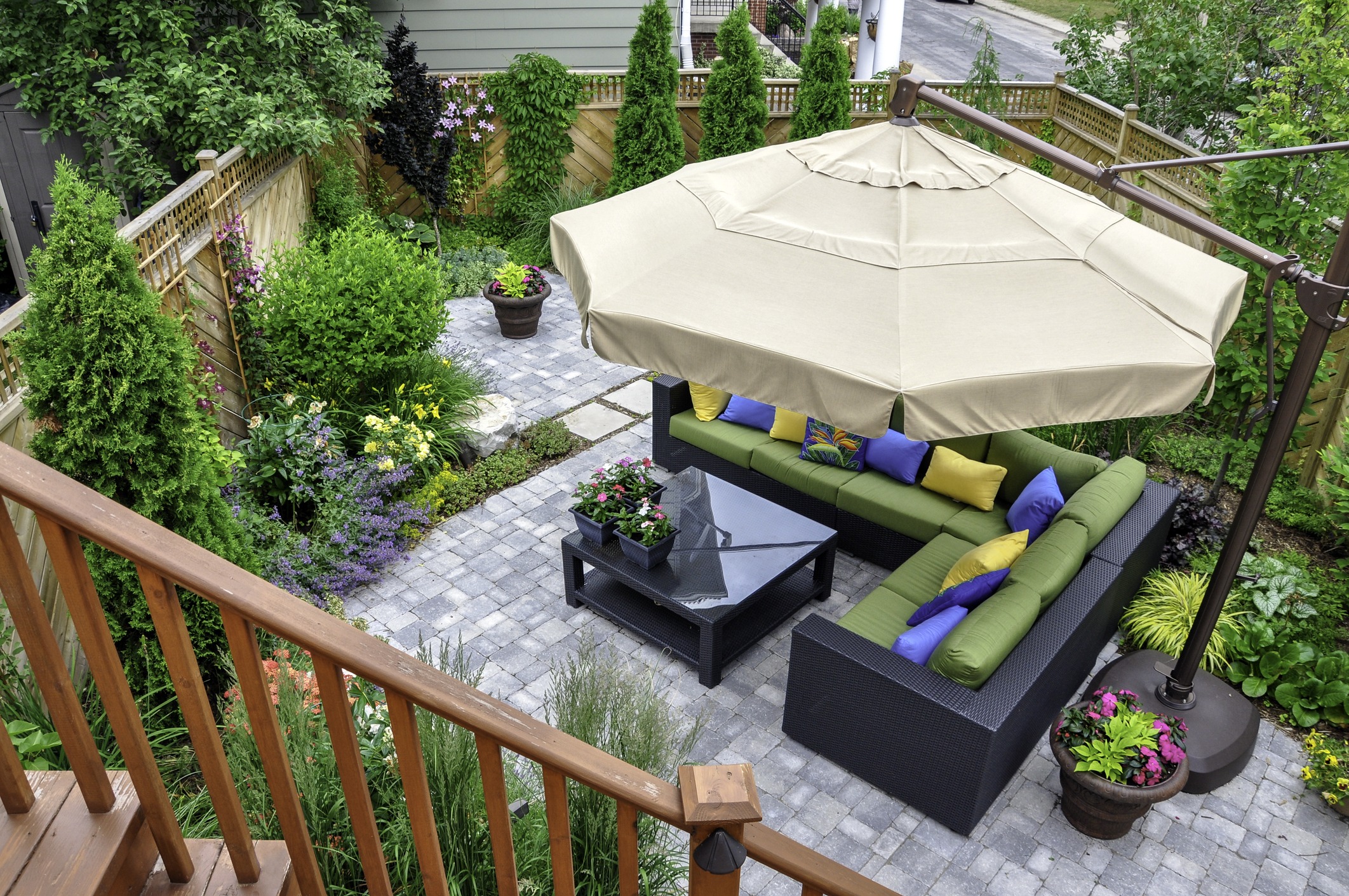
Store cushions and umbrellas during winter to prolong their life, and clean fixtures periodically to prevent build‑up.
At Willow River Company, we specialize in crafting outdoor spaces that survive the Midwest’s extremes. Our certified team stays current on materials and techniques through ongoing education, so we can recommend the landscaping materials that Midwest homeowners need and install them correctly.
We offer an umbrella of services, such as design, excavation, hardscaping, planting and lighting, so you don’t have to juggle multiple contractors. Uniformed crews arrive on time in marked trucks, maintain clean sites and keep you informed. These practices ensure projects stay on schedule and give you peace of mind.
As a family‑run business, honesty and fairness guide us. We build landscapes that last, not quick fixes.
If you’re ready to invest in durable materials and want a team that stands behind its work, request a quote, and let us create a yard that endures.
Summary
For a lasting Midwest yard, choose freeze‑resistant materials and install them on proper bases. Modular pavers and dense stone prevent cracked patios, while stone or block walls hold back soil better than timber. Cedar, composite and PVC provide deck options from natural beauty to low maintenance. Combine durable inorganic mulch in permanent beds with heavier organic mulch around plants. Select cold‑hardy perennials, shrubs and turf for year‑round color. Add weather‑rated lighting, durable furniture, and shade and privacy structures for comfort. Willow River Company can guide you through these choices to build a landscape that thrives through heat, rain and snow.
Tags: