
Sustainable Landscaping Ideas for Eco-Friendly Yards (Hudson & St. Croix Valley)
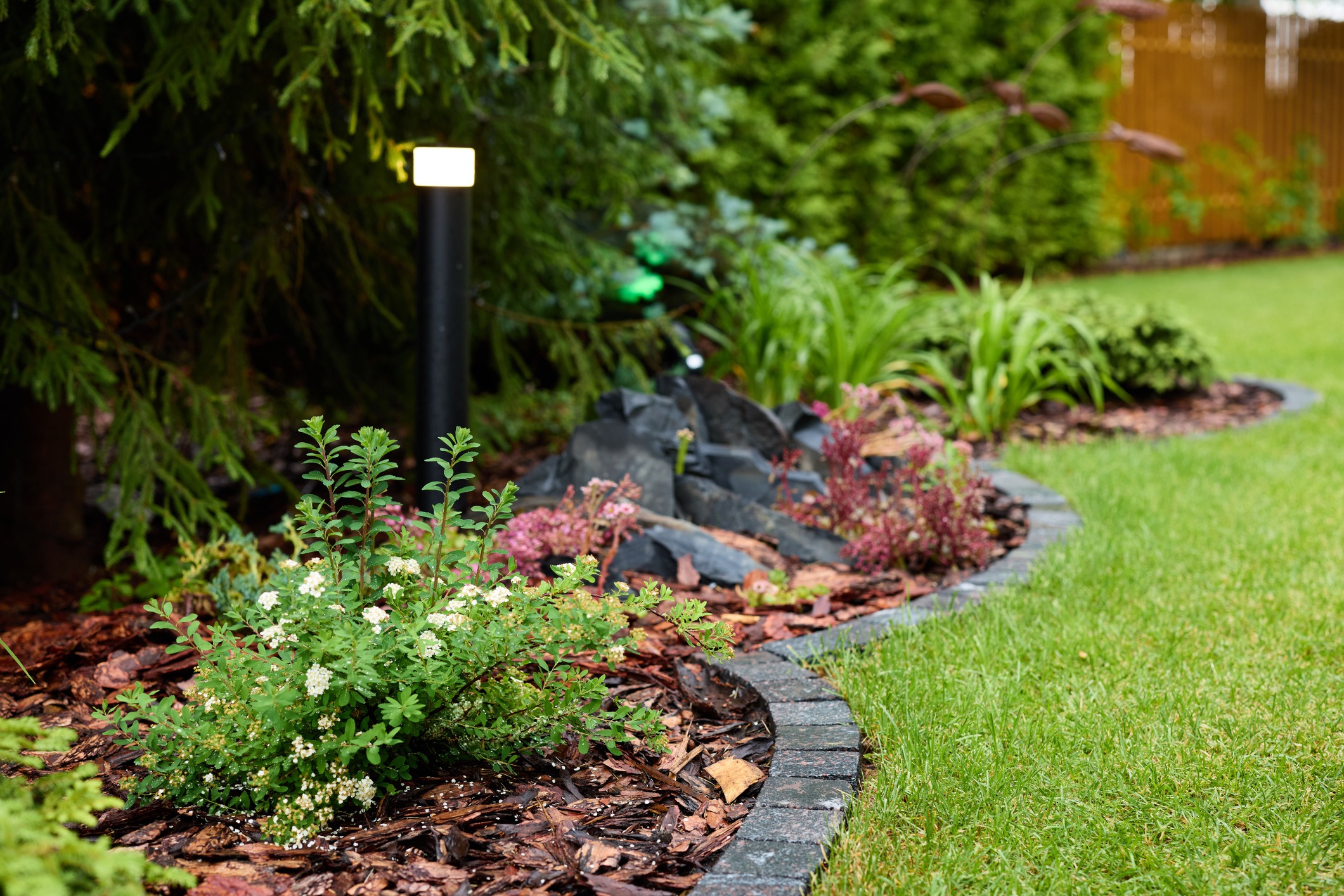
Living in the Hudson and St. Croix Valley, you want an inviting yard, yet many landscapes feel like endless chores: thirsty lawns, constant mowing, and little wildlife. It can feel discouraging when your effort seems wasted and local rivers suffer from runoff. Fortunately, there are practical ways to restore harmony.
In this guide we’ll explore sustainable landscaping ideas, from planting rain gardens to selecting pollinator‑friendly native plants, installing permeable surfaces and composting, that conserve water and nurture wildlife while saving time. You’ll learn how small, water‑wise changes can turn your outdoor space into a thriving, low‑maintenance habitat you love.
Why Adopt Eco‑Friendly Yard Design?
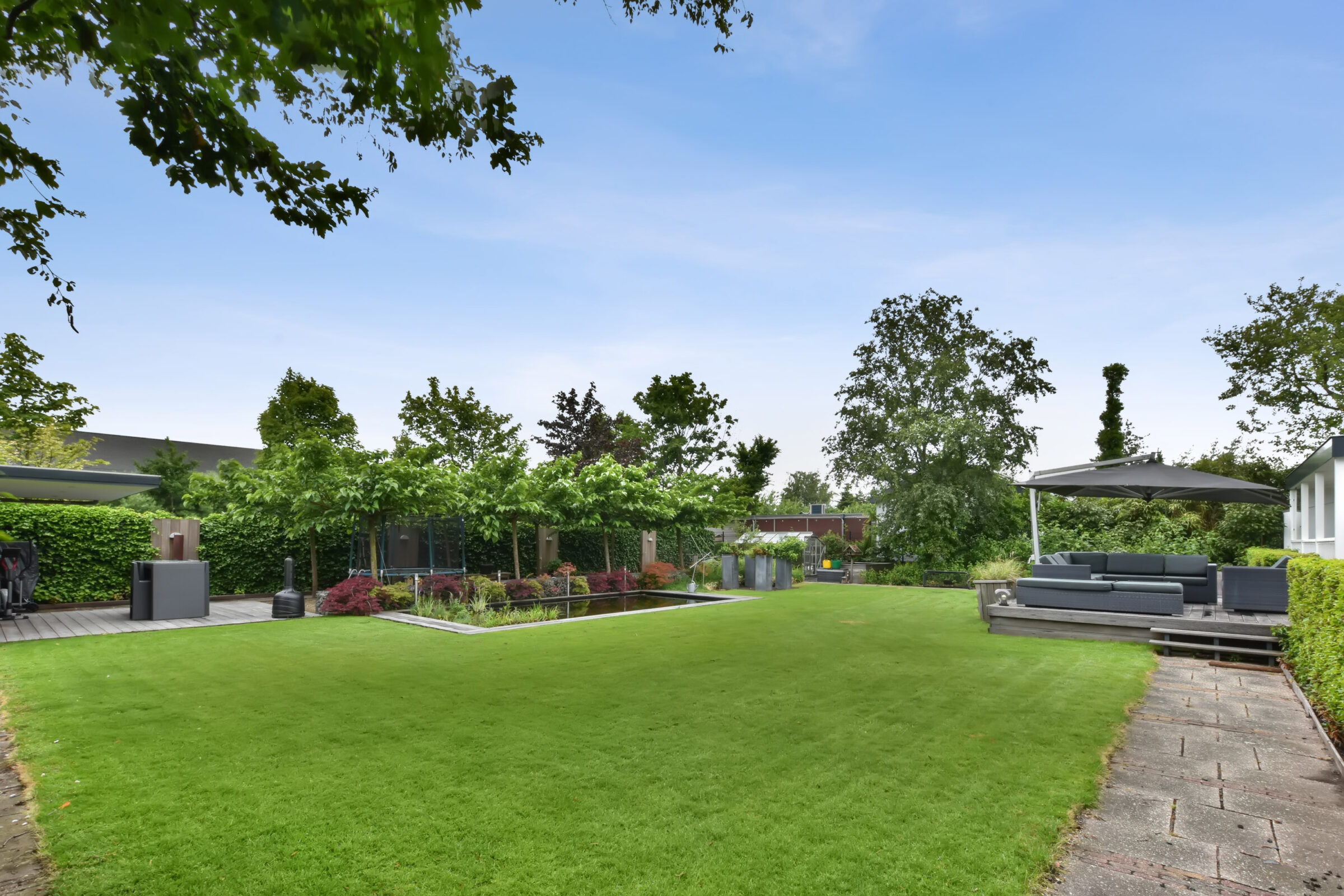
Conventional lawns demand generous amounts of water, chemical fertilizers and pesticides while offering little benefit to local ecosystems. A more eco‑friendly yard design lowers the need for mowing and irrigation while supporting wildlife. Adopting sustainable landscaping ideas helps you conserve resources, create habitat and reduce pollution. These choices protect the St. Croix River and benefit your family and neighbors.
Reduced Water Use
Turfgrass lawns require large volumes of water. By reducing lawn areas and planting drought‑resistant species, you can cut water usage dramatically. Many sustainable landscaping ideas, such as installing rain gardens or using native plants, rely on natural precipitation and deeper roots to hold moisture. Less irrigation conserves water and lowers your utility bills.
Support for Wildlife & the Environment
Lawns provide little habitat for birds or insects. Native plants support the entire food web by offering food and shelter for insects, birds and other small animals. Native plants used in a rain garden also help filter pollutants and reduce flooding. When you implement sustainable landscaping ideas that include diverse plantings and natural features, your yard becomes a vibrant habitat with butterflies on milkweed, bees buzzing on bee balm and songbirds feasting on seeds. Pollinator gardens bring beauty and help maintain healthy ecosystems.
Lower Maintenance & Costs
An eco‑friendly yard is often less demanding than a manicured lawn. Once established, native plants and water‑wise gardens require little fertilizer or mowing because they thrive in local conditions. By choosing sustainable landscaping ideas such as permeable patios and composting, you reduce yard waste and need fewer chemical products. Over time you’ll spend less time trimming grass and more time enjoying your outdoor space.
How to Plant a Water Conservation Garden or Rain Garden?

A rain garden, sometimes called a water conservation garden, is a shallow depression planted with vegetation that captures rainwater runoff from roofs or driveways. Rain gardens capture significantly more water than a conventional lawn and filter pollutants from stormwater. Installing a rain garden is a rewarding way to embrace sustainable landscaping ideas while enhancing the beauty of your yard.
Picking the Site
Begin by choosing a location away from existing low‑lying areas and at least ten feet from your house. Place the garden to catch runoff from downspouts or gently sloping lawns. A level or gently sloped site encourages water to soak in rather than run off.
Choosing Plants for Rain Gardens
Use hardy natives that tolerate both flooding and dry spells. In the Hudson and St. Croix Valley region, consider:
- Swamp milkweed (Asclepias incarnata): attracts monarch butterflies and tolerates wet soils.
- Joe‑Pye weed (Eutrochium purpureum): produces tall pink flower clusters that attract pollinators.
- Native sedges and rushes: such as tussock sedge or blue flag iris, which provide structure and drainage.
Group plants with similar moisture needs together to help them thrive.
Building & Caring for the Rain Garden
Dig a shallow basin with sloping sides and use the removed soil to build a berm on the downhill side to retain water. After planting, mulch the bed to conserve moisture and suppress weeds. During the first season, water the garden occasionally until roots establish. With time, the rain garden will require minimal upkeep. Leave seed heads through winter for birds and cut back dead growth in spring.
Why Use Native & Pollinator‑Friendly Plants in Hudson WI Sustainable Landscaping?
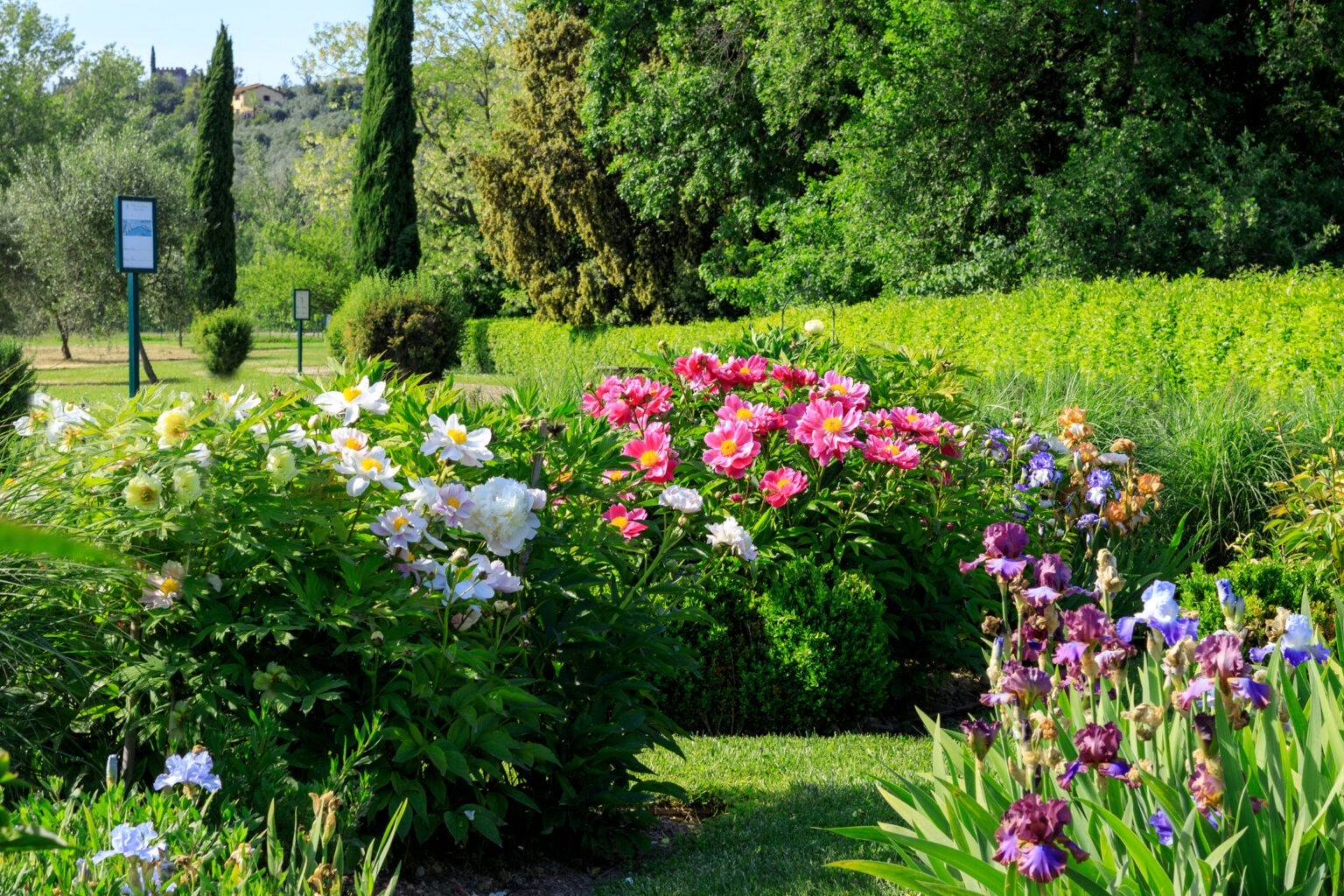
Native species evolved alongside local climate, soils and wildlife, making them ideal for the unique conditions of Hudson and the St. Croix Valley. They require less watering and fertilizer, resist many pests and diseases, and provide essential habitat for wildlife. When planning your yard, focusing on pollinator‑friendly plants brings life and movement to your property while supporting the broader environment.
Native plants support insects, birds and other creatures across the food web. They capture rainwater and filter pollutants in rain gardens better than many non‑native plants. Because they are adapted to local weather patterns, they thrive without extra watering or fertilizers. In summer heat and winter cold, these plants remain resilient. Using them as part of your sustainable landscaping ideas lowers maintenance and fosters ecological balance.
Top Pollinator‑Friendly Plants
Consider incorporating these into your Hudson WI sustainable landscaping plans:
- Milkweeds (Asclepias spp.) — support monarch butterflies and provide nectar for bees and hummingbirds.
- Purple coneflower (Echinacea purpurea) — its long bloom period and vibrant colors attract bees and birds.
- Bee balm (Monarda didyma) — tubular flowers rich in nectar for hummingbirds and butterflies.
- Blazing star (Liatris spicata) — showy flower spikes that draw butterflies.
A mix of species that bloom at different times ensures food sources throughout the growing season and fosters biodiversity.
How Do Permeable Surfaces Help St. Croix Valley Landscaping?
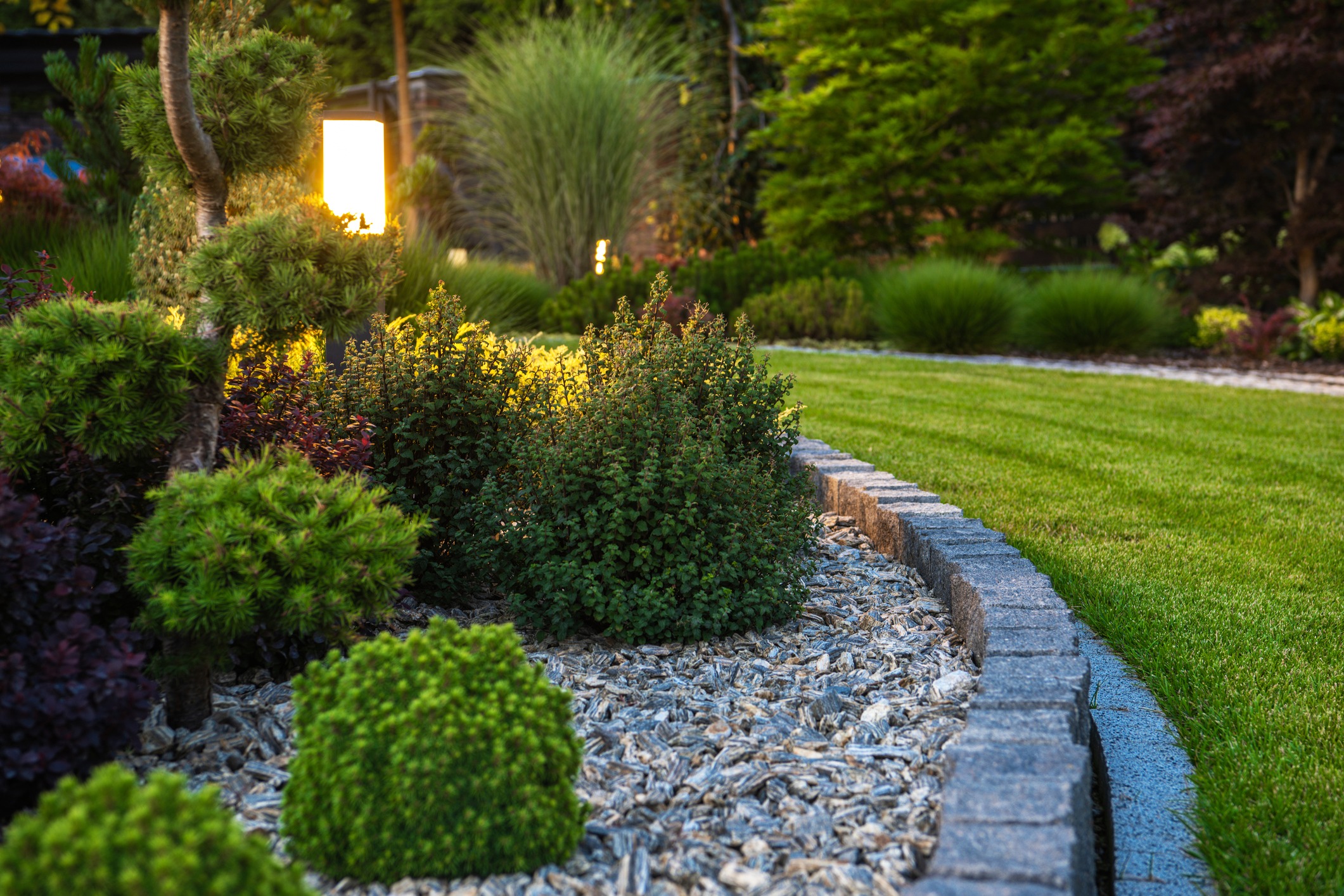
Hard surfaces such as driveways, patios and paths often prevent rainwater from soaking into the soil. In the St. Croix Valley, where protecting rivers from runoff is important, permeable surfaces offer a practical solution. Sustainable landscaping ideas that include permeable patios and walkways reduce runoff, filter pollutants, and contribute to healthier rivers.
Permeable patios and walkways allow rain to soak into the soil instead of running off. Materials such as permeable pavers, flagstone on sand or gravel paths suit a variety of landscape styles and stay cooler than concrete or asphalt. By preventing puddles and standing water, they reduce mosquito breeding, minimise ice build‑up and decrease the need for road salt. They also filter pollutants and reduce runoff, protecting rivers and making them a valuable part of sustainable landscaping ideas.
How to Compost & Reuse Yard Waste Sustainably?
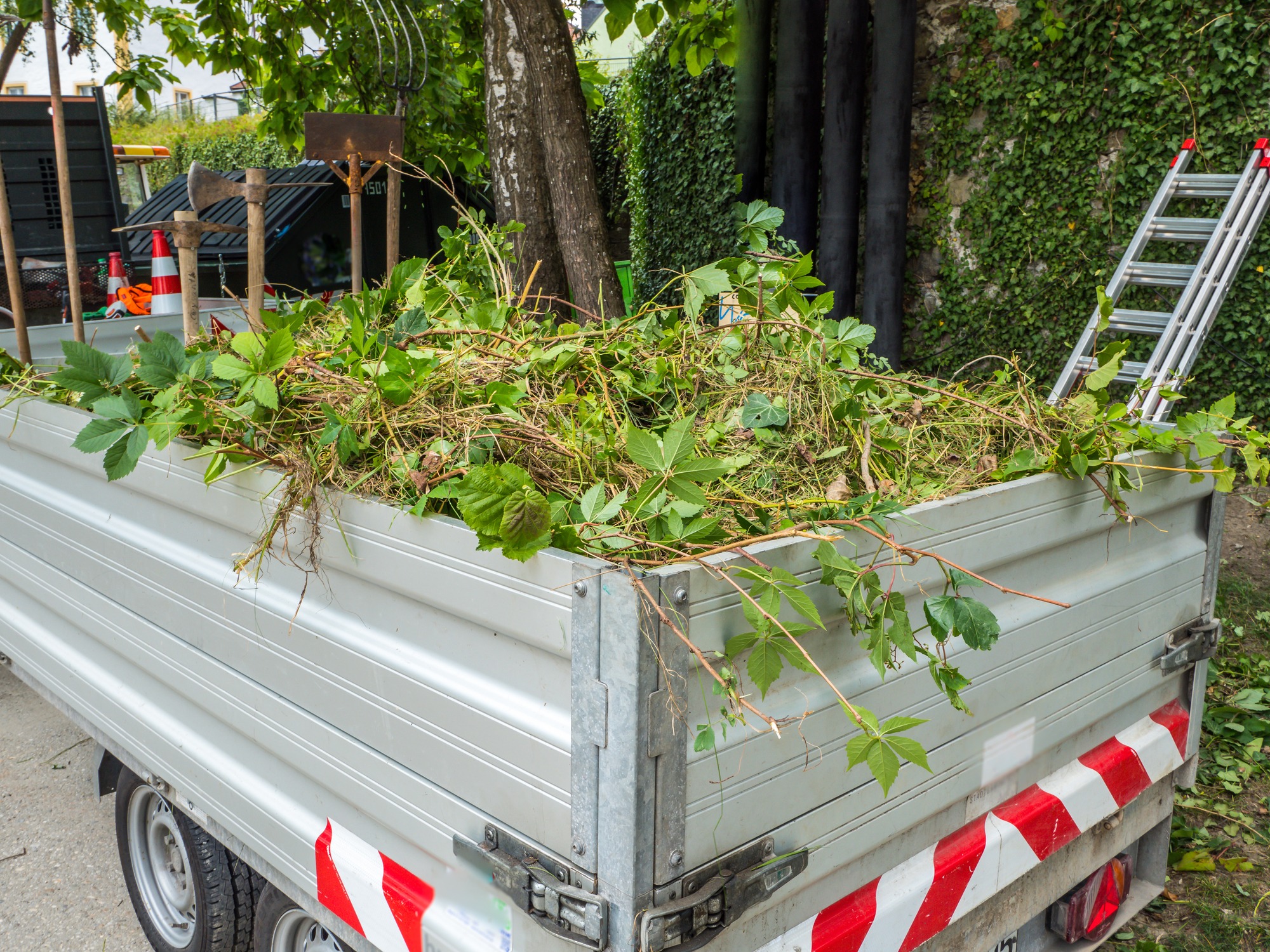
Composting turns kitchen scraps, leaves and yard trimmings into nutrient‑rich soil. It reduces waste and supports soil health. A compost system can be a bin or a simple heap. Layer green materials like vegetable peels and grass clippings with brown materials such as dried leaves, straw or shredded paper.
Keep the pile moist and turn it occasionally to provide oxygen, and avoid meat, dairy and oily foods to keep pests away. Over time microorganisms break down these materials into free compost that builds healthier soil and improves plant growth. Adding a compost bin closes the loop on organic waste and is an important part of sustainable landscaping ideas.
What Are the Best Water‑Wise Techniques for Gardens?
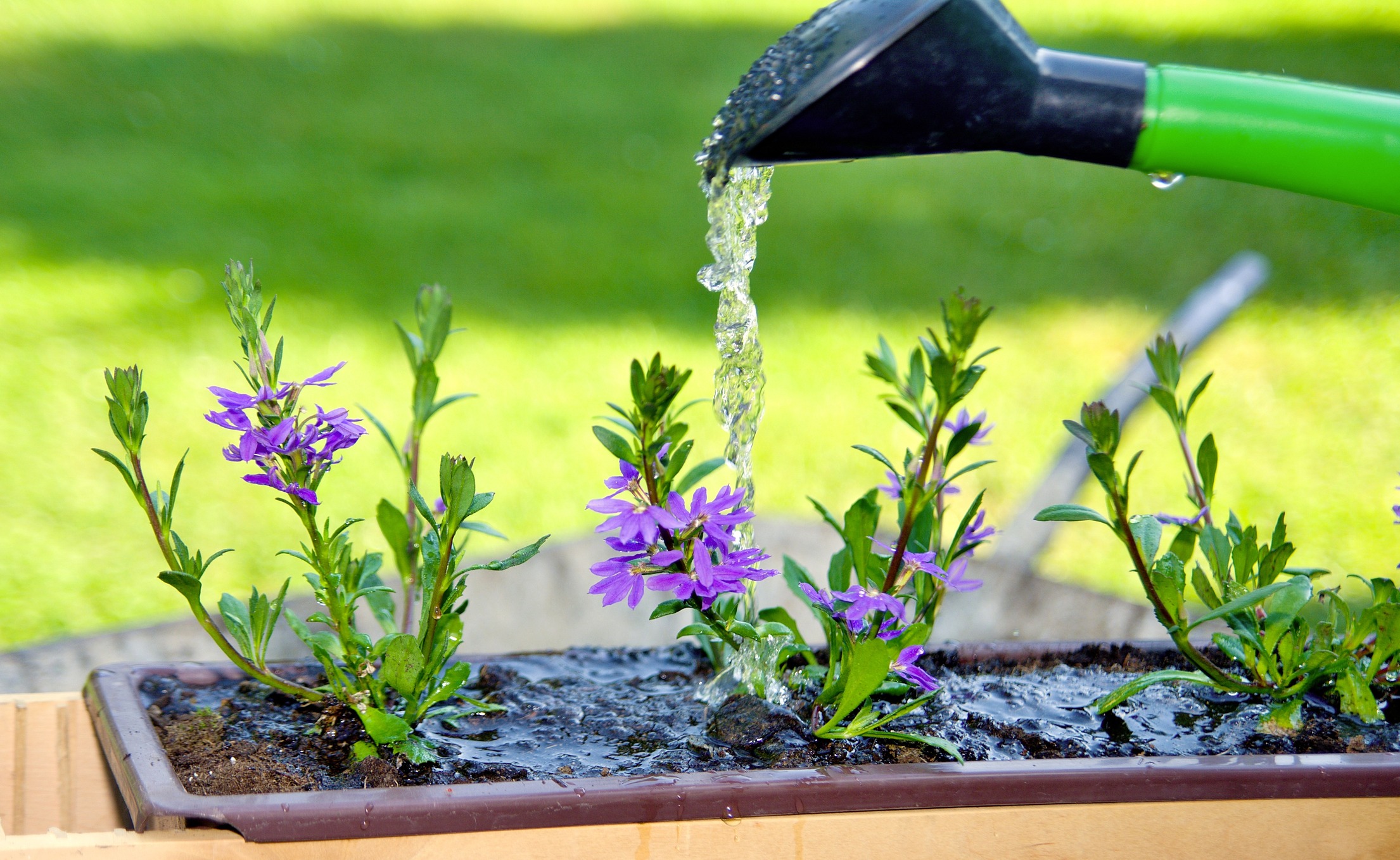
Water conservation is a central part of a resilient landscape. Hudson and St. Croix Valley residents experience wet springs and sometimes dry summers, so collecting and using rainwater wisely helps maintain healthy gardens without straining municipal supplies.
Collect roof runoff with a rain barrel and reuse it on lawns and flower beds. Use drip irrigation or soaker hoses to deliver water directly to plant roots and pair your watering system with timers or smart controllers. Schedule watering in the early morning or evening to reduce evaporation. These water‑wise techniques are key to sustainable landscaping ideas.
- Place a rain barrel under a downspout to store rainwater for later.
- Install drip irrigation or soaker hoses to water plants efficiently.
- Water early in the day or late evening to reduce evaporation.
- Use timers or smart controllers to automate watering schedules.
Why Consider a Smaller Lawn & Organic Care?

Lawns are culturally popular, yet they require frequent mowing, fertilizer and irrigation. A more natural approach reduces resource use and supports biodiversity. Shrinking your lawn and managing it organically are powerful steps that enhance both beauty and resilience.
Creating Meadows & Natural Spaces
Conventional lawns consume water and chemicals while offering little for wildlife. Replace portions of turf with native grasses and wildflowers to create a mini meadow. Even a small patch provides nectar for pollinators, seeds for birds and shelter for small animals and requires minimal care. This shift toward more natural spaces is one of the most rewarding sustainable landscaping ideas.
Caring for Your Remaining Lawn
For the area that remains lawn, manage it sustainably. Use electric or push mowers to minimise emissions, allow clover and other low‑water species to mingle with the grass and feed with compost rather than synthetic fertilizers. These practices reduce watering and mowing needs while maintaining a functional lawn area and reflect your commitment to sustainable landscaping ideas.
Cultivate an Eco‑Friendly Yard Today

Willow River Company helps homeowners across Hudson and St. Croix Valley bring sustainable landscaping ideas to life without the headache of juggling multiple contractors. You get a single, dependable partner who handles everything from planning and design to installation and ongoing care. Our certified landscape contractors, horticulturists, arborists, irrigation technicians and designers stay current through continuous education. We believe in honest communication and value your time, so we show up on schedule with uniformed crews and marked trucks and keep you informed every step of the way.
Creating a water‑smart, pollinator‑friendly yard is easier when you have experts on your side. Willow River Company will help you enhance your outdoor space with rain gardens, native plantings, permeable surfaces, composting systems and more.
If you’re ready to enjoy a beautiful yard that aligns with your values, request a quote today and let Willow River Company guide you through every step of your sustainable landscaping project.
Summary
Landscaping in the Hudson and St. Croix Valley can be beautiful and eco‑friendly. Traditional lawns use water and chemicals and offer little to wildlife, while sustainable landscaping ideas promote rain gardens, native plants, permeable surfaces and composting to enrich soil. Harvest rainwater, install drip irrigation and reduce lawn size to create meadows buzzing with life. These approaches help homeowners conserve water, cut maintenance and costs and protect local rivers and wildlife. Whether you install a rain garden, lay permeable pavers or start a compost pile, these sustainable landscaping ideas guide you toward a greener yard.
Tags: